


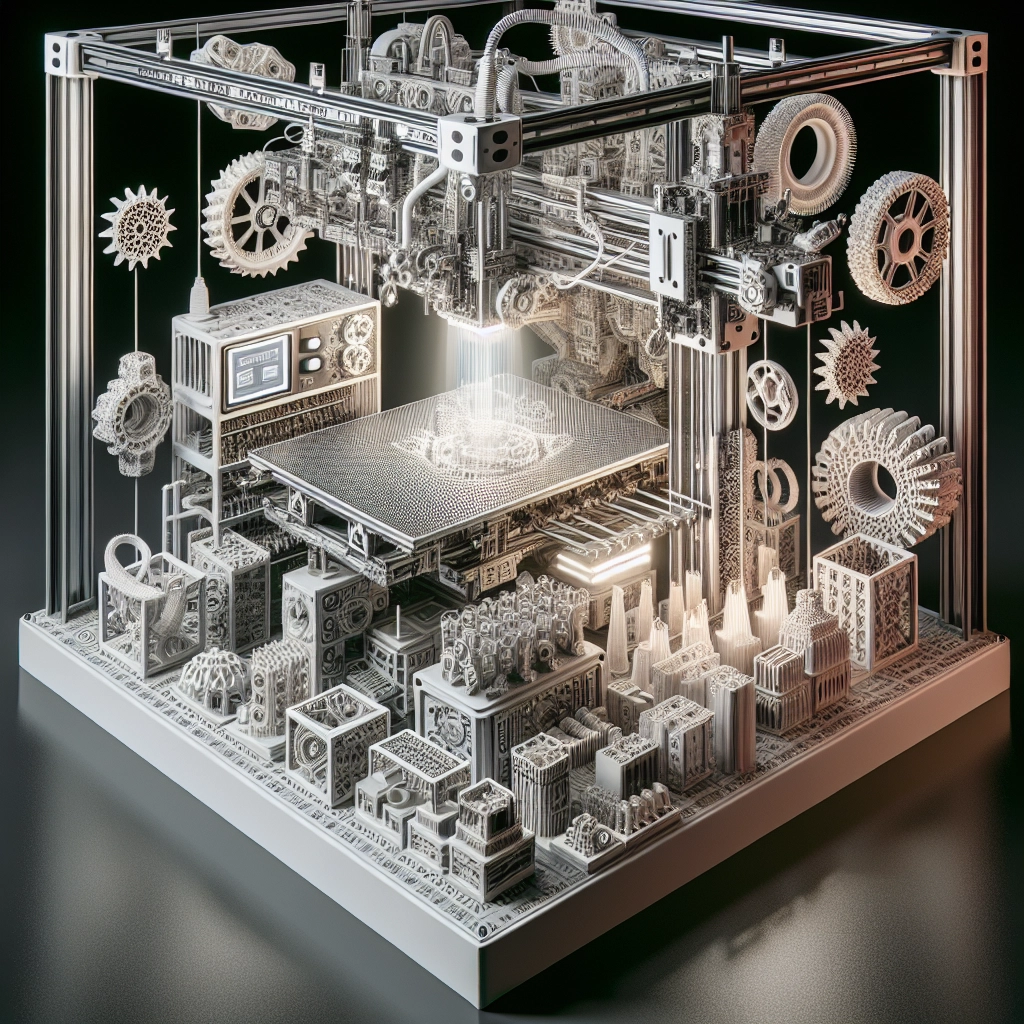
Maximizing Your 3D Printer’s Potential: Advanced Techniques and Tips
From the moment those first layers of filament hit the print bed, 3D printing opens up a world of creativity and innovation. Whether you’re a hobbyist tinkering in your garage or a professional designer pushing the boundaries of manufacturing, harnessing advanced techniques can truly amplify the capabilities of your 3D printer. Let’s explore some exciting strategies and tips that can elevate your printing game.
Tune Up Your Settings
If you want to unlock the full potential of your 3D printer, but haven’t fiddled with the settings yet—now’s the time! Each printer operates slightly differently, but adjusting key parameters like print speed, temperature, layer height, and infill density can yield vastly improved results.
For instance, reducing the layer height can make your final print smoother and more detailed, although it will increase print time. Conversely, if you’re working on a prototype, higher layer heights and quicker speeds can help you iterate faster. Don’t be afraid to experiment; it often comes down to trial and error!
Get Smarter with Slicing
The slicing software you choose can be a game changer. While many users stick to the default settings, diving deeper into your slicer can unveil features that improve performance and finish. For example, enabling supports or experimenting with different support structures can enhance how your product carries weight and reduces the risk of breakage.
Multi-material printing is another great feature offered by some advanced slicers. If you have a printer that supports dual extrusion, playing with different materials—like flexible filaments for movable parts and rigid materials for structural components—can give your designs a new level of complexity and functionality.
Optimize Your Filament Choices
Not all filaments are created equal! The material you choose can make a huge difference in the durability and aesthetic of your prints. Common filaments like PLA are great for beginners, but exploring the abundance of available options can lead to stunning results.
For stronger, more durable prints, consider trying PETG or even Nylon. Eco-friendly filaments made from recycled materials are also worth a try if you’re looking to reduce your carbon footprint. Each material has its nuances in terms of temperature, print speed, and nozzle size, so ensure that you tailor your print settings accordingly.
Calibrate Regularly
Calibration might feel tedious, but it’s a crucial step you shouldn’t overlook. A well-calibrated printer is essential for producing high-quality prints. Regularly check your bed leveling, ensure your extruder is properly calibrated, and keep an eye on the temperature for consistent results.
One simple yet effective way to check your printer’s accuracy is by printing a test object, like a small cube or cylinder, and measuring dimensions after it’s done. Make adjustments as needed, and soon your printer will be hitting those specs perfectly.
Experiment with Advanced Printing Techniques
Ready for a bit of a challenge? Try your hand at advanced printing methods such as resin printing, which offers incredibly high detail and resolution. Learn about multi-material prints or even modified processes like Carbon3D’s Continuous Liquid Interface Production (CLIP) for fast, high-quality output.
You can also dive into the world of post-processing. Adding sanding, painting, or sealing can significantly transform your print from a rough prototype into something you’d proudly display.
Create a Collaborative Network
Lastly, don’t underestimate the power of community. Joining a 3D printing group, whether online or in person, can expose you to tips and tricks you may never have thought of. Many enthusiasts are more than willing to share their experiences and secrets, plus it’s a fantastic way to garner inspiration for new projects.
One of the beauties of 3D printing is its accessibility, but sharing knowledge and techniques with others not only enhances your own skills but also fosters a culture of creativity and innovation within the community.
Embrace Continuous Learning
3D printing is a constantly evolving field, with new materials, techniques, and technologies emerging all the time. Staying updated on the latest trends, attending workshops, or even just watching tutorial videos online can help you absorb fresh ideas and techniques.
As you journey deeper into the world of 3D printing, don’t forget that experimenting is key! Pushing your printer’s boundaries might lead to failures occasionally, but each setback is an opportunity to learn something new.
From tweaking your prints to embracing community and constant learning, there’s always a new level waiting to be reached with your 3D printer. So gear up, stay curious, and let your imagination run wild—you never know what amazing creations await just around the corner!