


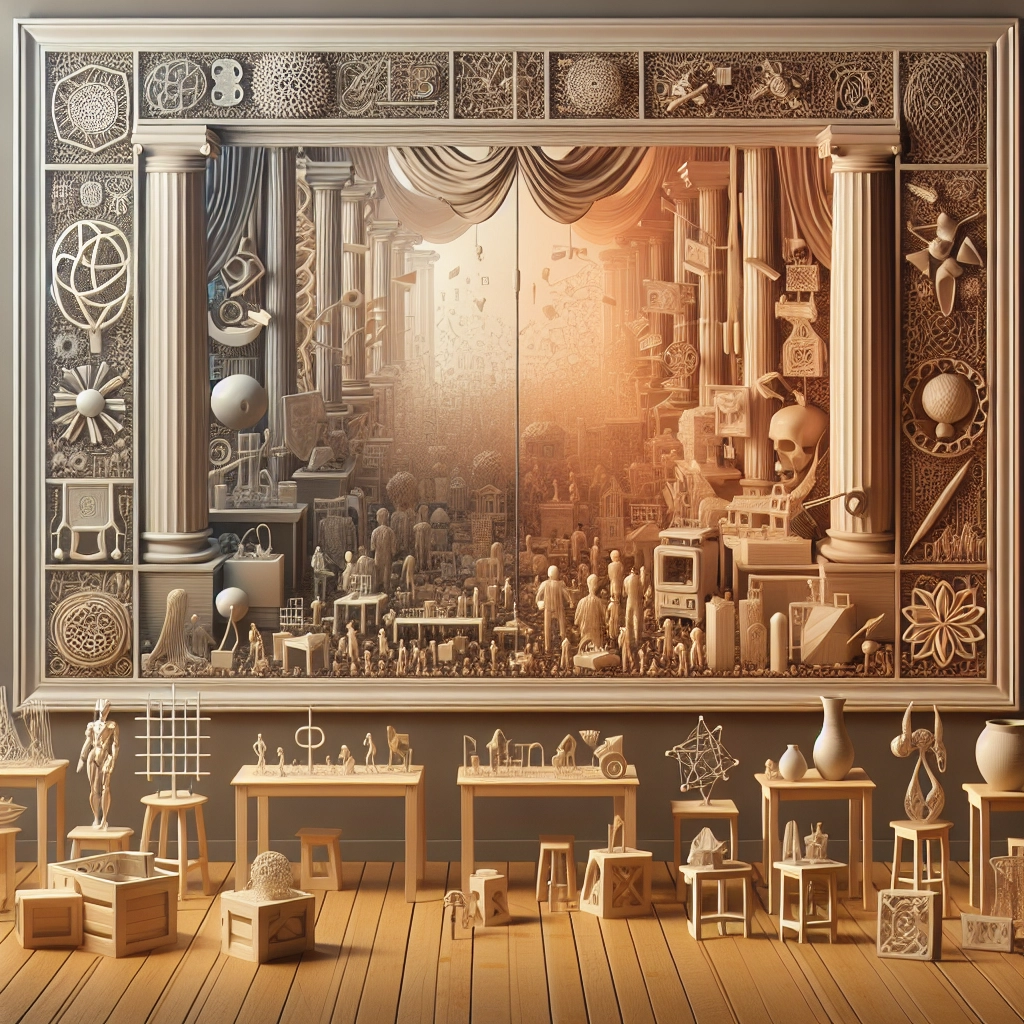
Exploring the World of 3D Printed Art: From Hobby to Gallery
In a world where technology and creativity collide, 3D printing has emerged as a game-changer for artists and hobbyists alike. Once seen primarily as a tool for engineers and designers, 3D printing now offers a unique canvas for artistic expression. It has transformed from a niche hobby to a reputable form of art showcased in galleries around the world. Let’s dive into this fascinating world where creativity knows no bounds!
The Evolution of 3D Art
Back in the day, making art meant working with paint, clay, or pencils. However, as technology advanced, new forms of artistic expression began to take shape. 3D printing was initially used for prototyping and industrial applications, but artists quickly recognized its potential for creating intricate sculptures and installations.
The journey of 3D printed art often begins as a hobby. Many enthusiasts start by dabbling in design software and personal printers, experimenting with different materials and techniques. The beauty of 3D printing lies in its accessibility. You can create art from home, transforming your innovative ideas into tangible pieces without needing a massive studio or expensive materials.
From Hobby to Masterpiece
Once hobbyists gain confidence in their skills, they may consider pushing their boundaries further. Various online platforms allow artists to share their designs, collaborate, and even sell their creations. Websites like Thingiverse and MyMiniFactory offer a collaborative environment where practitioners from all walks of life can upload their work, making art more accessible to the masses.
But the transition from hobbyist to gallery artist isn’t always straightforward. While the digital realm opens up endless possibilities, getting noticed in the traditional art world can be tricky. Many artists recognize this challenge and seek out opportunities to showcase their work in local galleries or participate in 3D printing competitions. These events not only display finished pieces but also often celebrate the process of creation, allowing audiences to appreciate the journey that leads to the final product.
The Appeal of 3D Printed Art
One of the most incredible aspects of 3D printed art is its versatility. Artists can explore a wide range of themes and materials, from delicate filaments and metals to bio-based plastics and sustainable materials. This flexibility allows creators to push their artistic boundaries, breaking traditional molds and inspiring innovative forms.
Moreover, 3D printing lends itself beautifully to complex geometries and intricate details that would be nearly impossible to achieve by hand. It opens the door to exploring new patterns, forms, and structures, leading to unique pieces that can captivate and challenge viewers’ perceptions of art.
Another fascinating aspect to consider is the interplay between technology and human touch. Many artists are not just computer designers—they are often adept at merging various techniques, incorporating hand-finishing touches, or even combining traditional elements with their 3D creations. This blend of styles adds a layer of depth and personal significance to their artworks.
The Role of Galleries
As 3D printed art gains traction, galleries have begun to embrace this medium, recognizing its potential to attract new audiences. Exhibitions dedicated to 3D art highlight the ingenuity of creators while also fostering discussions about art, technology, and their interplay in contemporary society.
Some prominent art institutions, like the Museum of Modern Art (MoMA) and the Victoria and Albert Museum, have included 3D printed works in their exhibits, solidifying it as a respected art form. These exhibitions not only validate the work of 3D artists but also provide them with a platform to reach a broader audience, bridging the gap between technology enthusiasts and art lovers.
Embracing the Future
As we move further into the 21st century, the boundaries of art continue to expand. 3D printing will likely play an even more significant role in the evolution of artistic expression. The integration of other technologies, such as virtual reality, artificial intelligence, and augmented reality, will undoubtedly lead to even more innovative forms of 3D art.
For aspiring artists, the future is bright. Whether you are just starting as a hobbyist or looking to make your mark in the art world, the possibilities are endless. The beauty of 3D printing is that it encourages creativity and experimentation, inviting anyone with a passion for art and technology to explore and express themselves.
So, if you’re intrigued by the world of 3D printed art, don’t hesitate to dive in. Your creative journey could start with a simple object design or a bold statement piece. Remember, every masterpiece begins with just one step, and who knows? You might just find yourself featured in the next big gallery exhibition!