


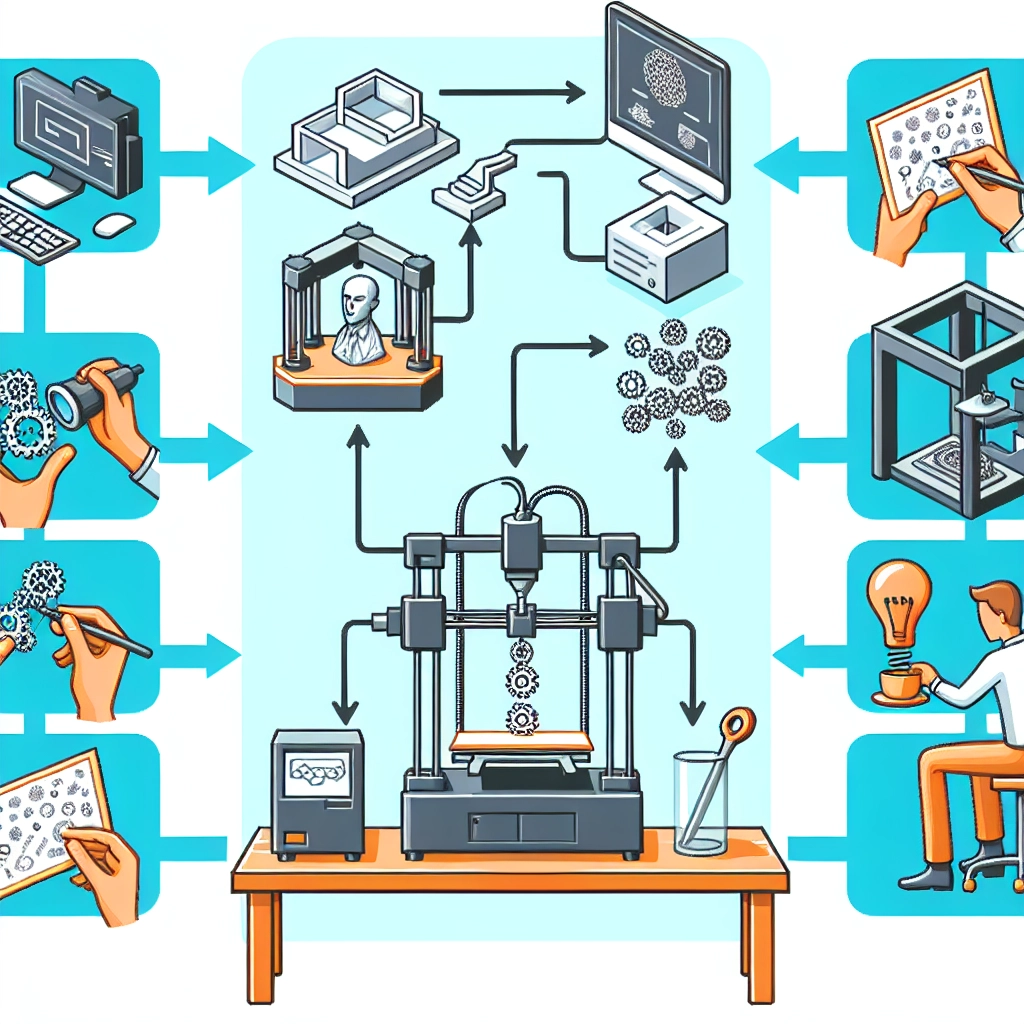
From Idea to Reality: The 3D Printing Process Explained
If you’ve ever daydreamed about creating something out of a simple thought—whether it’s a unique toy, a custom part for your home, or even a quirky piece of art—you’re not alone. Thanks to the fascinating world of 3D printing, transforming ideas into tangible objects is now more accessible than ever. While it may sound like something straight out of a sci-fi novel, 3D printing is very much a reality today. Let’s take a deep dive into the 3D printing process and see how a digital idea can emerge as a physical object right before your eyes.
Step 1: The Concept
Every creation begins with an idea. Maybe you want to print a phone stand or design a model of your dream home. Regardless of the concept, it all starts with creative brainstorming. Having a solid understanding of what you want to achieve will make the design process much smoother.
Step 2: Design the 3D Model
Once you have your idea, it’s time to transform it into a 3D model. You can use various software applications like Tinkercad, Fusion 360, or Blender. These tools enable you to create intricate designs or simple shapes. The beauty of 3D modeling is that you’re only limited by your imagination.
If design isn’t your forte, don’t fret! There are numerous online repositories such as Thingiverse or MyMiniFactory where you can find pre-designed models ready for printing. Just keep in mind that some files might need a bit of tweaking to fit your specific needs.
Step 3: Slicing the Model
With your 3D model ready, the next step is slicing. This process entails converting your model into a format that a 3D printer can understand. The software will break down your design into layers, creating a roadmap for the printer. Here, you can also adjust settings such as print speed, infill density (how solid the object should be), and layer height.
Most 3D printers utilize G-code, a language that tells the printer exactly what to do. This code governs every movement, from the height of each layer to the temperature the nozzle should reach. It’s a meticulous dance of precision that helps ensure your final product is exactly what you envisioned.
Step 4: Preparing the Printer
With your G-code in hand, it’s time to prep the 3D printer. Make sure you have the right material loaded into your machine. Most 3D printers work with plastic filament, such as PLA or ABS; some can even print in resin or metal! Each material has its pros and cons regarding ease of use, finish quality, and durability, so choose based on your project requirements.
Don’t forget to level the print bed! This step ensures that the first layer adheres properly, which is crucial for a successful print. A well-prepped bed makes all the difference, especially since this initial layer significantly impacts the overall quality of your object.
Step 5: Printing the Object
Finally, it’s showtime! Start the printing process, and watch as your creation comes to life, layer by layer. Depending on the size and complexity of the object, this process can take anywhere from a few minutes to several hours. It’s like watching a time-lapse video unfold in real-time!
During the printing phase, it’s common to feel a mix of excitement and anxiety—what if something goes wrong? While some prints may fail, that’s all part of the learning process. If you experience any hiccups, don’t be discouraged! Every hiccup is an opportunity to improve and better understand the intricacies of 3D printing.
Step 6: Post-Processing
Once the printer completes its task, your object may need some post-processing. This could involve removing any support structures, sanding rough edges, or even painting your new creation to give it that personal touch.
Post-processing can be a delightful creative outlet that allows you to enhance and refine your piece further. Plus, showcasing your unique flair makes the final product truly yours.
Bringing It All Together
From idea to reality, watching your 3D-printed creation take shape is quite thrilling. The entire process encourages creativity, problem-solving, and a hands-on approach to design that many find incredibly rewarding. With the technology growing rapidly and becoming more user-friendly, there’s never been a better time to dive into the world of 3D printing.
So, whether you’re a hobbyist, an engineer, or someone looking to bring their imagination to life, remember that your ideas can indeed transform into reality—one layer at a time. Embrace the journey, keep creating, and most importantly, have fun!