


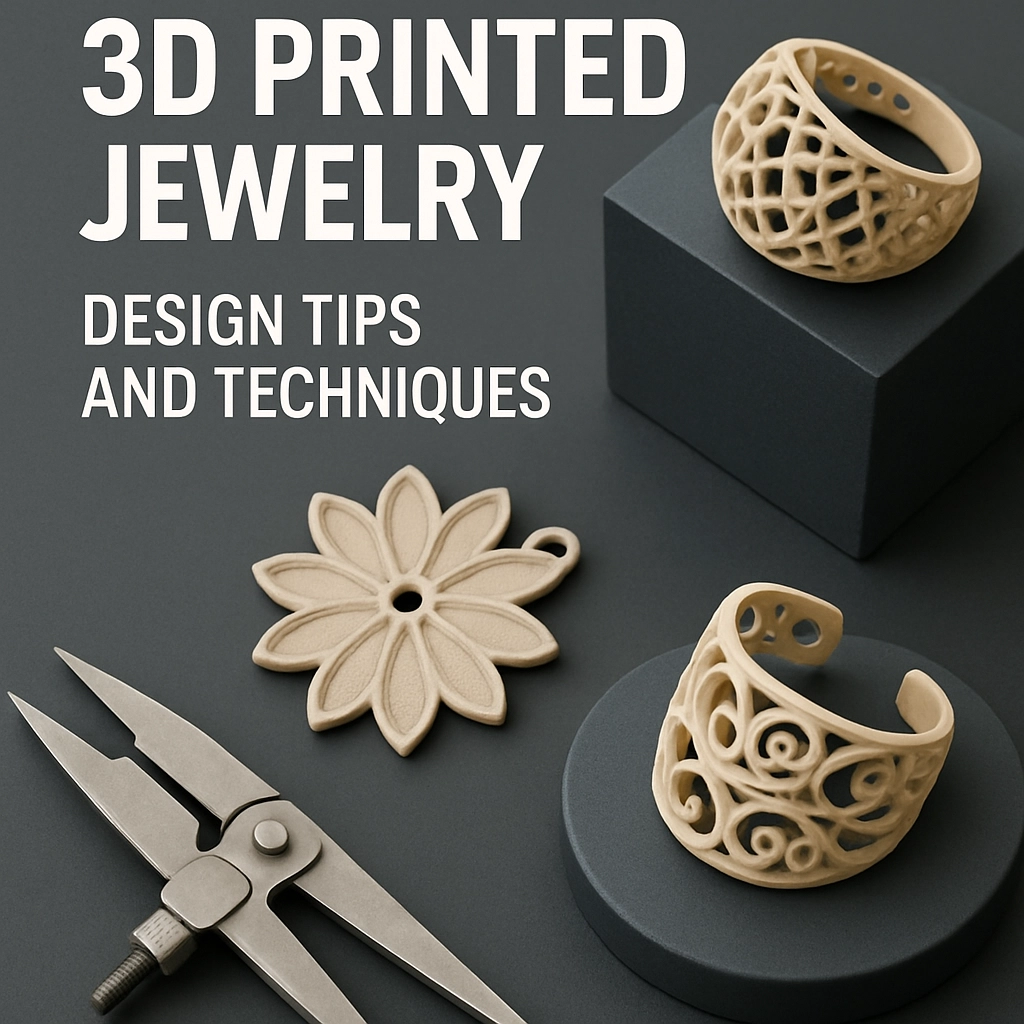
The Art of 3D Printed Jewelry: Design Tips and Techniques
In the realm of craftsmanship, few things are as exhilarating as merging tradition with technology. Jewelry has long been a form of personal expression, and with the advent of 3D printing, the possibilities are virtually limitless. Whether you’re an experienced designer or a passionate novice, diving into 3D printed jewelry can unleash your creativity in remarkable ways. Let’s explore some essential design tips and techniques that can help you get started on your 3D jewelry journey!
Understanding the Basics of 3D Design
Before you begin crafting the next breathtaking piece, it’s pivotal to familiarize yourself with the essentials of 3D design software. Tools like Tinkercad, Blender, and Fusion 360 offer various levels of complexity, catering to everyone from beginners to seasoned designers.
Starting simple is key. Experiment with basic shapes—cubes, spheres, and cylinders—before progressing to intricate designs. Getting comfortable with tools, layering, and manipulation will open up a whole new world of possibilities. Don’t be afraid to click around, make mistakes, and learn.
Finding Inspiration
Like all art forms, inspiration can strike from a multitude of sources. Nature, architecture, and even social movements can fuel your creativity. Social media platforms such as Pinterest and Instagram are treasure troves for discovering unique designs. Follow artists and fellow jewelry makers, and don’t hesitate to explore hashtags related to 3D printed jewelry.
Visit local art galleries or online exhibitions to see how traditional artisans are evolving in the digital age. The goal is to absorb various styles and techniques, which can serve as a springboard for your designs. Just remember, while it’s fantastic to get inspired, your jewelry should be an extension of yourself, so weave in your personal touch.
Considering Material Choices
One of the most exciting aspects of 3D printing jewelry is the diverse range of materials available. From robust thermoplastics to the delicate elegance of metals and resins, your choice can dramatically affect the final outcome.
- Plastic is a good starter material as it’s lightweight, cost-effective, and easy to print. Plus, it offers a rainbow of colors!
- Jewelry-grade resins often provide a more polished look and feel, ideal for intricate and delicate designs.
- Metals like gold, silver, and brass allow for a classic touch but require specialized printers. Still, your local maker spaces might have the machines you need!
Choosing the right material is not just about aesthetics; consider weight, comfort, and durability as well. Sometimes, a design might look stunning in one material but would be impractical in another.
Embracing Prototyping
One of the best parts of 3D printing is the ability to prototype your designs with minimal hassle and cost. Don’t hesitate to print multiple versions or tweak your designs based on how they look and feel. Testing out a ring or pendant gives you a tangible sense of proportion, scale, and comfort.
Prototyping also opens the door to experimenting with different finishing techniques. You might find that a matte finish gives a more modern vibe, while a polished surface adds elegance. Play around until you land on something that resonates.
Mastering the Art of Customization
What’s more personal than a piece of jewelry that’s custom-made? One of the key advantages of 3D printing is the ease of customization. Incorporate personalized engravings, motifs, or even birthstones into your designs. Offer clients the opportunity to add their initials or choose colors that hold special meaning to them.
Moreover, 3D modeling allows for the creation of adjustable rings, necklaces with movable components, or even pieces that can transform their look. The sky’s the limit! Customization not only enhances the value of your pieces but can also elevate your creative process.
Staying Updated on Trends
The tech world moves at lightning speed, and the 3D printing domain is no exception. Stay updated on trends in both jewelry design and 3D printing technology. New materials, printing techniques, and software updates can give your designs an edge. Join forums, attend workshops, and follow industry influencers to stay at the forefront of your craft.
In the end, merging the worlds of design and technology through 3D printing is not just about making jewelry; it’s about creating art that tells a story. As you embark on this journey, remember to embrace the learning curve. Every misprint and design tweak brings you closer to your unique voice in the world of jewelry. So, grab your design tools, let your imagination run wild, and start crafting pieces that not only shine but also resonate with the spirit of innovation!