


How to Start a Maker Space Focused on 3D Printing
Are you fascinated by the world of 3D printing? You’re not alone! From hobbyists to engineers, the magic of turning digital designs into tangible objects has inspired many. If you’ve ever thought about combining that passion with community engagement, starting a maker space focused on 3D printing might just be your calling. Not only can you create a hub for creativity, but you can also make technology accessible to all. So, let’s dive into how you can bring this idea to life!
Find Your Why
Before you dive into the nitty-gritty details, it’s essential to clarify your motivation. What’s your inspiration behind starting a maker space? Is it to foster innovation, support local artists, teach skills, or perhaps all of the above? Understanding your "why" will not only drive your vision but will also attract like-minded individuals who share your passion. Plus, having a clear mission will help you stay focused as you tackle the challenges that come with building a community space.
Assemble a Team
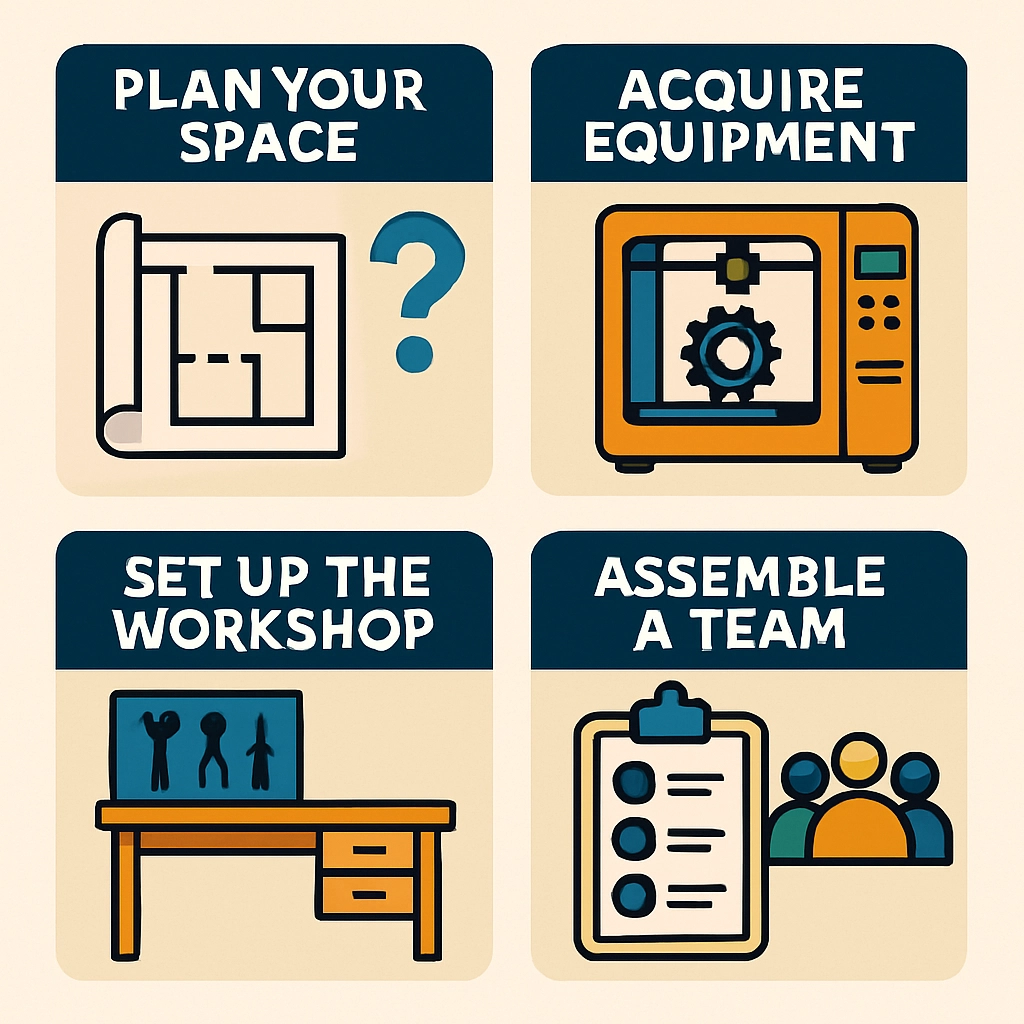
Running a maker space isn’t a solo mission. While it’s exciting to think about, it often requires a diverse skill set. Assemble a team of passionate volunteers or collaborators who can contribute differently—whether it’s teaching design software, maintaining equipment, or coordinating events. Having a diverse group can not only spread the workload but also bring in fresh ideas that make the maker space more dynamic and inclusive.
Choose a Location
Location, location, location! This saying might be a real estate mantra, but it rings true for your maker space as well. Look for a space that’s easily accessible and ideally located in a community hub. Think about nearby schools, libraries, or community centers that could serve as potential partners or host spaces. Be mindful of the infrastructure needs, too—ensure the location has proper electrical wiring, ventilation (for those 3D printers!), and enough room for equipment and collaborative work.
Gather Equipment
Now for the fun stuff—let’s talk about the gear! 3D printing is your focal point, so investing in some high-quality 3D printers is essential. Whether you prefer the user-friendly models geared toward beginners like the Creality Ender 3 or something more professional, it’s important to consider the community’s level of expertise. Don’t forget about design software; licenses for programs like TinkerCAD or Fusion 360 might be handy. While you’re brainstorming equipment, think about additional tools and materials like filament, a laser cutter, or even CNC machines. Diversifying your offerings can really enhance the maker experience!
Plan Activities and Workshops
A maker space thrives on community involvement. Planning engaging activities—like workshops, demo days, or hackathons—will energize the space and keep people coming back. You could offer beginner classes on 3D modeling or printing techniques, or invite local artists to share their work and approaches. Regular events not only build camaraderie but also allow participants to showcase their creations. Highlight the diverse talents within your community!
Create a Membership Model
To keep your maker space sustainable, consider establishing a membership model. Monthly or yearly fees can help cover maintenance costs, new equipment, and supplies. You could offer different tiers of membership—perhaps a basic tier for occasional users and a premium tier for those seeking more dedicated access. Incorporating volunteer opportunities can also encourage investment while allowing individuals to contribute to the community’s upkeep.
Spread the Word
Once your maker space is ready to launch, get the word out! Use social media, local bulletin boards, and community events to promote your space. Hosting an open house or demo day is a fantastic way to introduce potential members to what you offer. Creating a buzz in your community can draw in diverse groups of people, from students eager to learn to professionals seeking a creative outlet.
Build a Community Focused on Learning
Ultimately, the heart of a maker space lies in its community. Foster an environment where collaboration thrives and new ideas flourish. Encourage members to mentor one another, share their knowledge, and support each other’s projects. Celebrating accomplishments—whether big or small—can make the space feel welcoming and inclusive.
Starting a maker space focused on 3D printing is not just an opportunity to explore a fascinating technology; it’s a chance to create a vibrant community that inspires creativity, collaboration, and learning. It may seem like a daunting journey, but with passion, teamwork, and a commitment to fostering an innovative spirit, you can turn your dream into a reality. So go ahead—take that leap, and who knows? You might just be igniting the next wave of creativity in your community!