


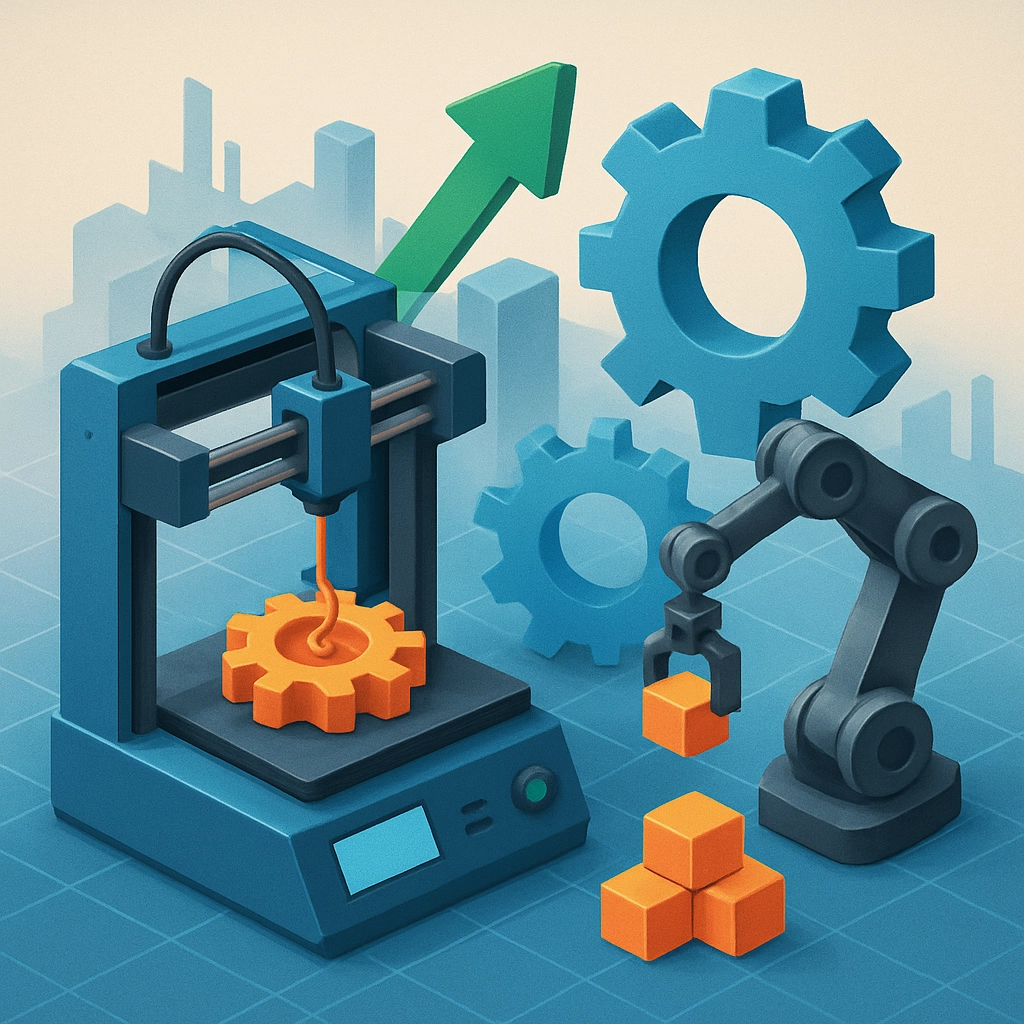
How 3D Printing is Revolutionizing Manufacturing Practices
In recent years, 3D printing has taken the world by storm, transforming everything from how we create prototypes to the way mass production operates. A technology once confined to the realms of imagination and specialized industries, it is now deeply ingrained in mainstream manufacturing practices. The rapid evolution of this innovative technique has led to significant changes in efficiency, customization, and environmental sustainability. So, let’s dive into how 3D printing is reshaping the landscape of manufacturing.
A New Era of Customization
One of the most remarkable aspects of 3D printing is its ability to produce highly customized products at a fraction of the cost and time it would take with traditional manufacturing methods. Gone are the days when customization meant altering a massive production line or incurring astronomical fees. With 3D printing, manufacturers can produce tailored components, spare parts, or even complete products based on individual customer needs—without significant investments in unique molds or tooling.
Whether it’s customized dental implants that fit perfectly into a patient’s mouth or a bespoke piece of jewelry that reflects personal taste, the flexibility of 3D printing enables businesses to cater to their customers’ specific desires. It’s not just a trend; it’s a game changer for industries that thrive on individual preferences.
Accelerating Prototyping and Product Development
Every product starts with an idea, and turning that idea into a tangible object can sometimes be a lengthy process. Traditional prototyping requires multiple stages, including designing, molding, and testing, which can slow down the time-to-market considerably. 3D printing accelerates this phase dramatically. Designers can quickly create prototypes, iterate on them, and incorporate feedback from tests, all without waiting days or weeks for tooling changes.
Moreover, because 3D printers can churn out prototypes in varying materials—such as plastics, metals, and even biological materials—manufacturers can test their designs under real-life conditions more quickly. This agility in product development not only enhances innovation but also encourages risk-taking, paving the way for groundbreaking ideas that might otherwise have taken too long to explore.
Reducing Waste and Promoting Sustainable Practices
Waste reduction is a pressing concern for the manufacturing industry. Traditional manufacturing methods often involve cutting away large sections of material to create a product, leading to significant waste. In contrast, 3D printing operates on an additive process—building an object layer by layer. This approach minimizes excess material and, in many cases, utilizes only what is needed.
Additionally, sustainability in manufacturing is more than just waste reduction; it also includes the sourcing of materials. Many companies are developing ways to use recycled plastics and biodegradable materials for 3D printing, further decreasing their carbon footprint. As consumers become more conscious of sustainability, businesses that adopt these practices can appeal to the growing market of environmentally-aware customers.
Enhancing Supply Chain Efficiency
With traditional manufacturing, products often undergo long supply chains that include multiple steps: designing, producing, shipping, and delivering to retailers. Each of these stages adds time and complexity. 3D printing has the potential to streamline this process significantly. By allowing companies to produce items on-demand, businesses can reduce inventory costs and minimize the risks of overproduction.
Imagine a world where products are made on-site, right when they’re needed, effectively eliminating the need for extensive warehousing facilities and lengthy shipping processes. This not only improves efficiency but also allows manufacturers to be more adaptive to market trends and customer demands.
The Road Ahead
While 3D printing is already making noticeable impacts in various sectors—like aerospace, automotive, healthcare, and fashion—it’s still in its early stages, with plenty of growth potential on the horizon. Innovations like multi-material printing, increased material options, and advancements in printing speed and precision are continually evolving the capabilities of this technology.
As we look to the future, it’s clear that 3D printing will continue to pave the way for innovations that will change how we think about manufacturing. The allure of reduced costs, greater customization, sustainability, and efficiency is impossible to overlook.
So, next time you hear someone mention 3D printing, remember that it’s not just a trend or a buzzword. It’s a vital force reshaping the way we manufacture goods and, ultimately, how we interact with products and each other. Whether you’re a consumer curious about personalized items or a business leader advising on best practices, understanding and embracing this technology could pave the way for a more innovative and efficient future.