


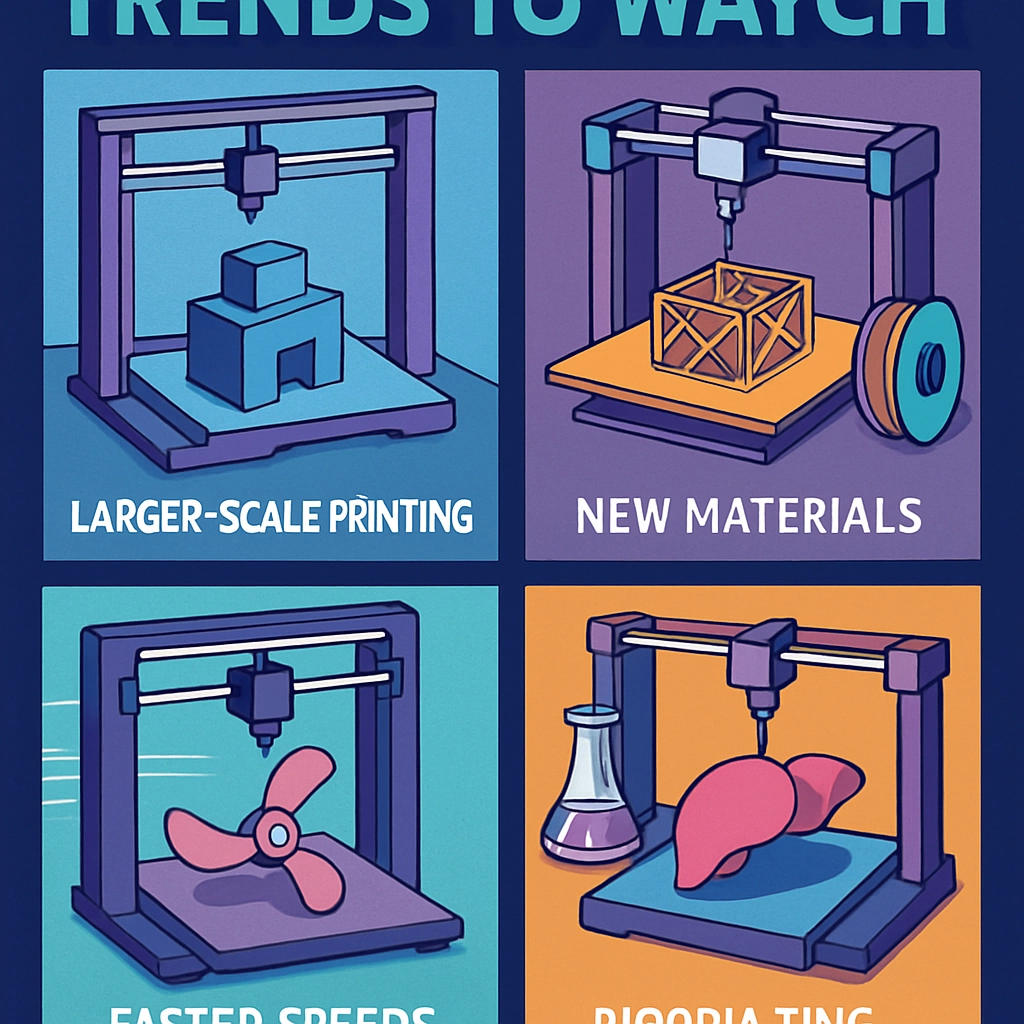
The Future of 3D Printing: Trends to Watch
3D printing, also known as additive manufacturing, has come a long way since its humble beginnings in the 1980s. Initially viewed as a niche technology for prototyping and small-scale production, it has blossomed into a transformative force across multiple industries. With advancements in materials, increased accessibility, and a surge of applications, it’s the perfect time to explore what the future holds for 3D printing. Here are some trends that are shaping its trajectory and the fascinating future we can anticipate.
Customization and Personalization
One of the most exciting aspects of 3D printing is its inherent ability to create highly customized products. From unique jewelry to personalized medical implants, this technology allows for tailor-made solutions that traditional manufacturing simply can’t offer. As more people seek products that reflect their individuality, expect customization to become mainstream. Imagine being able to go to a local 3D printing shop, upload your design, and walk out with a one-of-a-kind item in just a day!
Bioprinting: The Next Frontier in Healthcare
In healthcare, 3D printing is on the brink of something revolutionary. We’re already seeing success with custom prosthetics and dental applications, but bioprinting—the creation of living tissues—is truly the game-changer. Researchers are making strides toward printing organs and tissues that could one day significantly reduce transplant wait times and improve the success rates of surgeries. Given the escalating demand for organ transplants, the implications of bioprinting could save lives and transform medical practices globally.
Sustainability Takes Center Stage
Sustainability is no longer just a buzzword; it’s a necessity, and 3D printing is uniquely positioned to elevate sustainable practices. Traditional manufacturing often leads to significant waste and large carbon footprints. However, additive manufacturing reduces material waste since products are built layer by layer. Additionally, innovations in using recycled materials for 3D printing can further lessen environmental impact. We might soon see eco-friendly 3D printing materials that help build everything from homes to furniture while minimizing our carbon footprint.
Advancements in Materials
The future of 3D printing will heavily rely on new materials. Currently, we’re limited to plastics, metals, and ceramics, but as researchers push the boundaries, we may see the emergence of advanced materials like composites, conductive inks, and even food. These new options would open doors to countless applications, enhancing the functionality and durability of printed objects. As new materials emerge, they’ll expand the potential for industries such as aerospace, automotive, and even fashion, unlocking new realms of creativity.
Automation and AI Integration
With the rise of automation, integrating AI into 3D printing processes can enhance both efficiency and effectiveness. Machine learning algorithms can optimize designs, streamline workflows, and improve production speeds. Enhanced automation may lead to a shift in traditional manufacturing jobs, but it will also open opportunities for highly skilled positions related to overseeing these advanced systems. Keeping up with the latest technologies will be critical for future workers in this space.
The Decentralization of Manufacturing
The concept of decentralized manufacturing is gaining traction with the rise of 3D printing technology. Picture this: instead of concentrated factories producing goods that are shipped worldwide, local hubs equipped with 3D printers could handle production based on regional needs. This shift could significantly reduce transportation costs, lead time, and logistics headaches. Moreover, it allows for a more agile response to local demands and preferences, enhancing customer satisfaction.
Education and Skill Development
As 3D printing technology becomes increasingly integrated into various fields, education and skill development are paramount. Universities are beginning to offer specialized programs, and online courses are making it easier for anyone interested to jump on the 3D printing bandwagon. As the landscape shifts, staying informed and continually learning about new developments in 3D printing will be key for professionals and enthusiasts alike.
Final Thoughts
As we peer into the crystal ball of 3D printing, it’s a safe bet that we’ll witness even more groundbreaking advancements in the coming years. From healthcare to sustainability, the technology is set to redefine how we think about production and creativity. Embracing these changes will not only lead to economic growth but also offer innovative solutions to some of the world’s pressing challenges. Whether you’re a maker, a business owner, or just a curious observer, the evolution of 3D printing presents an exciting journey that’s worth following closely. The future is indeed looking bright and full of possibilities!