


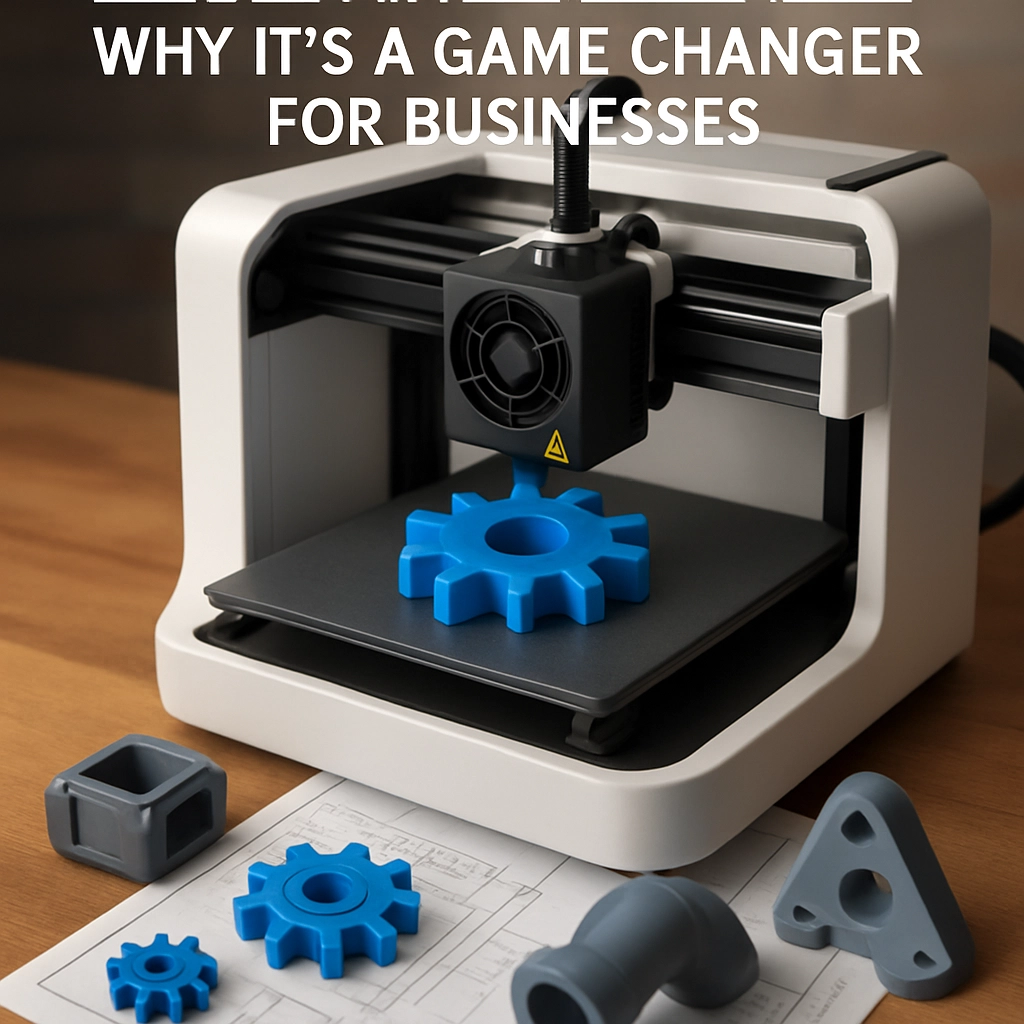
3D Printing for Prototyping: Why it’s a Game Changer for Businesses
In the ever-evolving landscape of technology and innovation, businesses strive to find new ways to stay ahead of the competition. One of the most exciting developments in recent years is the rise of 3D printing. While this technology has garnered attention for its artistic capabilities and hobbyist applications, it’s really making waves in the world of business—especially when it comes to prototyping.
What is 3D Printing?
At its core, 3D printing, or additive manufacturing, involves creating a physical object from a digital model. This is done by layering material (like plastic, metal, or resin) to produce a tangible item. The beauty of this process is that it allows for incredible precision and customization, making it ideal for prototyping. Businesses can quickly turn their concepts into physical products, facilitating a smoother journey from idea to market.
Speed and Efficiency
One of the standout benefits of using 3D printing for prototyping is the speed at which prototypes can be produced. Traditional prototyping methods, such as injection molding or CNC machining, can be time-consuming and labor-intensive. It’s not uncommon for businesses to wait weeks or even months to see a prototype.
With 3D printing, however, the turnaround time is dramatically reduced. Depending on the complexity of the design, a prototype can be ready in just a few hours or days. This efficiency allows businesses to iterate on their designs rapidly, testing and refining their products based on real-world feedback without falling behind schedule.
Cost-Effective Innovation
Another significant advantage of 3D printing is cost savings. Traditional prototyping often requires expensive materials and specialized equipment. If a prototype needs adjustments, companies may need to invest in new molds or tools, which can rack up costs quickly.
3D printing drastically reduces these expenses. The initial investment in a 3D printer can pay off incredibly fast, especially for small-to-medium enterprises. You can create multiple iterations of a prototype without breaking the bank, allowing smaller businesses to compete with larger firms more effectively. This democratization of design capabilities fosters innovation and creativity, regardless of budget constraints.
Enhanced Customization
In today’s market, personalization and customization can significantly impact consumer choices. 3D printing excels in this area, allowing businesses to create bespoke products tailored to individual requirements. Instead of producing a one-size-fits-all prototype, companies can easily modify designs to cater to specific needs, preferences, or local markets.
This level of customization not only enhances customer satisfaction but also helps businesses differentiate themselves from competitors. Whether it’s custom-fit automotive parts, personalized medical devices, or unique promotional items, 3D printing empowers brands to offer tailored solutions that resonate with their audience.
Improved Collaboration
3D printing also fosters collaboration within teams. When multiple stakeholders can readily access and modify prototypes, it encourages open communication and idea-sharing. Designers, engineers, and marketers can work together effectively, making on-the-spot adjustments and seeing the results immediately.
For remote teams, digital designs can be sent to various locations for printing. This accessibility allows for continuous input and feedback, ensuring that everyone is aligned and that the best ideas are realized. This collaborative environment can lead to more innovative and successful products.
Sustainability
As consumers become increasingly aware of their environmental impact, businesses are under pressure to adopt more sustainable practices. 3D printing offers a pathway to reduce waste during the prototyping phase. Traditional manufacturing often results in excess materials that are discarded or repurposed, generating unnecessary pollution.
With 3D printing, materials are used more efficiently, as only the necessary amount is produced to create the component. Plus, many 3D printing materials are recyclable, making it easier for businesses to embrace eco-friendly practices during prototyping and beyond.
The Road Ahead
For forward-thinking businesses, 3D printing represents not only a significant technological shift but also a strategic advantage. As the industry continues to evolve, the possibilities are endless. From healthcare to automotive, consumer goods to aerospace, the applications for 3D printing in prototyping are already proving to be transformative.
As you consider how to improve your product development process or gain a competitive edge, don’t overlook the game-changing potential of 3D printing. It’s more than just a trend; it’s paving the way for a future of innovation where speed, cost-effectiveness, and customization aren’t just luxuries—they’re the norm. Embrace this exciting technology, and watch your ideas turn into reality faster than you ever imagined.