


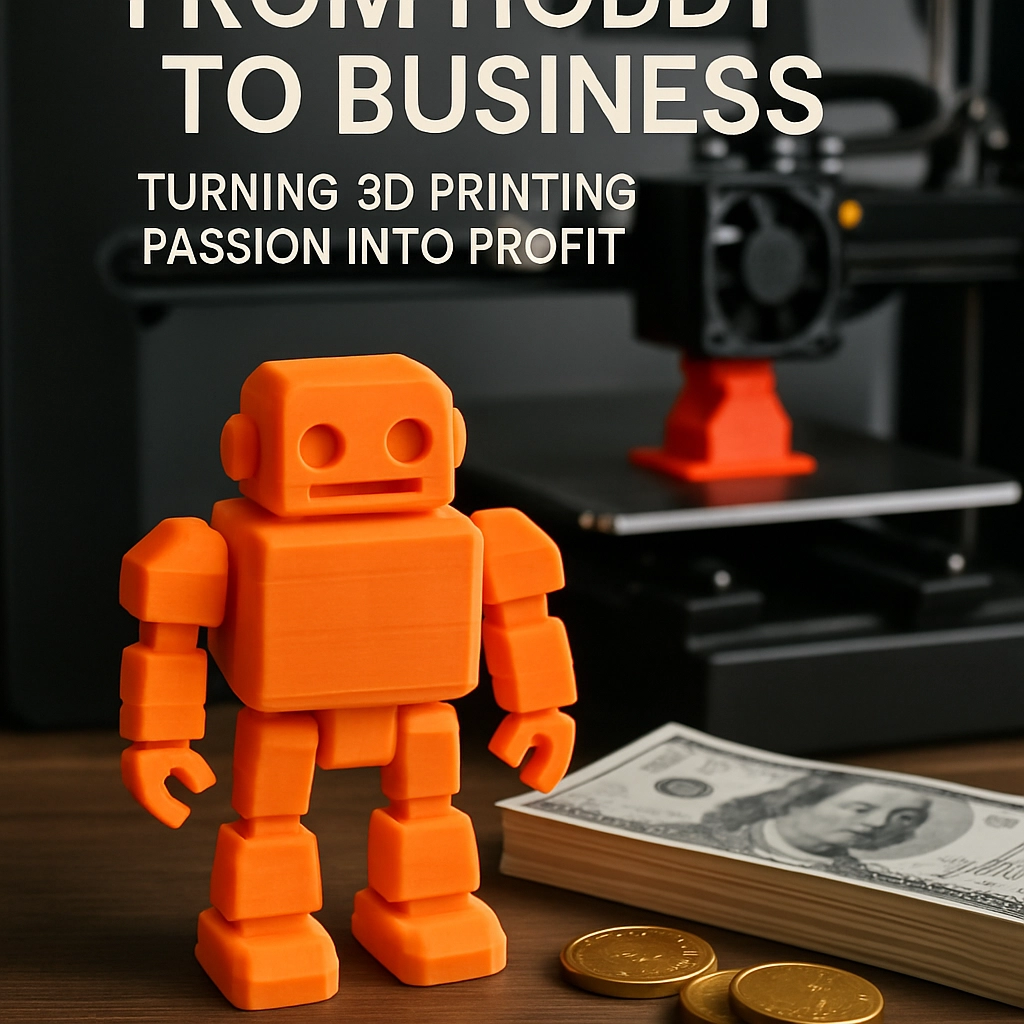
From Hobby to Business: Turning 3D Printing Passion into Profit
Have you ever found yourself mesmerized by the whirring sounds of a 3D printer, watching an object come to life layer by layer? If you’re someone who has fallen down the rabbit hole of 3D printing, you’re not alone. This fascinating technology has swept through homes and workshops around the world, capturing the imagination of hobbyists and creators alike. But what if I told you that your love for 3D printing might also be a potential goldmine? Let’s explore how you can turn your 3D printing passion into a profitable business.
Discovering Your Niche
The first step to making your 3D printing hobby pay off is to identify your niche. While some people use 3D printers to create artistic sculptures, others focus on functional items or even custom parts for specific industries. Start by assessing what you enjoy most about 3D printing.
Do you love designing intricate designs, or are you more into pragmatism, like creating tools or parts? Maybe you’re a gamer and want to create gaming accessories or character models. The possibilities are endless. Pinpoint what you’re passionate about; this will make your business not just profitable but enjoyable.
Building Your Skills
Once you’ve found your niche, it’s time to hone your skills. The world of 3D printing is vast and constantly evolving. Familiarize yourself with the design software that suits your preferred niche—whether that’s Blender for intricate designs or Tinkercad for more straightforward projects.
Don’t shy away from learning new printing techniques, materials, or even post-processing methods. Joining online communities can also be particularly helpful. You can find forums, YouTube channels, or social media groups brimming with enthusiasts ready to share tips and tricks. You might even find mentors who can guide you through your entrepreneurial journey.
Create a Portfolio
As you develop your skills, start creating a portfolio of your best work. This will serve as your calling card when you’re ready to reach out to potential customers or partners. High-quality photos showcasing your 3D printed creations are essential. Make sure to highlight various angles and aspects to truly display the detail and craftsmanship you’ve put into them.
Having a digital portfolio also enables you to create an online presence. Think of a simple website or even a social media page dedicated to your creations. This not only showcases your work but also allows you to connect with other enthusiasts and potential customers.
Set Up Your Business
When you’re ready to take the plunge, it’s time to think about the business side of things. Start small—deciding how you’ll operate your business can take time. Will you sell items on platforms like Etsy, eBay, or even your own website? Each platform has its pros and cons, so research which one aligns best with your brand.
You’ll also need to consider pricing your items correctly. Factor in not only the cost of materials and printing time but also your skill set, labor, and overhead expenses. Keep in mind that pricing can evolve as your skills improve and the quality of your prints increases.
Don’t forget to think about shipping—it can be a hassle, but there are many small business solutions available that can make this easier. Packaging your products safely while keeping costs reasonable will enhance your customer experience.
Market Your Creations
Marketing is key to transforming your passion into profit. Use social media to your advantage—Instagram and Pinterest are great visual platforms to showcase your latest designs. Engaging content can help you attract followers organically. You could even experiment with tutorials or behind-the-scenes looks at your printing setup.
Consider collaborating with influencers or other creators in your niche as well. It’s a wonderful way to expand your reach. You can also attend local craft fairs or makerspaces to network and promote your work in person.
Stay Learn and Adapt
Lastly, remember that the world of 3D printing—and business as a whole—is constantly evolving. Keep your ear to the ground for new trends and technologies emerging in the industry. Adaptability could be your secret weapon.
Running a business is far from a linear journey. There will be bumps along the road, and that’s okay! Embrace the learning process, and don’t hesitate to pivot your strategy if something isn’t working.
Turning your 3D printing hobby into a business could be one of the most rewarding adventures you embark upon. Not only do you get to continue doing what you love, but you also open doors to endless possibilities. With passion, dedication, and ingenuity, you could see your little venture bloom into something truly spectacular. So grab that printer and let your creativity take the lead; who knows what incredible things you’ll create and the impact they may have!