


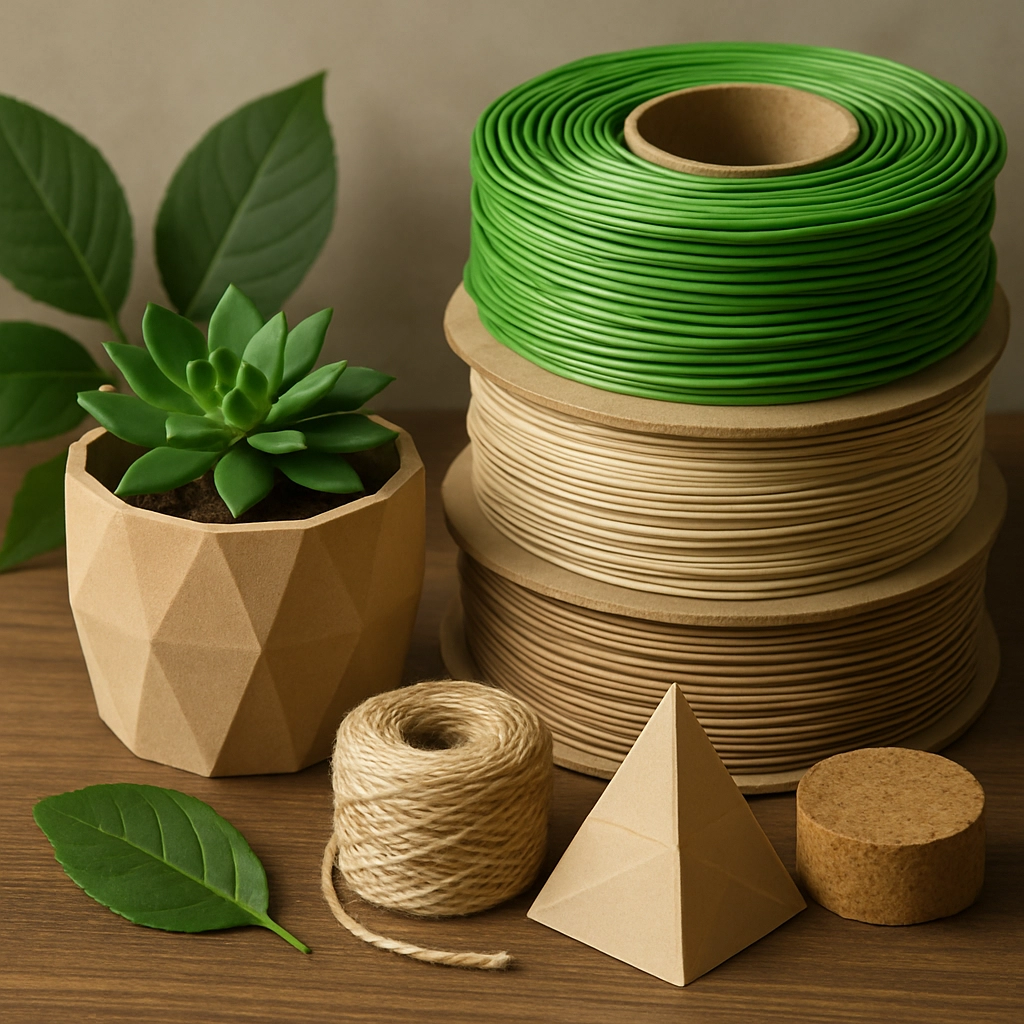
Eco-Friendly 3D Filaments: A Sustainable Printing Guide
3D printing has revolutionized the way we think about design and manufacturing. What was once confined to large factories is now something many of us can pursue from the comfort of our homes. In recent years, as the green movement has gained momentum, more and more makers have turned their attention toward eco-friendly 3D printing materials. If you’re looking to reduce your environmental footprint while bringing your creative ideas to life, eco-friendly 3D filaments could be the perfect solution for you.
What Are Eco-Friendly Filaments?
Eco-friendly 3D filaments are materials used in 3D printing that have a reduced impact on the environment, either through their sustainable sourcing, biodegradability, or recycling capabilities. Traditional filaments like PLA, ABS, or PETG can have negative environmental impacts, whether from the extraction of raw materials or pollution during production. In contrast, eco-friendly filaments are designed to be less harmful to both you and the planet.
Types of Eco-Friendly Filaments
Let’s dive into some popular eco-friendly filament options that you can use for your next 3D printing project.
1. PLA (Polylactic Acid)
PLA is perhaps the most widely recognized eco-friendly filament. It’s derived from renewable resources, such as cornstarch or sugarcane. Being biodegradable, PLA has a considerably lower carbon footprint compared to petroleum-based plastics. However, it’s important to note that while it’s compostable under industrial conditions, it may not break down effectively in regular compost bins. Still, it’s a fantastic option for prototypes, models, or decorative items.
2. PETG (Polyethylene Terephthalate Glycol-Modified)
While PETG isn’t entirely biodegradable, it is recyclable and has a lower environmental impact than traditional plastics. It’s known for its strength and flexibility, making it a great alternative for functional parts. Plus, PETG produces less odor when printing compared to both PLA and ABS, offering a more pleasant printing experience!
3. PVA (Polyvinyl Alcohol)
PVA is a water-soluble filament that’s ideal for creating support structures in prints. The beauty of PVA lies in its non-toxic nature and the fact that it can be dissolved in water, making it easy to remove supports without damaging the main print. PVA is often used in conjunction with other materials for complex projects, and it’s an environmentally friendly option when used wisely.
4. Wood and Hemp Composites
Some filaments are mixed with natural materials like wood or hemp to create unique, sustainable blends. These provide a distinct look and texture to your prints while also coming from renewable resources. While they might be a bit more challenging to print with due to their composition, the results can be stunning.
5. Recycled Filaments
In recent years, brands have started producing filaments made from recycled plastics. These filaments repurpose waste materials that would otherwise contribute to pollution, effectively giving them a second life. The properties of recycled filaments can vary, but many produce good-quality prints while minimizing waste.
Tips for Sustainable 3D Printing
While choosing eco-friendly filaments is a great start to sustainable 3D printing, there are other practices you can adopt to enhance your green efforts:
-
Print Smart: Minimize your material usage by optimizing designs. Use slicing software to reduce infill or support structures when unnecessary.
-
Print Local: If you don’t have a printer at home, consider using local makerspaces or 3D printing services that emphasize eco-friendly practices.
-
Reuse and Recycle: Always look for local recycling programs that accept 3D printing waste, or reconsider your designs to minimize offcuts.
-
Go Slow: If you have the time and inclination, consider using lower speeds and temperatures. Slowing down your print can lead to better quality, which means less need for reprints.
-
Educate Yourself: Stay informed about the latest eco-friendly materials and practices. The world of sustainable materials is always evolving, so keeping abreast of new developments can help you make informed choices.
Final Thoughts
The journey to a more sustainable 3D printing practice is not just about the materials you choose; it’s about embracing a mindset of responsibility and awareness in your creative process. By opting for eco-friendly filaments and considering your overall printing practices, you can contribute to a healthier planet while still exploring the limitless possibilities of 3D design. So, whether you’re printing a simple gadget, a prototype, or even something artistic, make your choices count and remember that small steps can lead to big changes in our global environment. Happy printing!