


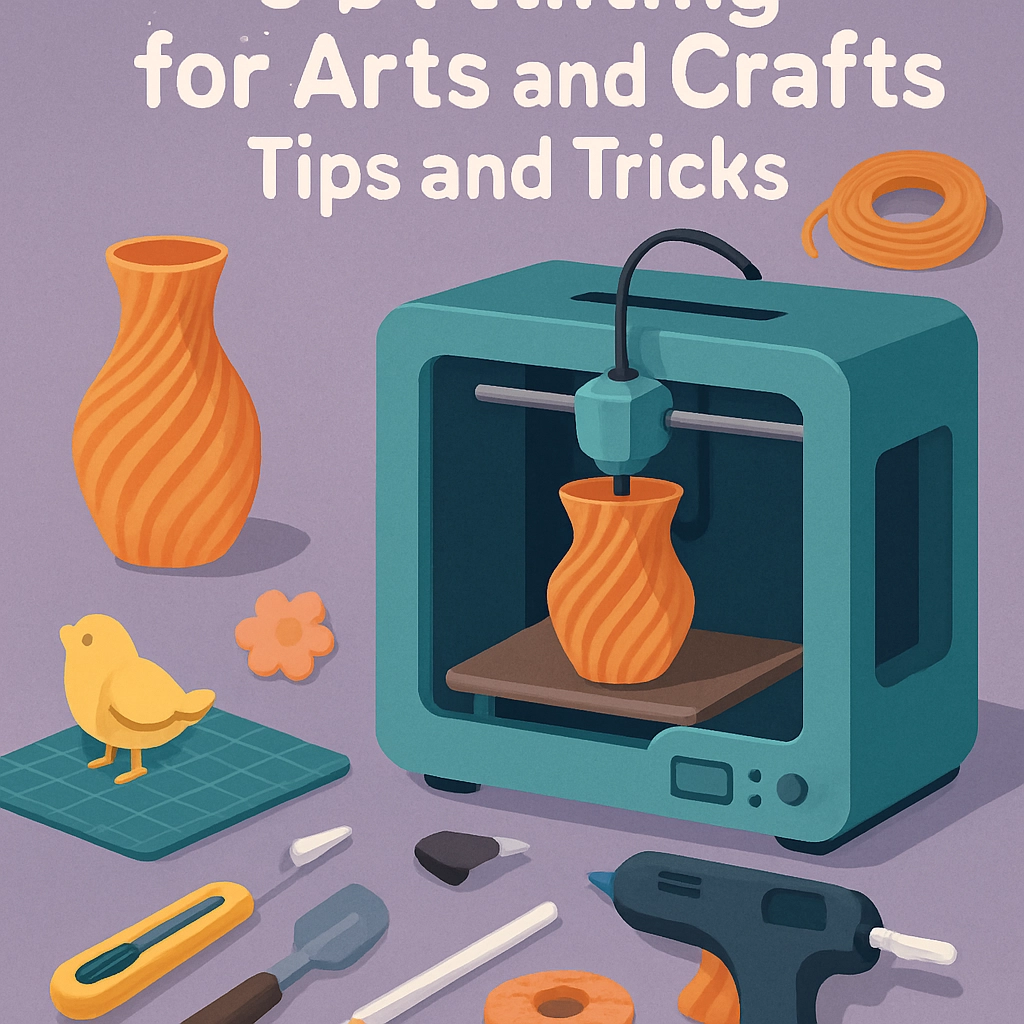
Using 3D Printing for Arts and Crafts: Tips and Tricks
In recent years, 3D printing has transformed the landscape of arts and crafts. This technology has made it possible for creators to push their boundaries, think outside the box (or should we say, outside the printer?), and create stunning pieces that were once limited to the imagination. Whether you’re an experienced artist or a weekend hobbyist, bringing 3D printing into your toolkit can open up a world of creative opportunities. Here are some handy tips and tricks to help you navigate this exciting medium.
Understanding the Basics
Before diving into the world of 3D printing, it’s essential to familiarize yourself with the basics. At its core, 3D printing, also known as additive manufacturing, creates three-dimensional objects from a digital file. This is done by layering material, often plastic, resin, or even metal, until the final shape is achieved.
If you’re just starting, you don’t need to go out and buy a fancy printer right away. There are plenty of online services where you can upload your designs and have them printed and shipped to you. This approach lets you test the waters without the commitment of purchasing a printer. However, if you find yourself enchanted by the possibilities, investing in a personal 3D printer can open up countless avenues for your artistic exploration.
Design and Software
Once you’re ready to create, the first step is designing your piece. Familiarize yourself with 3D modeling software. There are many user-friendly platforms available, such as Tinkercad and Blender, which cater to different skill levels. Tinkercad is particularly recommended for beginners because of its drag-and-drop interface, allowing you to create designs quickly without getting overwhelmed.
Experimenting is key. Don’t be afraid to play with shapes, sizes, and functions. Think about how you can incorporate traditional art techniques with 3D elements. For instance, you could create a base model of a jewelry piece and use traditional painting techniques on the printed item. The integration of both worlds can produce some truly unique results.
Material Matters
When it comes to 3D printing, the material you choose can have a significant impact on the finished product. Plastic, particularly PLA and ABS, is popular due to its versatility and ease of use. However, there are various materials available, ranging from flexibles to metals, and even biodegradable options.
If you’re focusing on arts and crafts, consider experimenting with filament types such as glow-in-the-dark or metallic blends to add a funky edge to your projects. Each material behaves differently during the printing process, so read up on their properties and best practices to ensure successful prints.
Tips for Successful Printing
Even seasoned crafters can run into hiccups when 3D printing, but there are some tried-and-true tips to steer you towards smoother sailing:
-
Calibration is Key: Ensure your 3D printer is calibrated correctly. This can help avoid issues like warping or misalignment during printing.
-
Test Prints: Start with smaller test prints to save time and material. This can help you assess how your design is functioning before diving into larger projects.
-
Layer Heights: Depending on your specific design and detail level, you can adjust the layer height settings. Lower layer heights provide finer detail but take longer to print, while higher settings speed up the process but can lose intricate details.
-
Post-Processing: After printing, don’t shy away from post-processing techniques. Sanding, painting, and assembling parts can vastly enhance the look and feel of your 3D-printed creations. For instance, a little bit of paint can help a geometric vase become a standout piece of home décor.
Getting Creative
The beauty of 3D printing is its limitless creative potential. Think about how to combine different techniques and materials. You can incorporate digital designs into handmade crafts—like creating custom stencils or molds for resin casting.
Additionally, attending workshops or joining online forums can be incredibly beneficial. Ask questions, share your work, and seek inspiration. The 3D printing community is often supportive and filled with resources to help you refine your skills.
As you embrace the integration of 3D printing into your arts and crafts journey, remember that experimentation is key. Each print is a learning experience, and every mistake offers an opportunity for growth. So, unleash your creativity, and let those artistic ideas flow—who knows what unique creations you’ll bring to life next? Whether it’s intricate ornaments for the holidays or custom pieces that tell your story, 3D printing can elevate your craft to new heights. Happy printing!