


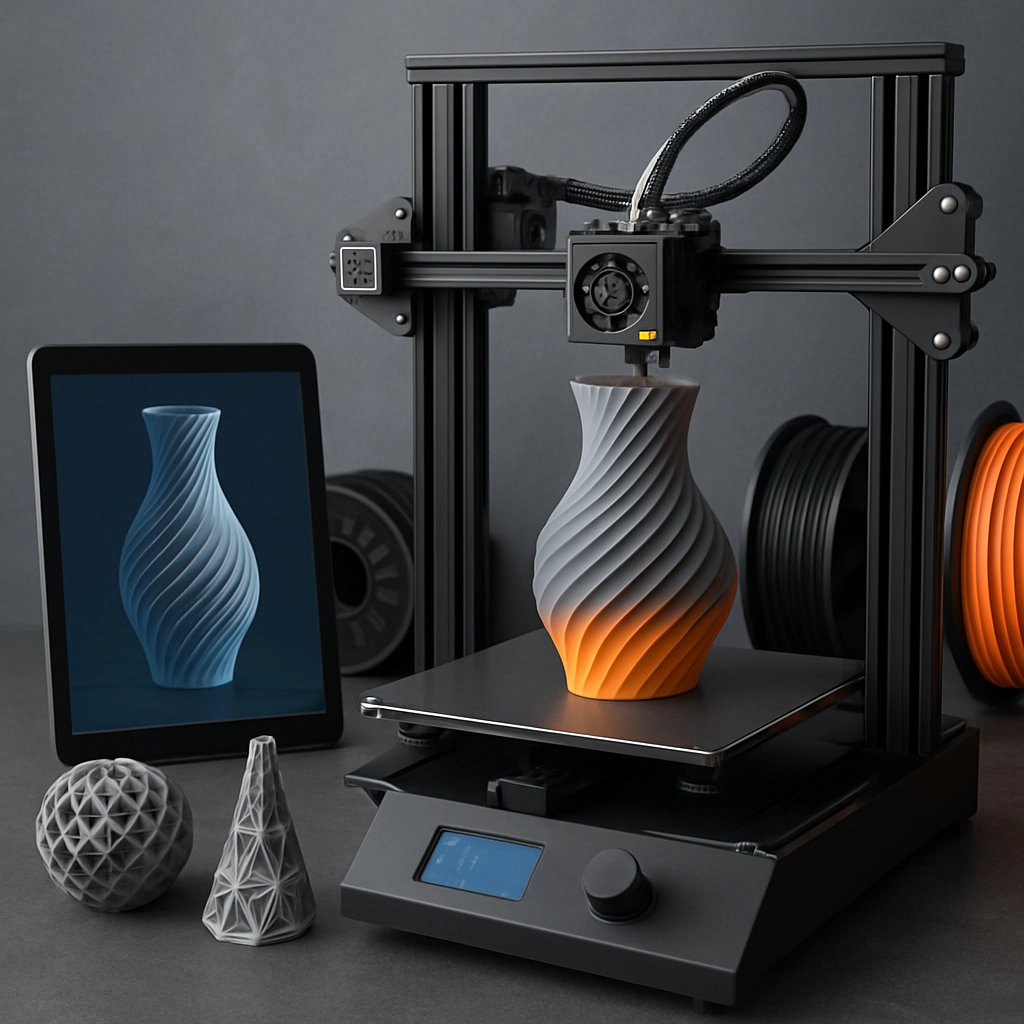
Exploring the Latest Innovations in 3D Printing Technology
3D printing has come a long way since its inception in the 1980s. Once limited to prototyping, the technology has evolved significantly and is now permeating various industries, from healthcare to aerospace. So, grab your virtual hard hats and let’s dive into the latest innovations in 3D printing technology that are reshaping our world.
A Paradigm Shift in Materials
One of the most exciting advancements in 3D printing is the development of new materials. Gone are the days when plastic was the only game in town. Today, you can find 3D printers using metals, ceramics, and even organic materials. For instance, innovations like bioprinting are on the rise, where living cells can be layered to create tissues and organs. This isn’t just sci-fi; it has real implications for regenerative medicine and organ transplantation.
Additionally, advances in metal printing, such as Direct Energy Deposition (DED) and Selective Laser Melting (SLM), allow for the creation of highly durable, intricate parts. Aerospace companies are now using these methods to produce high-performance components that are lighter and stronger than traditionally manufactured parts. Imagine flying in an aircraft built with 3D-printed titanium components—it’s not just a dream anymore!
Speeding Up Production with Continuous 3D Printing
Another standout innovation is continuous 3D printing, which dramatically speeds up the production process. Traditional 3D printing involves layering materials one at a time, which can be time-consuming. Continuous 3D printing technology, however, allows for a "video" style of printing, where layers are fused together in real time.
Companies like Carbon3D have pioneered this approach, using a method involving a liquid resin that hardens upon exposure to UV light. This means that products can be brought to market faster than ever before. This rapid production capability has significant implications for industries like consumer goods, where the speed of getting products into customers’ hands is paramount.
Customization at Its Finest
Customization is another area where 3D printing shines. With the help of advanced software, it’s easier than ever to create tailored products for individual consumers. Think about the implications for everything from shoes to dental devices. Brands like Adidas and Nike are already experimenting with 3D printing for bespoke footwear, allowing customers to choose styles and fit that best suit their needs.
In the healthcare sector, personalized medical devices are becoming a reality. Customized prosthetics and orthotics can now be 3D printed to fit the precise dimensions of a patient’s body, enhancing comfort and functionality. This level of customization wasn’t possible with traditional manufacturing methods, showing just how vital 3D printing can be in improving quality of life.
Sustainability and Eco-Friendly Practices
As we become more mindful of our environmental impact, 3D printing has stepped up to the plate with promising solutions. Manufacturers are now focusing on creating sustainable materials for 3D printing. For example, some companies are using recycled plastics or biodegradable materials, reducing waste and minimizing environmental harm.
Additionally, localized production reduces the need for shipping goods across the globe. Instead of relying on mass production factories far from consumers, products can be printed on-demand, right where they’re needed. This can lead to significant reductions in carbon footprints associated with transportation and storage.
The Future of 3D Printing
Looking to the future, the potential of 3D printing seems limitless. We’re just scratching the surface when it comes to advancements like artificial intelligence integration, which can optimize designs for strength, durability, and cost-effectiveness. Enhanced automation in 3D printing processes is also on the horizon, further streamlining production.
Moreover, we can expect the technology to become more accessible. As prices for high-quality 3D printers continue to decrease, more small businesses and individual entrepreneurs will be able to take advantage of these capabilities. This democratization of technology could lead to an explosion of creativity and innovation.
As we explore the waves of transformation brought about by 3D printing, one thing is clear: we’re on the cusp of a manufacturing revolution. The convergence of advanced materials, rapid production techniques, and brilliant customization is setting the stage for a world where anything is possible. Whether it’s revolutionizing the way we think about healthcare or igniting a new era of sustainability, the innovations in 3D printing are worth paying attention to. Who knows what the next layer of innovation will bring?