


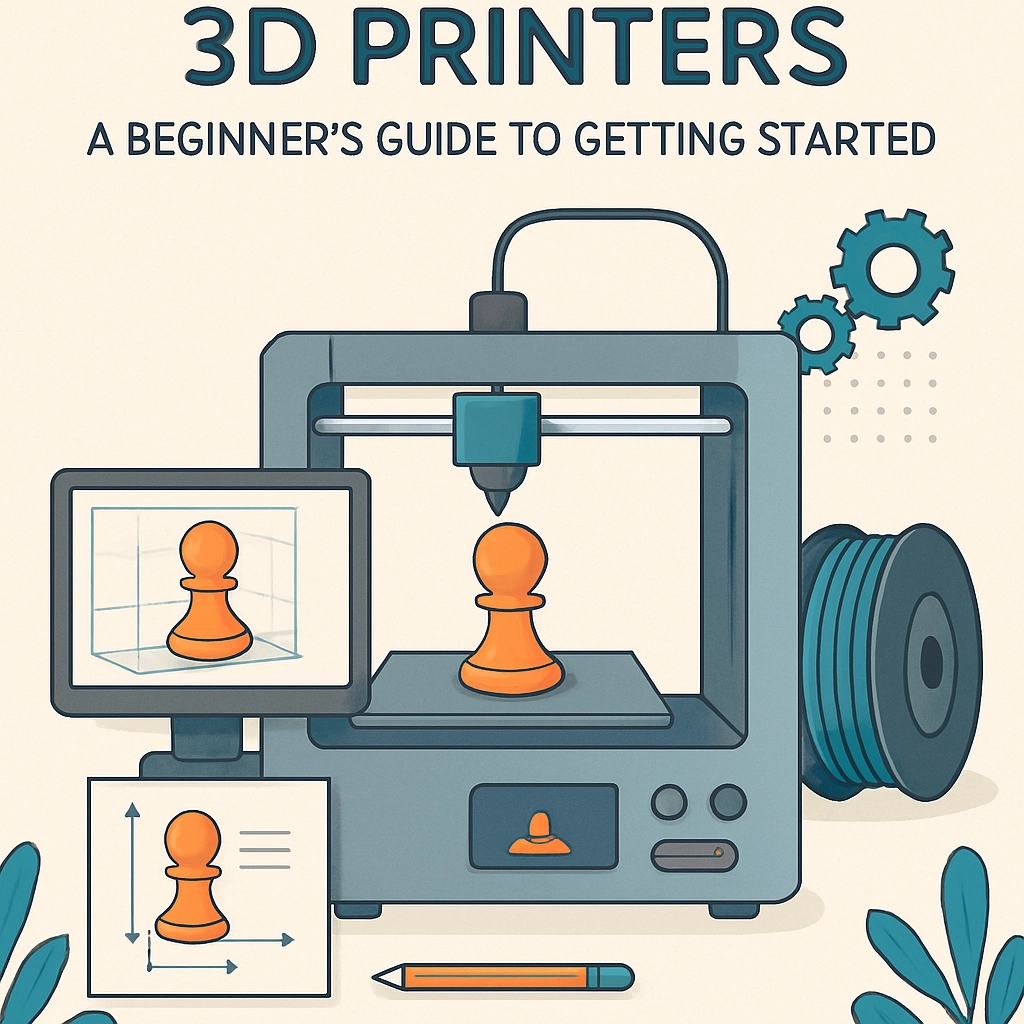
Understanding 3D Printers: A Beginner’s Guide to Getting Started
Have you ever wished you could design something and then simply bring it to life? Well, with 3D printing, that dream is becoming a reality for many. Whether you’re an artist, a hobbyist, or just someone curious about technology, stepping into the world of 3D printing can be exhilarating. Let’s break down everything you need to know to hit the ground running!
What is a 3D Printer?
At its core, a 3D printer is a machine that creates three-dimensional objects by layering materials, usually plastic, according to a digital design. You can think of it like a traditional printer that creates 2D images, but instead, it builds things up, layer by layer. The most common type of 3D printing technology is called Fused Deposition Modeling (FDM), where thermoplastic filament is melted and extruded through a nozzle.
What Can You Make?
The possibilities with 3D printing are nearly endless! From prototypes and custom toys to intricate art pieces and practical home goods (like replacement parts or even furniture), 3D printing can cater to various interests. DIY enthusiasts often dive into projects ranging from personalized phone cases to custom-designed tools. Even the medical field is getting in on the action, with 3D-printed prosthetics and implants.
Getting Started
Choosing Your First 3D Printer
When you’re just starting out, it can seem a bit overwhelming to choose a printer. There are different sizes, price points, and capabilities to consider. Entry-level 3D printers, like the Creality Ender 3 or Anycubic i3 Mega, are great options for beginners. They offer a good balance of cost and performance, allowing you to learn the ropes without breaking the bank.
Consider the space you have available, as some printers can be quite large. Also, think about your budget. Basic printers might set you back between $200 to $500, while more advanced ones can run into thousands.
Essential Tools and Materials
Once you have your 3D printer, you’ll need filament, which is the material the printer will use to create objects. Common types of filament include PLA (Polylactic Acid) and ABS (Acrylonitrile Butadiene Styrene). PLA is user-friendly, biodegradable, and comes in many colors, making it a favorite for beginners.
You’ll also want some essential tools on hand, like a spatula for removing prints from the build plate, tweezers for fine adjustments, and a digital caliper for measuring your objects accurately.
Software to Get You Started
The design aspect of 3D printing is equally important, and thankfully there are plenty of user-friendly software options out there. Tinkercad is a fantastic starting point for those new to 3D modeling. Its drag-and-drop interface lets you easily create and customize designs without a steep learning curve.
If you’re feeling ambitious and want to delve deeper, software like Blender or Fusion 360 offers more advanced capabilities. However, they come with a bit of a learning curve. There’s a plethora of online tutorials to help you navigate these programs!
Finding Models to Print
If you’re not quite ready to start designing your own models, you don’t have to miss out on the fun. Websites like Thingiverse and MyMiniFactory host a massive library of user-created designs that are free to download and print. Whether you want to print a miniature Eiffel Tower or a custom-made vase, there are countless options to choose from.
Troubleshooting and Challenges
3D printing isn’t always smooth sailing. As a beginner, you might face issues like warping, layer separation, or print failures. But don’t fret! These challenges are part of the learning process. Many tutorials and online communities, like Reddit’s 3D Printing community, can offer guidance and support. Remember, every failed print is a step closer to success!
Embrace the Journey
3D printing is more than just a hobby; it’s a gateway to creativity, problem-solving, and technology. As you explore this fascinating world, you’ll find that every new model you design or print teaches you something new. Whether you’re looking to dive into engineering, art, or simply creating fun projects, 3D printing opens doors to a whole new realm of possibilities.
So, grab your printer, unleash your creativity, and enjoy the ride! Who knows – you might just create the next big thing! Happy printing!