


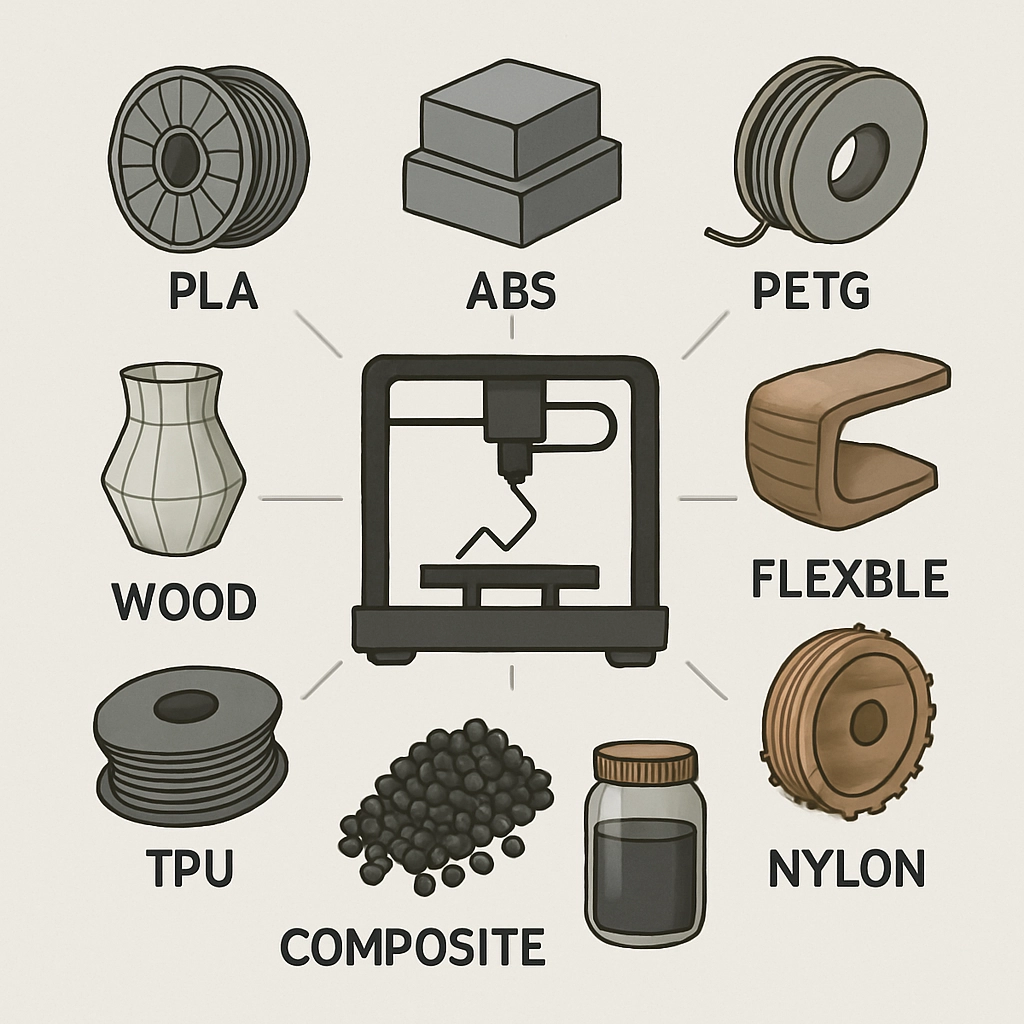
A Comprehensive Guide to 3D Printing Materials and Filaments
3D printing has taken the world by storm, and with it comes an array of materials to choose from. Whether you’re a hobbyist printing miniatures, an entrepreneur prototyping products, or a scientist researching complex geometries, understanding 3D printing materials and filaments can make or break your project. Let’s dive into the vibrant world of 3D printing materials and help you better understand your options.
The Basics of 3D Printing Filaments
At the heart of 3D printing are the filaments, the raw materials that are melted down and extruded to create layers of your object. The most common type of 3D printing is Fused Deposition Modeling (FDM), which uses these filament materials. Filaments typically come in spools and are available in various widths, though the standard is often 1.75mm or 2.85mm.
1. PLA (Polylactic Acid)
PLA is undoubtedly one of the most popular materials for 3D printing, especially among beginners. Made from natural sources like corn starch or sugarcane, it’s biodegradable and considered environmentally friendly. PLA is easy to work with, requires lower printing temperatures, and produces minimal odor while printing. It’s perfect for creating decorative items, prototypes, and even functional parts in lower stress applications.
However, while PLA is strong enough for many applications, it’s not incredibly heat resistant. Parts printed with PLA can become soft in high temperatures, which can be a deal-breaker for some projects.
2. ABS (Acrylonitrile Butadiene Styrene)
If you need something tougher, ABS is a fantastic option. Known for its durability, strength, and resistance to heat, ABS is often used in the automotive industry and for creating products like LEGO bricks. Printing with ABS can yield strong, functional models, but it does have a few quirks. It can be a bit tricky to work with due to warping and requires a heated bed to help keep the print adhered during cooling.
Most importantly, ABS emits fumes while printing—so proper ventilation is key when working with this material!
3. PETG (Polyethylene Terephthalate Glycol)
Enter PETG, the golden child of 3D printing materials! PETG combines the best aspects of both PLA and ABS. It’s easy to print like PLA but sturdier and more heat-resistant like ABS. This semi-flexible filament isn’t prone to warping and can produce parts that are both strong and visually appealing.
If you’re looking for a material that is food-safe, PETG is often considered to be a safer choice than some other filaments, making it a solid choice for kitchen gadgets or containers.
4. TPU (Thermoplastic Polyurethane)
For those who want to dabble in flexible materials, TPU is where it’s at! This filament is excellent for creating elastic objects. Think phone cases, wearable technology, or even toys that need to bend and flex. TPU prints can be a bit more challenging due to their flexible nature, which can cause issues in feeding through the printer. However, the results can be stunning and incredibly functional.
5. Nylon
When it comes to strength and durability, Nylon takes the cake. It’s tough, resilient, and perfect for creating functional parts that experience wear and tear. However, Nylon can be a fickle friend; it’s known for absorbing moisture from the air, which can lead to poor print quality. If you choose to work with Nylon, ensure you dry the filament beforehand and store it in a sealed container to keep it in top condition.
6. Resins
For those who are exploring SLA (Stereolithography) or DLP (Digital Light Processing) printing, resins are the way to go. These materials allow for high-detail prints and are commonly used for miniatures, dental applications, and jewelry. Resin printing involves careful handling, as the uncured resin can be toxic and requires post-processing to clean and cure the printed items.
Choosing the Right Material
Selecting the right material depends heavily on your project’s requirements. Do you need a sturdy and heat-resistant part? Go for ABS or Nylon. Looking for a beginner-friendly option? PLA will serve you well. If flexibility is key, TPU is your best bet. Think about the look, feel, and functionality of the final product.
In the end, the world of 3D printing materials is vast and exciting. As you explore different filaments, you’ll find that they each offer unique possibilities and challenges. Embrace the learning curve; trial and error are part of the creative process!
Happy printing!