


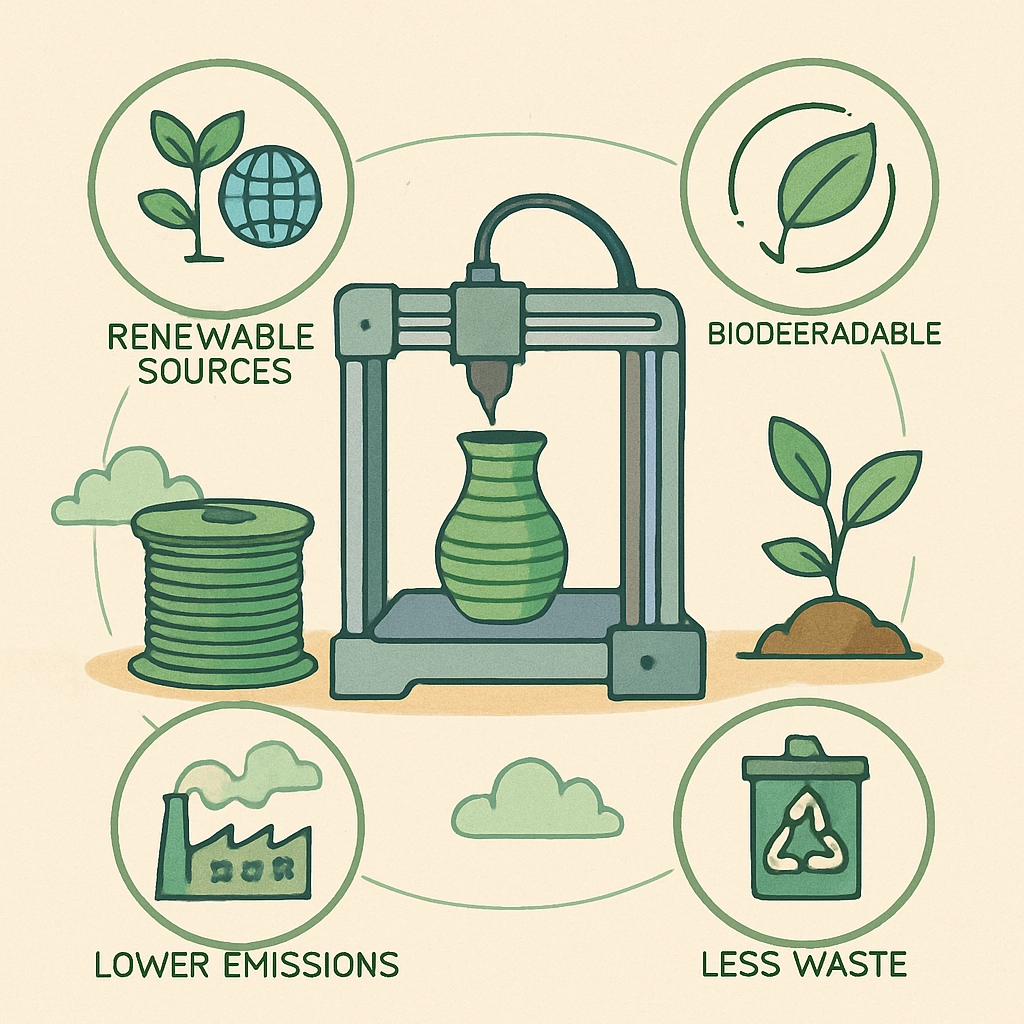
The Benefits of Using PLA and Other Eco-Friendly 3D Filaments
3D printing has exploded in popularity in recent years, and with it, a variety of materials have emerged. Among these, biodegradable filaments such as Polylactic Acid (PLA) have taken center stage—offering not just impressive print characteristics but also a chance to make environmentally conscious choices. If you’re an avid maker, creator, or just curious about the world of 3D printing, let’s dive into why using PLA and other eco-friendly filaments can be a game changer for your projects and the planet.
What is PLA?
First things first, let’s clear up what PLA actually is. PLA is a thermoplastic made from renewable resources, often derived from corn starch or sugarcane. Unlike traditional plastics that can take hundreds of years to break down, PLA can decompose within a few months under industrial composting conditions. This distinctive quality makes it a popular choice for those who want to enjoy the benefits of 3D printing without contributing to the harmful plastic crisis our planet faces.
Environmental Benefits
When you utilize PLA and other eco-friendly filaments, you’re doing your part to help the environment. One of the biggest advantages is the reduction of fossil fuel dependence. Traditional plastics often require petroleum as a primary component; conversely, PLA is created from renewable plant materials, making it a far more sustainable option.
Moreover, using biodegradable filaments helps reduce landfill waste. While traditional plastics can linger in environments for decades, PLA and similar materials can break down more naturally. Imagine your 3D-printed creations not sticking around longer than necessary—now that’s a comforting thought!
Quality and Versatility
Don’t let the “eco-friendly” label fool you; PLA is a high-performing filament that produces crisp details and vibrant colors, making it ideal for everything from intricate designs and toy prototypes to functional household items. Not only does it achieve a beautiful finish, but PLA is also easier to print compared to many other materials like ABS or nylon. It adheres well to most print surfaces and has a lower tendency to warp, allowing for hassle-free printing even for beginners.
Beyond PLA, there are a variety of other eco-friendly filaments worth mentioning. For example, PETG, another popular filament, is known for its strength and durability while also being recyclable. Other plant-based filaments like bamboo, coconut, and wood-reinforced materials not only provide unique aesthetic qualities but also offer the pleasure of working with something that is more in harmony with nature.
Healthier Indoor Air Quality
Another often-overlooked benefit of eco-friendly filaments like PLA is their impact on indoor air quality. Unlike some materials such as ABS, which can emit potentially harmful fumes during printing, PLA produces little to no odor, and it’s generally considered safe to use without a dedicated ventilation system. This can make a world of difference if you’re printing in a small home office, workshop, or classroom setting, allowing you to create without worrying about what’s floating around in the air.
Cost-Effectiveness
While some may be under the impression that organic, eco-friendly filaments come with a hefty price tag, PLA and other sustainable options have become increasingly affordable as 3D printing technology matures. As demand grows for environmentally friendly materials, more companies are stepping up their game and offering competitively priced options that don’t skimp on quality. Thus, you can enjoy the benefits of eco-conscious printing without breaking the bank.
Encouraging a Sustainable Mindset
Finally, choosing to use PLA and other eco-friendly 3D filaments can foster a broader mindset of sustainability. Each time you opt for biodegradable materials for your projects, you’re engaging in a conversation about responsible consumption and environmental stewardship. Not only does this decision impact your own projects, but it can also inspire others in your community to think critically about the materials they choose as well.
In a world increasingly aware of climate challenges and waste management issues, every small action counts. By embracing these eco-friendly options, you are taking a proactive step towards a greener future—not just for yourself, but for generations to come.
So next time you’re gearing up for a new 3D printing project, consider making the switch to PLA or another eco-friendly filament. With its blend of sustainability, quality, and versatility, it offers the potential to spark not just creativity, but also positive environmental change. And who knows? Your latest 3D creation might just inspire someone else to think a little greener, too!