


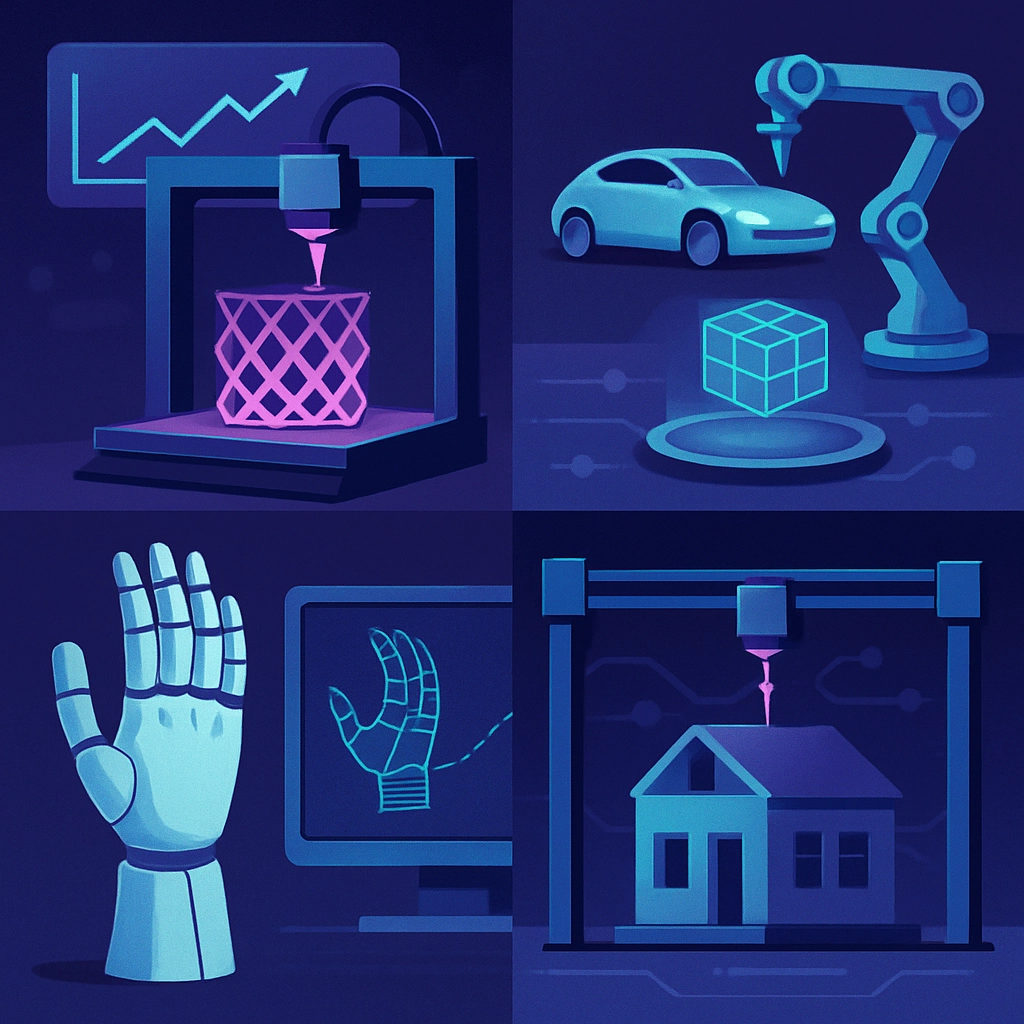
The Future of 3D Printing: Trends to Watch
3D printing, once just a concept that sparked the imaginations of tech enthusiasts, has rapidly evolved into a dynamic and transformative technology that’s infiltrating industries from healthcare to construction. As we look towards the future, it’s exciting to consider the emerging trends that could reshape the 3D printing landscape. Here’s a sneak peek into what’s coming next!
Material Innovations
One of the most thrilling aspects of 3D printing is the continual development of new materials. Over the years, we’ve moved from basic plastics to a diverse range of options, including metals, ceramics, and even bio-based materials.
In the future, we expect to see even more innovative materials that enhance functionality and versatility. For example, researchers are actively exploring materials that can self-heal, which could be revolutionary for everything from consumer goods to space engineering. Imagine a phone case that can literally mend itself if scratched!
Additionally, the rise of sustainable materials will likely take center stage as environmental awareness grows. Expect to see more biodegradable and recycled options making their way into the 3D printing realm, allowing both consumers and companies to reduce their carbon footprints.
Increased Personalization
Personalization has become a buzzword in many industries, and 3D printing is perfectly positioned to capitalize on this trend. As we move forward, expect to see a multitude of personalized products—everything from custom-fit footwear to tailor-made automotive parts.
Advancements in software and design tools will enable even everyday consumers to create their own unique designs. This shift will democratize access to customization, allowing individuals to express their tastes and needs in ways that were previously impossible—no more settling for generic options!
Prototyping and Supply Chain Efficiency
In the world of product development, time is money. Traditional manufacturing techniques can be cumbersome and slow, often leading to bottlenecks in the prototyping phase. 3D printing is poised to change that.
In the future, we’ll likely see an expansion of 3D printing in rapid prototyping, enabling businesses to create functional prototypes in a fraction of the time. This not only speeds up the development process but also allows for more iterative testing and improvements, leading to better products.
Additionally, 3D printing could revolutionize supply chains. By allowing for local production, companies can reduce reliance on overseas manufacturing, leading to shorter shipping times and a decrease in carbon emissions from transportation. The dream? Localized production hubs that can create what you need, when you need it.
Advancements in Tech Integration
As technology continues to advance, so too will the integration of 3D printing with other innovative solutions. We’re already seeing examples of this in industries like healthcare, where 3D-printed organs and prosthetics are becoming a reality. But this is just the beginning.
Imagine the potential of combining 3D printing with AI and machine learning. AI could help optimize designs and predict material behaviors, while machine learning might allow for comprehensive quality control, ensuring that each print meets the highest standards. This fusion of tech could lead to unprecedented capabilities in creating complex, functional designs that were once thought impossible.
Regulatory and Ethical Considerations
With great power comes great responsibility, right? As 3D printing becomes more ingrained in our daily lives, it will also raise important regulatory and ethical questions. From ensuring product safety to protecting intellectual property in a world where anyone can potentially replicate existing designs, these issues will need to be addressed.
In the healthcare sector, consider the ethical ramifications of 3D-printed organs. Who owns the rights to a printed organ? What regulations must be in place to ensure patient safety? As we advance, it’s crucial that we engage with these questions to create a responsible 3D-printing environment.
The Road Ahead
It’s clear that the future of 3D printing is not just about the technology itself but how it interacts with other spheres of our lives and industries. With innovative materials, increased personalization, enhanced efficiency in prototyping, and thoughtful regulatory frameworks, the next chapter of 3D printing holds endless possibilities.
Whether you’re a tech enthusiast or just curious about what’s next, keep an eye on this fascinating field. 3D printing has the potential to affect everything from how we shop and interact with products, to how we think about sustainability and customization. In the coming years, it will surely be interesting to see how these trends weave themselves into the fabric of our daily lives!