


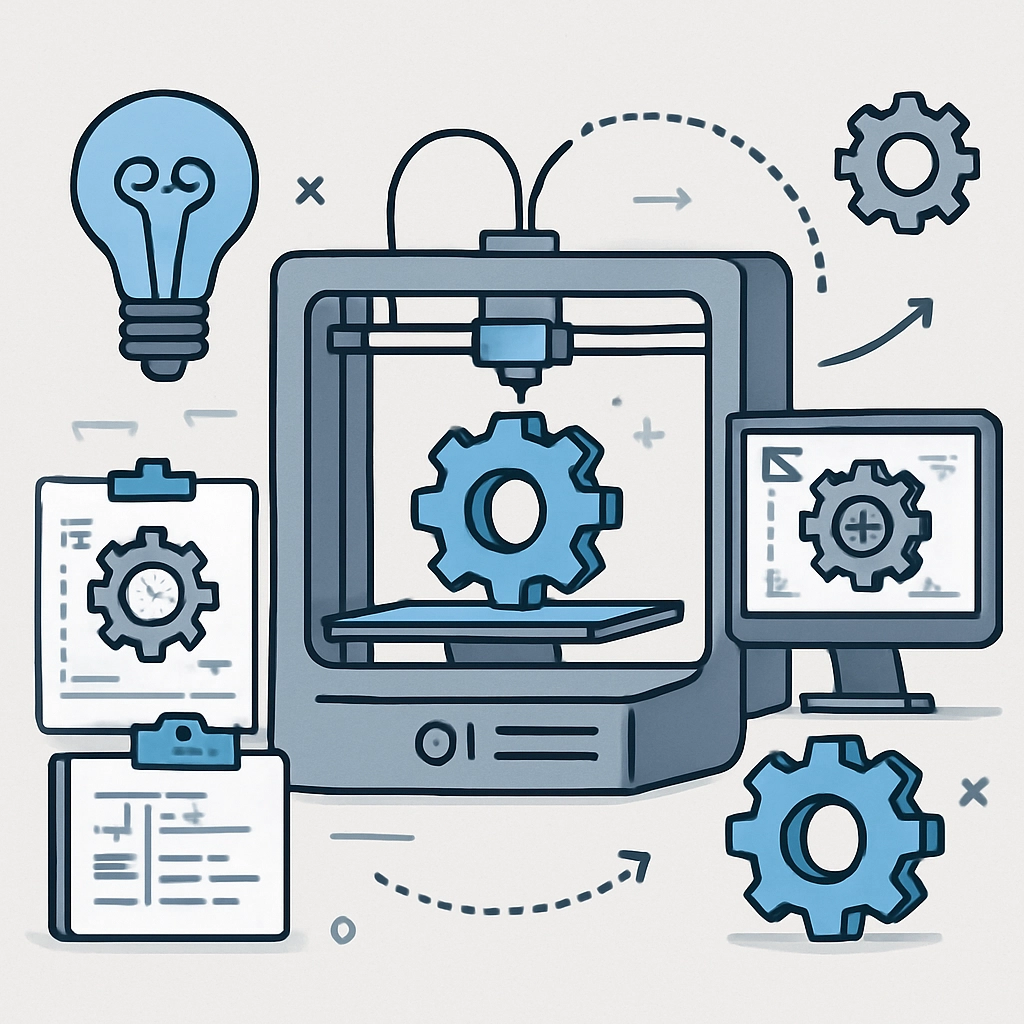
The Role of 3D Printing in Prototyping and Product Development
In today’s fast-paced world of innovation and technology, the way products are developed has transformed dramatically. Gone are the days when creating a prototype required vast resources and lengthy timelines. Enter 3D printing, a game changer that’s revolutionizing prototyping and product development across various industries.
The Basics of 3D Printing
Before diving into its impact on prototyping, let’s quickly cover what 3D printing actually is. At its core, this process involves creating a three-dimensional object from a digital file through an additive manufacturing technique. Instead of cutting away material to shape an object, 3D printing builds it layer by layer, allowing for intricate designs that traditional methods may struggle to achieve.
Why Prototyping Matters
Prototyping is an essential step in product development. It enables designers and engineers to bring their ideas to life and assess usability, functionality, and aesthetics before full-scale production. In the past, this process could take weeks or even months, involving multiple iterations and expensive materials. However, with the advent of 3D printing, companies now enjoy a much more agile approach.
Speed and Efficiency
One of the standout features of 3D printing in prototyping is its speed. Traditional prototyping methods often require extensive manual labor and take considerable time to create molds and casts. In contrast, 3D printing can produce prototypes in a matter of hours, allowing teams to quickly iterate their designs. This rapid development cycle is pivotal in industries like automotive and consumer goods, where time-to-market can significantly impact success.
Cost-Effectiveness
Developing prototypes using traditional methods can be a costly affair, especially for startups and small businesses with tight budgets. The tooling, materials, and labor involved can quickly add up. 3D printing reduces these costs significantly. Since it eliminates the need for complex tooling, companies can produce prototypes at a fraction of the traditional cost. This is especially beneficial for small-scale production runs, where the expense of manufacturing molds can make projects financially unviable.
Customization Capabilities
One of the more exciting aspects of 3D printing is its ability to produce highly customized prototypes tailored to the specific needs of a project. Whether it’s a unique ergonomic design for a handheld device or a specialized piece of medical equipment, 3D printing allows for personalization rather than a one-size-fits-all approach. This level of customization not only meets consumer demands more effectively but also leads to enhanced user experiences.
Design Flexibility
Traditional manufacturing processes often impose strict limitations on designers, making it difficult to create complex geometries. With 3D printing, these constraints are lifted. Designers can experiment with organic shapes and intricate structures that would have been nearly impossible to create using conventional methods. This freedom encourages creativity and innovation, driving the development of truly groundbreaking products.
Material Variety
Another significant advantage of 3D printing is the expansive range of materials available for prototyping. From plastics and metals to ceramics and even bio-materials, the possibilities are virtually endless. This diversity allows designers to choose materials that closely mimic the final product’s intended attributes, whether that’s lightweight strength, flexibility, or durability. These realistic prototypes facilitate better testing and refinement before production.
Testing and Iteration
3D printing empowers companies to test and iterate their designs more effectively. Instead of waiting for weeks to make small modifications, teams can print a new version on-demand, analyze its performance, and adjust their designs accordingly. This rapid iteration cycle fosters a culture of experimentation, which is crucial for honing products to meet market demands.
Driving Innovation
Perhaps the most significant impact of 3D printing in prototyping is its role in driving innovation. As barriers to entry lower with affordable and accessible technology, more creators and entrepreneurs can bring their ideas to life. Think of the DIY enthusiasts developing custom drones or the young inventors crafting equipment to tackle specific challenges in their communities. The ability to prototype efficiently encourages diverse experimentation and collaboration across sectors.
The integration of 3D printing in prototyping and product development is nothing short of revolutionary. By providing speed, cost efficiency, design flexibility, and customization, it empowers businesses to innovate more rapidly and effectively. As technology continues to evolve, we can expect even more exciting developments in this space, making it an essential tool for the future of product design and development. The future may very well be a world where your ideas can leap from concept to realization at a pace we’ve only just begun to imagine.