


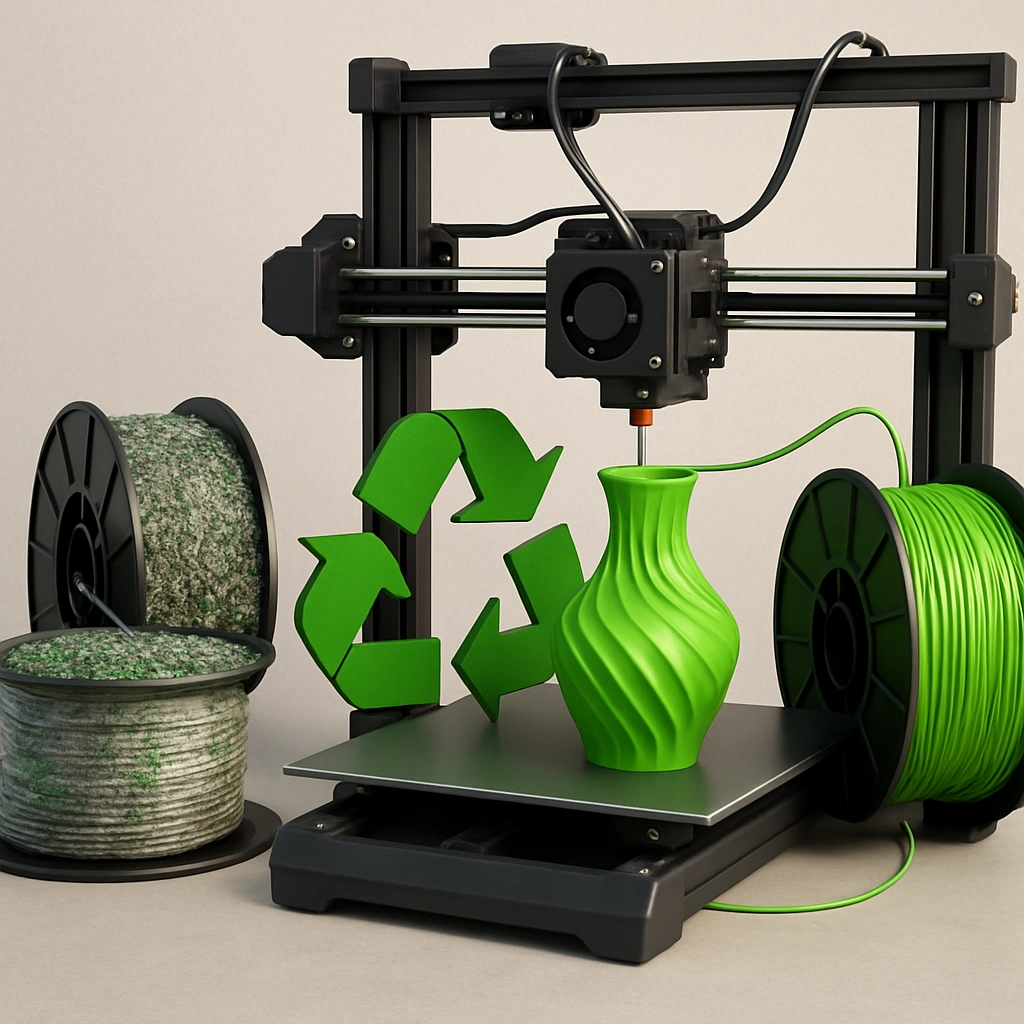
3D Printing with Filament Recycling: A Guide to Sustainability
As we continue to navigate the ever-changing landscape of technology and innovation, one prominent trend stands out: sustainability. In the realm of 3D printing, this need has led to the exploration of filament recycling, ensuring this exciting technology doesn’t come with a hefty environmental cost. If you’re curious about how to incorporate recycled materials into your 3D printing projects, stick around! We’re diving deep into the process, benefits, and practical tips to make filament recycling work for you.
Understanding Filament and Its Environmental Impact
To appreciate the importance of recycling filament, we first need to grasp what filament is and why it matters. Most 3D printers use plastic filament—typically derived from petroleum-based materials like PLA, ABS, or PETG. While these materials allow for incredible creativity and innovation, they also contribute significantly to plastic waste. Indeed, millions of tons of plastic end up in landfills every year, and the 3D printing community is no exception.
This brings us to filament recycling, a fascinating process that allows you to take failed prints, unused bits, and even plastic waste to create new filament. Not only does this approach minimize waste, but it also helps reduce the demand for virgin plastic.
The Benefits of Recycling Filament
Recycling filament offers numerous advantages. First and foremost, it reduces the amount of new plastic you need to purchase, helping to decrease your overall costs. It also opens up a creative avenue; using recycled materials means you can experiment with various textures and colors without guilt. Let’s not forget the positive environmental impact—by recycling, you’re contributing to a circular economy that promotes sustainability, resourcefulness, and resilience.
How to Get Started with Filament Recycling
So, how do you begin your journey into the world of filament recycling? Here are some essential steps to guide your way:
1. Gather Your Materials
First things first, collect all those failed prints or leftover bits of filament that you’ve accumulated during your 3D printing journey. It’s best to sort them based on material type, as using mixed materials can lead to complications during the recycling process.
2. Shred Your Filament
Next up, you’ll need to shred your collected plastic into smaller pieces. This process can be accomplished with a filament shredder—a machine designed to cut and grind plastic into manageable chunks. If you’re budget-conscious, some DIY enthusiasts even create their own shredders from old kitchen appliances or hand-crank devices.
3. Extrusion
Once you have your shreds, the next step is to turn those pieces into usable filament again. This requires a filament extruder, something that many makers purchase or create themselves. The extruder heats the plastic shreds, melting them into a flowing state before forming them into filament strands.
4. Calibrate Your Equipment
Getting the perfect diameter for your recycled filament can be tricky, requiring careful calibration of your extruder. It should end up around 1.75mm or 2.85mm in diameter, depending on your printer’s requirements. Testing is essential! Try printing some test models to ensure that the flow rate and consistency meet your printer’s standards.
5. Print with Your New Filament
Now, you’re ready to print! Be prepared to adjust settings based on the specifics of your recycled filament. You might notice slightly different behavior compared to standard filaments, so some trial and error could be needed. But the satisfaction of using your very own recycled filament? Totally worth it.
Tips for Successful Filament Recycling
-
Experiment: Don’t be afraid to mix different types of plastic to see what works best. Sometimes you’ll stumble upon fantastic combinations that produce unique filament.
-
Monitor Quality: Keep an eye on the quality of your filament. If it becomes brittle or full of bubbles, you may need to tweak your recycling process or materials.
-
Join a Community: Engaging with other makers can provide valuable insights. Online forums, Facebook groups, and local maker spaces are excellent places to share tips and bounce ideas off each other.
Final Thoughts
Diving into the world of filament recycling isn’t just a practical endeavor; it opens the door to creativity while stepping up for our planet. By implementing sustainable practices in 3D printing, you’re contributing to a community that values resourcefulness and innovation. As more and more makers pick up this eco-friendly habit, we inch closer to a world where technology and sustainability go hand in hand. So, gather those leftovers and start experimenting; a greener future might just be a print away!