


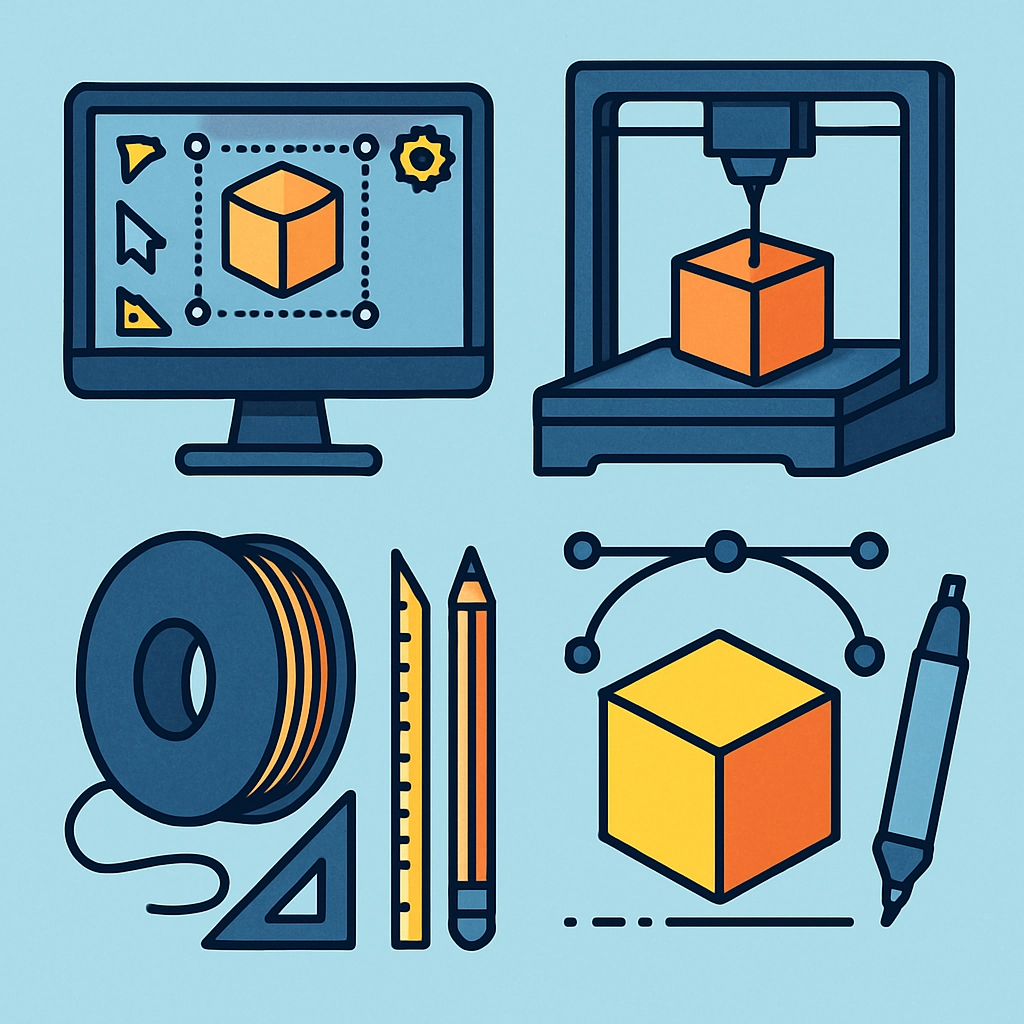
How to Teach Kids About 3D Printing and Design
In a world that’s rapidly evolving with technology, one of the most exciting innovations is 3D printing. It’s not just for industrial applications anymore; it’s become an amazing tool for creativity and learning, especially for kids! If you’ve been thinking about introducing your child to the world of 3D printing and design, you’re in for a treat. Here’s a friendly guide on how to inspire your young ones to embrace this incredible technology.
Start With the Basics
Before diving into the technical details, it’s essential to explain what 3D printing is in simple terms. You could say, “It’s like making your toys or parts out of plastic, layer by layer, using a machine.” A fun way to introduce the concept is by using real-life analogies. Think of it as baking a cake—layer by layer, frosting on top! You can start with some fun, kid-friendly videos online. There are plenty of engaging animations that simplify the process of how 3D printers work.
Encourage Creativity Through Design
Once the kids grasp the basics, it’s time to let their creativity shine. 3D design software can initially seem daunting, but thankfully, there are many kid-friendly applications available. Programs such as Tinkercad and SketchUp provide intuitive interfaces that make it easy for kids to create their designs.
Start with simple projects—maybe trying to create a name tag or a simple geometric shape. Encourage them to think about what they would like to create. Whether it’s a toy, a piece of jewelry, or something quirky, giving them the freedom to design will spur their imagination.
Hands-On Building
Once your little ones have created some digital designs, it’s time to bring them into the real world. If you don’t already have access to a 3D printer at home, check out local libraries or community centers, as many have them available for public use. Some businesses also offer 3D printing services where you can send your design and have it printed.
Watching a printer in action can be mesmerizing! Make sure to set up a dedicated space for the printing process, because it can get a bit noisy and might not be ideal for small living areas. Ensure you supervise the machinery closely, as safety is always a priority.
Explore Educational Resources
To deepen their understanding, encourage kids to explore online resources. Websites like YouTube offer countless tutorials ranging from the basics of 3D modeling to specific projects. You might also find interesting courses designed for kids on platforms like Udemy or Khan Academy that cover both 3D printing and design.
Books are another fantastic way to support learning. There are many illustrated books on 3D printing for kids that describe various projects they can tackle, alongside tips and tricks for getting the most out of their designs.
Join a Community
Sometimes, the best way to learn is alongside others. Look for local 3D printing clubs or workshops tailored for kids. This not only builds their technical skills but also fosters social interactions. Being part of a community will help them gain different perspectives on design and printing, and who knows, they may even make new friends who share a passion for tech!
Emphasize Problem Solving
A giant part of design is problem-solving. Encourage kids to think about how they can improve their designs. Did something break while testing? How could they redesign it for durability? This process teaches critical thinking and encourages a growth mindset—an essential skill in many areas of life.
Reflect on Projects
After completing a project, take the time to sit down with your kids and discuss what went well, what didn’t, and how they could do things differently next time. This reflective process encourages a mindset of continual improvement and resilience.
Inspire Future Innovators
Getting kids involved in 3D printing is more than just a fun activity; it’s an opportunity to inspire innovation and creativity. By imparting these skills, you’re helping them tap into a future of possibilities, where they can create solutions and express their unique ideas in tangible forms.
So, roll up your sleeves and enter this exciting realm with your kids! You might just discover a new hobby together, and who knows, you could be nurturing the next generation of engineers, designers, or artists right in your home!