


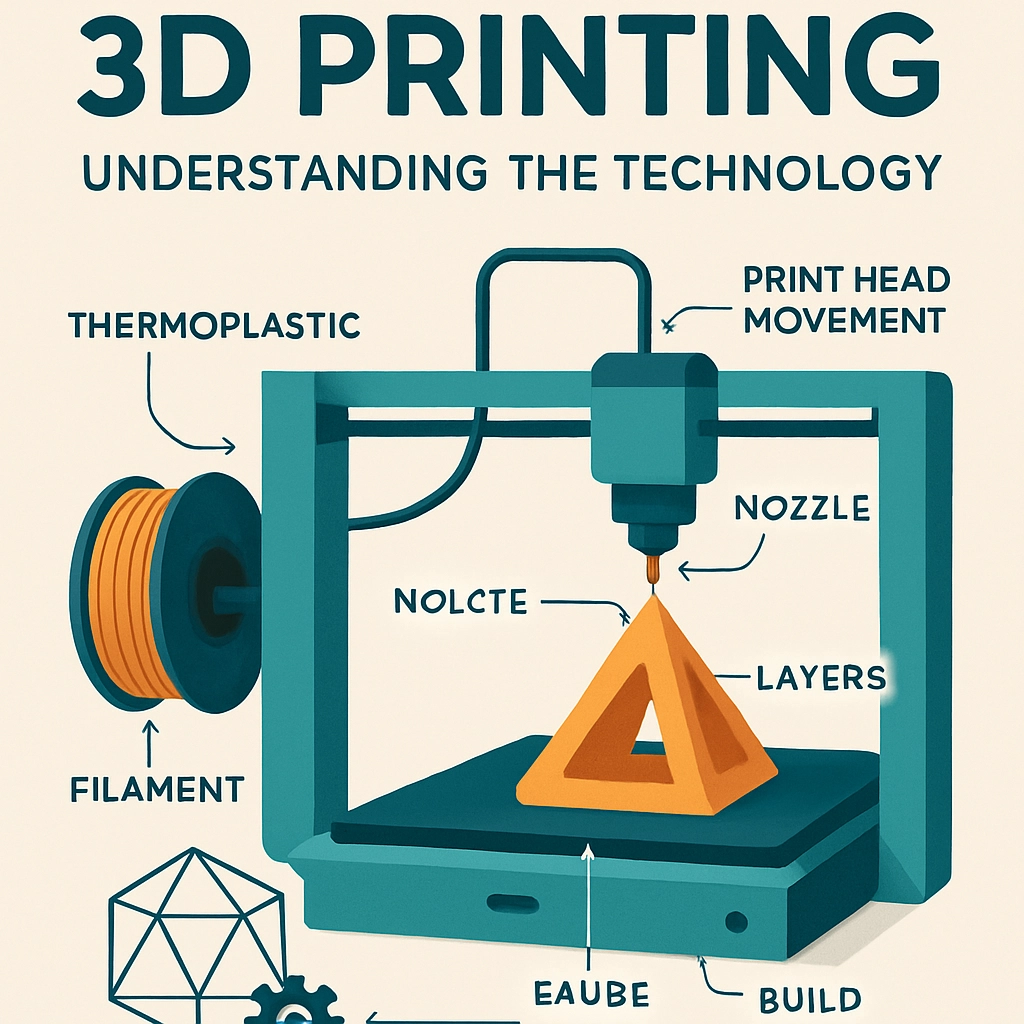
The Science Behind 3D Printing: Understanding the Technology
In recent years, 3D printing has evolved from a futuristic concept into a practical tool that many people use every day. But what exactly is 3D printing, and how does it work? Let’s take a deep dive into the science behind this revolutionary technology.
What is 3D Printing?
At its core, 3D printing, also known as additive manufacturing, is a process that creates three-dimensional objects layer by layer from a digital file. Unlike traditional manufacturing techniques that often involve subtracting material (like cutting or drilling), 3D printing adds material until the object is complete. It’s a cool way of turning digital designs into tangible items, whether they’re prototypes, medical implants, or even intricate sculptures.
How Does It Work?
The magic begins with a 3D model, which can be created using computer-aided design (CAD) software or by scanning existing objects. This model is then sliced into hundreds or thousands of thin horizontal layers using slicing software. Each layer represents a cross-section of the final product. Once that’s done, the actual printing can begin!
The printing process often utilizes various materials, including plastics, resin, metals, and even biological substances, depending on the application. There are several methods of 3D printing, but the most common ones include:
Fused Deposition Modeling (FDM)
FDM is arguably the most well-known type of 3D printing. In this process, a thermoplastic filament (think of it as a long string of plastic) is heated to its melting point and extruded through a nozzle. The printer moves the nozzle up, down, and side-to-side, laying down material layer by layer. The result is a solid structure forming gradually as each layer cools and solidifies.
Stereolithography (SLA)
SLA uses a different approach. It employs a vat of liquid resin that’s cured by ultraviolet (UV) light. The build platform submerges into the resin pool, and the UV light selectively hardens the resin layer by layer. This method often provides a higher level of detail and smoother finishes, making it popular for intricate designs and prototypes.
Selective Laser Sintering (SLS)
SLS is another fascinating technique that involves using a powerful laser to fuse small particles of powdered material, typically plastic, metal, or glass. The laser scans the surface of the powder bed, bonding the particles together and building up the object from the bottom up. This method is particularly advantageous for creating strong and durable parts that don’t require support structures.
Practical Applications
3D printing isn’t just a cool gadget for hobbyists; it’s finding its way into various industries. Here are a few areas where 3D printing is making a significant impact:
-
Healthcare: Custom prosthetics, dental implants, and even bio-printed tissues are all possible due to 3D printing. This technology allows for bespoke solutions tailored to individual patients, leading to better and more effective outcomes.
-
Aerospace: The aerospace industry is utilizing 3D printing to produce lightweight parts, which contributes to fuel efficiency. Components can be created faster and more efficiently, reducing production time and costs.
-
Fashion: Designers are incorporating 3D printing into fashion, creating unique and intricate garments and accessories that were once impractical to manufacture using traditional methods.
-
Education: 3D printing is being embraced in classrooms, allowing students to bring their ideas to life and engage in hands-on learning. It fosters creativity and offers a tangible way to understand complex concepts.
The Future of 3D Printing
The possibilities with 3D printing are virtually limitless. As technology advances, we’ll likely see improvements in speed, material variety, and scalability. We’re already starting to see trends like on-demand printing, which could change how we think about inventory and supply chains. Instead of shipping physical products, businesses might print items as they’re ordered, reducing waste and transportation costs.
In a world where customization is becoming increasingly valued, 3D printing offers a unique advantage. It enables creations that cater to individual needs, preferences, and specifications—turning personal visions into reality.
While the technology is still developing, the implications are exciting. We’re living in an era where imagination can seamlessly merge with reality. As we embrace this innovative approach to manufacturing, who knows what creations will emerge next? Whether it’s a quirky home decor piece or life-saving medical device, the world of 3D printing is just getting started.