


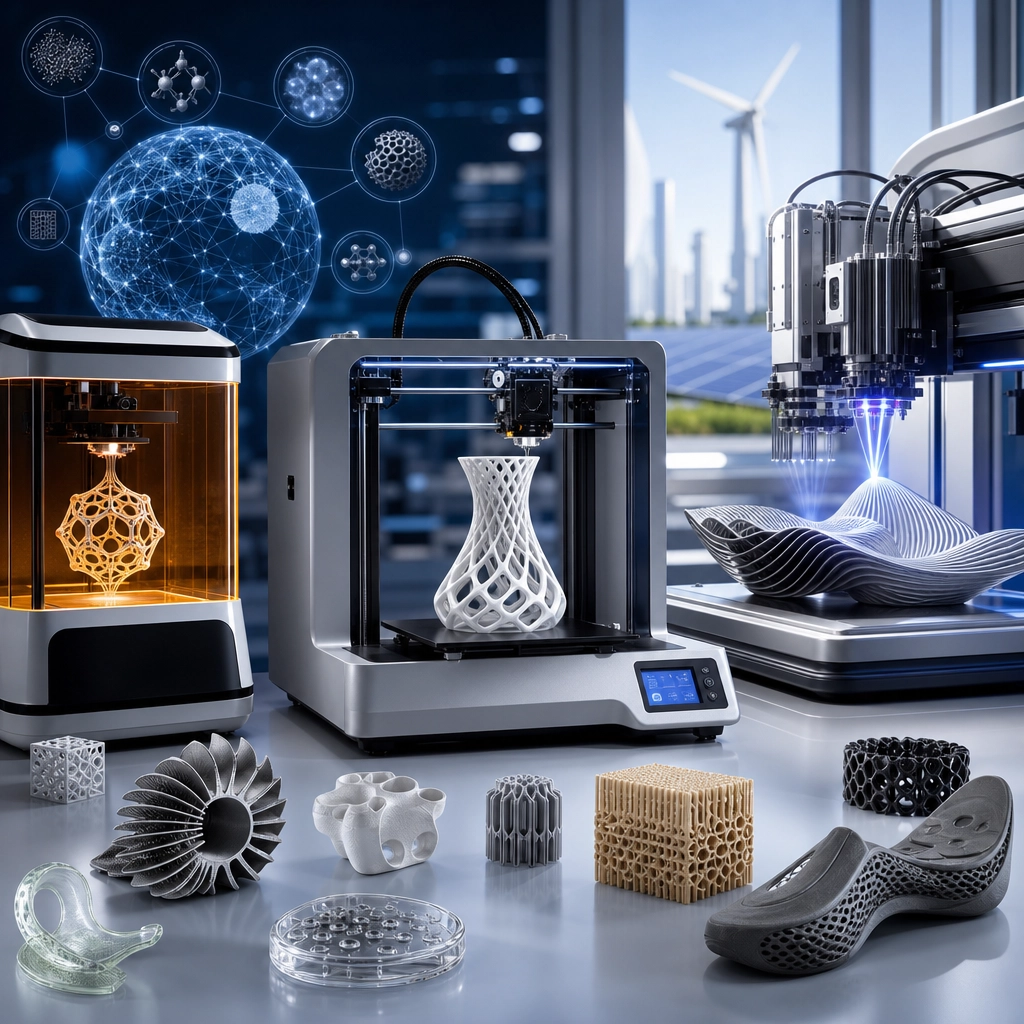
Emerging Trends in 3D Printing: What’s Next?
3D printing has come a long way since its inception in the 1980s, but we’re truly just scratching the surface of what this technology can achieve. With each passing year, the capabilities of 3D printers become increasingly sophisticated, opening doors to a world of potential that’s undeniably exciting. So, what’s next for 3D printing? Let’s dive into some of the most promising trends that are shaping this innovative field.
Sustainable Materials
One of the most pressing issues we face today is sustainability, and the 3D printing industry is taking notice. New bio-based and recycled materials are emerging as viable options for printing. Think about it: rather than relying on traditional plastics, which are notorious for their environmental impact, 3D printers can use materials made from agricultural waste, plant fibers, and even recycled plastics. This trend not only minimizes waste but also boosts the circular economy, allowing us to make use of materials that would otherwise end up in landfills.
For example, companies like Refil and Biofabricate are creating filaments that are not just eco-friendly but also biodegradable, representing a significant step towards more sustainable production practices. As consumer awareness grows and demand for eco-conscious products increases, we can expect a surge in the adoption of these materials in the coming years.
Medical Innovations
The healthcare sector is one area where 3D printing is making waves. Custom prosthetics and implants tailored to fit individual patients are becoming more commonplace, driven by the technology’s ability to craft intricate designs that would be impossible through traditional manufacturing techniques. Imagine a prosthetic limb perfectly shaped for a patient’s unique anatomy, resulting in better comfort and functionality.
Additionally, 3D printing is making strides in creating bioprinted organs and tissues. While we may not be at the point of printing entire organs just yet, researchers are making incredible progress in bio-printing structures like skin and cartilage. This could revolutionize transplantation processes and reduce the need for donor organs. The possibilities are vast, and it’s exciting to think about the role 3D printing will play in the future of medicine.
Aerospace and Automotive Applications
3D printing is also rapidly gaining traction in high-performance industries like aerospace and automotive. The ability to create lightweight yet durable components can significantly enhance fuel efficiency and performance. Companies like Boeing and General Motors are already incorporating 3D-printed parts into their manufacturing processes to minimize weight and reduce costs.
Innovations in metal printing are particularly noteworthy; using materials like titanium and aluminum, manufacturers can produce components that are both incredibly strong and lightweight. This revolutionization of manufacturing techniques could lead to entirely new designs that were previously unimaginable. Imagine crafting complex, highly optimized geometries that maximize performance while minimizing waste—the future looks bright!
Customization and Personalization
In a world where consumers increasingly seek unique products that cater to their personal preferences, 3D printing shines brightly by offering customization on a scale never seen before. Whether it’s tailored sneakers, bespoke jewelry, or even customized furniture, the ability to create personalized items is an appealing prospect.
Some companies are already harnessing this trend by allowing customers to co-design their products online before they’re printed specifically for them. This not only gives consumers a sense of ownership but also speaks to the growing demand for individualized goods in all markets. As we continue to embrace a more personalized world, 3D printing will undoubtedly play a significant role in meeting these desires.
Education and Accessibility
Education is another area where 3D printing is gaining momentum. Schools and universities are increasingly incorporating 3D printing into their curriculums. It encourages creativity, problem-solving, and engineering skills among students, making learning hands-on and engaging. With the decreasing cost of printers and materials, these technologies are becoming more accessible to a wider range of institutions.
Moreover, as platforms that offer online courses in 3D design and printing proliferate, more individuals are learning how to harness the potential of this technology for personal projects or careers. The democratization of 3D printing means that anyone—from hobbyists to aspiring entrepreneurs—can bring their ideas to life.
The world of 3D printing is evolving at breakneck speed and continues to unfold new possibilities. From sustainability to personalized products and revolutionary medical innovations, the trends we are witnessing today are just the tip of the iceberg. As we look toward the future, one thing is clear: 3D printing is not just a technology; it’s a gateway to creative expression, efficiency, and a more sustainable world. Whatever the next big breakthrough may be, one thing is certain: the landscape of manufacturing, health, and design will never be the same.