

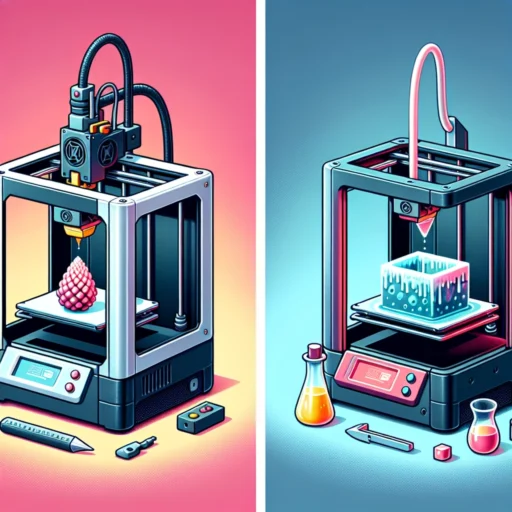
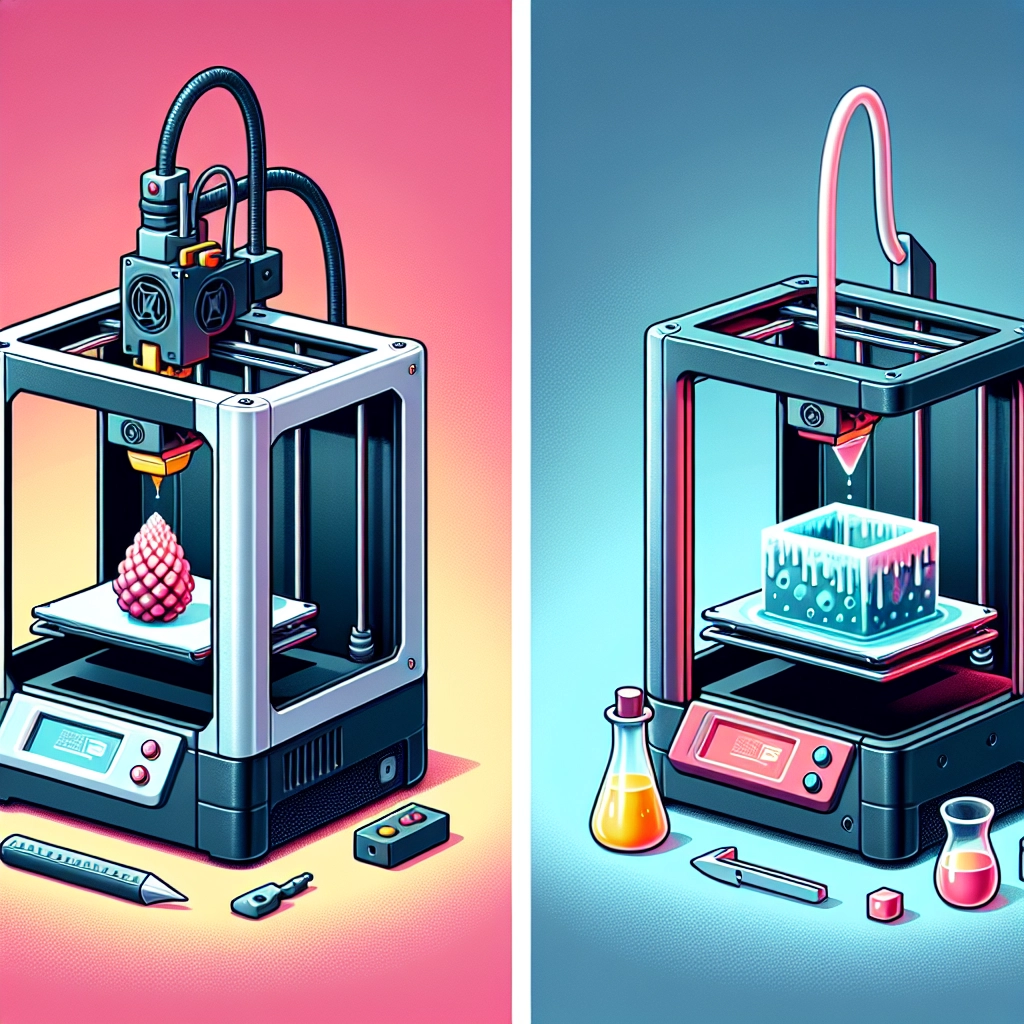

Understanding Different 3D Printer Technologies: FDM vs SLA
In the past decade, 3D printing has revolutionized the way we think about manufacturing, prototyping, and even art. Whether you’re a hobbyist or a professional, having a solid understanding of different printing technologies can help you choose the right printer for your needs. Among the most popular technologies are Fused Deposition Modeling (FDM) and Stereolithography (SLA). So, what’s the difference, and which one might be the best fit for you?
FDM: The People’s Choice
FDM, or Fused Deposition Modeling, is one of the most widely used 3D printing technologies, especially among hobbyists and DIY enthusiasts. The process is relatively straightforward, and the materials used tend to be more affordable, making it accessible for everyone from beginners to seasoned pros.
How It Works
The FDM process involves melting a thermoplastic filament and extruding it through a heated nozzle to build up a three-dimensional object layer by layer. The print bed gradually lowers after each layer is completed, allowing another layer to be deposited on top. This layer-by-layer approach is what makes FDM unique and, while it can create intricate designs, results may depend greatly on the printer’s precision.
Material Versatility
One of the standout features of FDM printers is the variety of filament materials available. From classic PLA and ABS to more specialized materials like PETG and flexible TPU, there’s a filament out there for almost every project. PLA is especially popular for its ease of use and environmental friendliness, while ABS is favored for its strength and impact resistance.
Limitations
While FDM printing is great for many applications, it does have its downsides. The layer lines are often more visible, leading to a less smooth finish compared to other methods. Additionally, complex geometries may require supports, which can complicate post-processing.
SLA: Precision at Its Best
On the other hand, Stereolithography (SLA) is another impressive technology that has gained traction, particularly in professional settings. SLA printers use a resin-based approach and are known for their exceptional detail and smooth finishes.
How It Works
SLA printers use a UV laser or light source to cure liquid resin into a hardened plastic. The building platform starts submerged in a vat of resin, and the printer exposes specific layers of resin to UV light, curing it and allowing it to harden. Similar to FDM, this print occurs layer by layer, but the result is a far more detailed and intricate final product.
High Definition and Quality
SLA printing is well-known for producing highly detailed prints with a smooth finish. This makes it the go-to choice for professionals in industries like jewelry design and dental applications, where intricate details are paramount. The resin used in SLA printing can also provide a variety of material properties, from flexibility to rigidity.
Cost and Setup
On the downside, SLA printers tend to be more expensive than FDM printers, both in terms of initial investment and ongoing material costs. The resins can also be more challenging to work with; they require careful handling and extra steps in post-processing, such as washing and curing. Additionally, the smell of the resin can be strong, so a well-ventilated workspace is essential.
Choosing the Right Technology
When determining whether to go with FDM or SLA, consider what you plan to create. If you’re looking for a budget-friendly option for prototypes, models, or simple designs, FDM might be your best bet. It’s user-friendly and requires minimal setup. Plus, it’s a great launcher for creative experimentation.
On the other hand, if your aim is to produce objects that require incredible detail or fine finishes—think miniatures, intricate jewelry, or detailed prototypes—then SLA could be worth the investment. The superior quality and detail often outweigh the higher cost for professionals in design and manufacturing.
The Best of Both Worlds
If you find it hard to choose just one, don’t fret! Many enthusiasts and professionals own both types of printers to leverage the unique advantages of each technology. With FDM for larger, less detailed objects and SLA for those projects that need that extra finesse, you can have the best of both worlds.
Ultimately, the choice between FDM and SLA depends on your personal needs and goals. Both technologies have their unique strengths and possible downsides, but what matters most is how they fit into your creative journey in the exciting world of 3D printing!


