

From Hobby to Business: Turning Your 3D Printing Passion into Profit
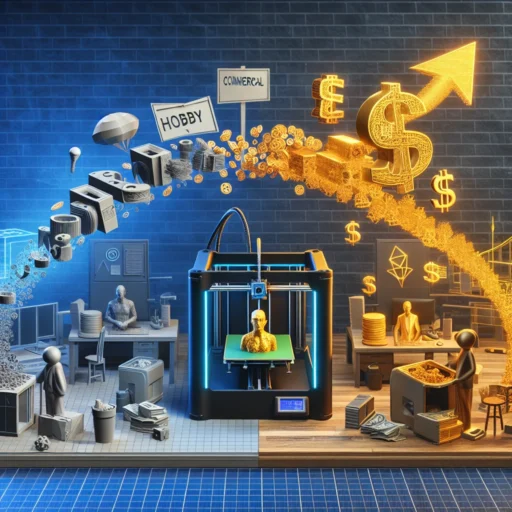
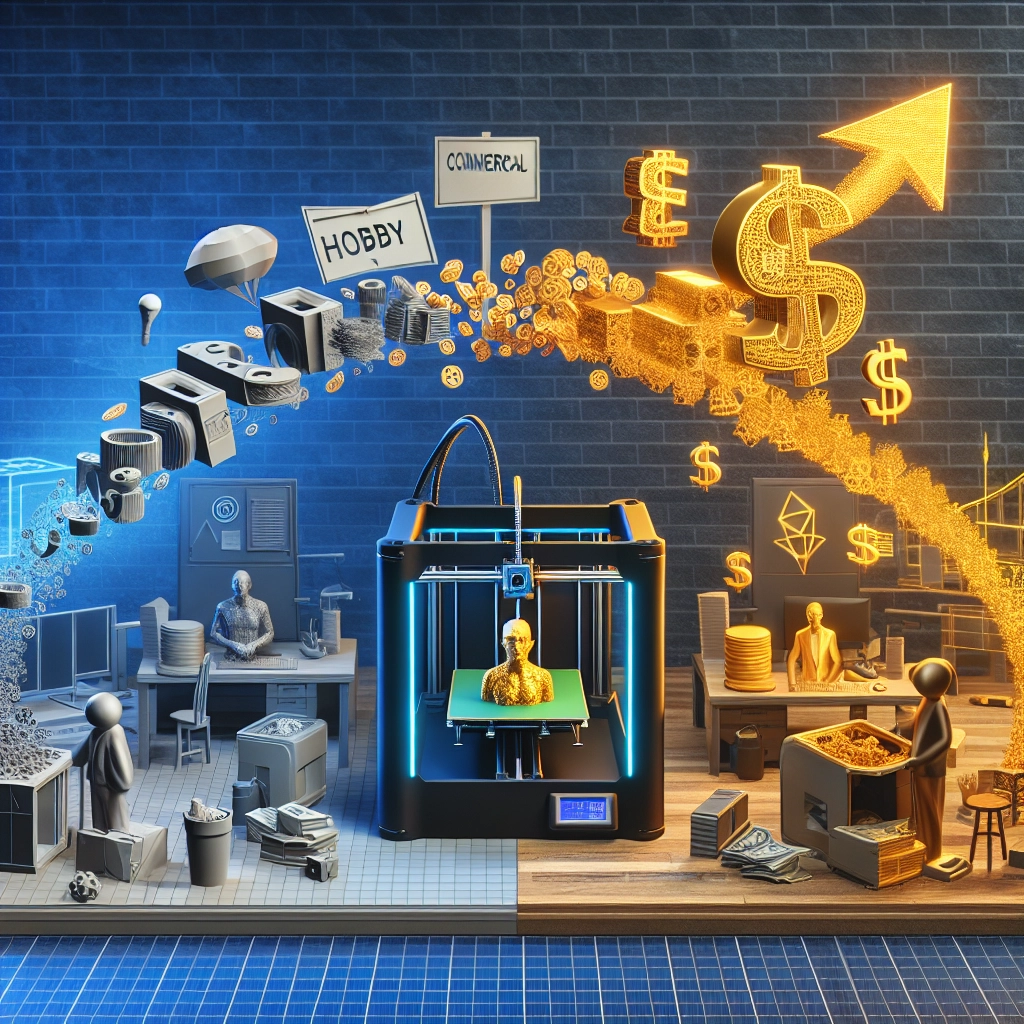
If you’re reading this, chances are you’ve dipped your toes into the fascinating world of 3D printing. Maybe you’re churning out useful gadgets for around the house, crafting intricate designs, or even dabbling in artistic projects. Whatever the case, it’s safe to say that you’re embracing one of the most exciting technological marvels of our time. But have you ever considered transforming that passion into a full-fledged business? Let’s explore how you can take your hobby of 3D printing and turn it into a source of income.
Understand Your Strengths and Market Demands
Before jumping in headfirst, take a moment to reflect on what you do best in 3D printing. Do you enjoy creating custom phone cases, unique jewelry, or perhaps miniatures for tabletop games? Identifying your strengths will help you carve out a niche in the ever-competitive market.
Next, delve into market research. Check out what products are trending, what potential customers are actively seeking, and where there might be gaps in the market that you can fill. Platforms like Etsy or Amazon can give you insights into pricing, demand, and customer preferences. Understanding these elements will save you time and money in the long run.
Build Your Portfolio
Every artist needs a portfolio, right? In 3D printing, this means developing a solid collection of designs that showcase your skills and creativity. Start with your best work and make sure to take high-quality photos. When potential customers can see the detail and craftsmanship that goes into each piece, they’re more likely to be interested. Consider creating a personal website or using social media platforms to showcase your work. Instagram and Pinterest are fantastic for visual content and can attract an audience that appreciates what you have to offer.
Invest in the Right Equipment
If 3D printing is your jam, then investing in quality equipment can really set you up for success. Depending on your niche, this can range from upgrading your printer to buying specialized filaments or even additional tools that help in the post-processing of prints. While it might be tempting to stick with your current setup, remember: the quality of your designs directly impacts your reputation and ultimately, your business success.
However, you don’t need to break the bank! There are plenty of budget-friendly options out there. As you grow and learn more about your specific market needs, you can gradually invest in higher-end equipment.
Set Up Your Online Store
Once you have a collection of products, it’s time to set up shop! E-commerce has never been easier, with platforms like Shopify, Etsy, and even eBay providing user-friendly interfaces to get you started. When setting up your online store, think of it as your business’s front door; it should be inviting, simple to navigate, and showcase your brand.
Don’t forget to add clear descriptions and high-quality images of your products. A compelling product description can help customers connect with your work, making them more likely to hit that “buy” button.
Marketing Your Business
In this digital age, having an online presence is crucial. Use social media as a tool to reach out to potential customers, share behind-the-scenes looks at your printing process, and foster a community around your brand. You can join relevant groups, participate in online forums, or even collaborate with other creators to broaden your reach.
Consider blogging about your 3D printing journey, tips, or special projects. Search engine optimization (SEO) can help your articles gain visibility, driving organic traffic to your website. The more people see your work, the more likely they are to purchase!
Embrace Feedback and Adapt
Once you launch your business, be open to customer feedback. Each comment or review can provide valuable insights that help you improve and adapt. Don’t shy away from making changes based on constructive criticism. Perhaps customers want a specific design, or they might suggest alterations that make your products even better. Listening to your audience is key to building lasting relationships and enhancing your offering.
Scale and Expand
As your business begins to take off, you might want to think about scaling. This could mean creating new designs, exploring additional markets, or even collaborating with influencers. Consider what’s next for you — perhaps offering custom designs or diversifying into different types of printing, like resin prints or larger-scale projects.
Turning your 3D printing hobby into a viable business can be a fulfilling journey filled with creativity and innovation. By tapping into your passion, building a strong portfolio, setting up an online presence, and being receptive to feedback, you can carve out a space in the evolving 3D printing market. It’s an exhilarating time to be in this industry, and with dedication and strategy, you might just find yourself thriving in a business that started as a simple hobby. So go ahead, unleash your creativity, and let your entrepreneurial spirit soar!