


Exploring the Different Types of 3D Filaments Available
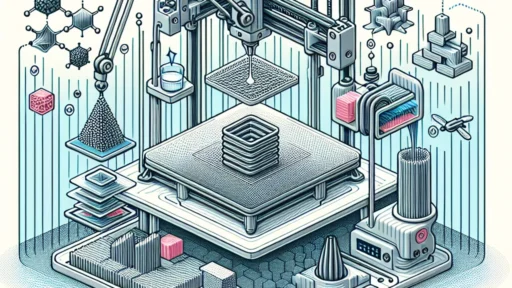
3D printing has soared in popularity over the past few years, allowing hobbyists and professionals alike to bring their creative visions to life. At the heart of this fascinating technology are 3D filaments—the materials that shape our creations. If you’re diving into the world of 3D printing or just curious about the various materials available, this guide will walk you through the diverse types of 3D filaments and what makes each one unique!
PLA (Polylactic Acid)
Let’s kick things off with one of the most common and user-friendly filaments: PLA. Made from renewable resources like corn starch, PLA is biodegradable and environmentally friendly, making it a favorite among newcomers to 3D printing. It’s easy to work with, produces minimal odor when heated, and delivers excellent detail, which is why it’s often recommended for beginners.
PLA is great for a wide range of projects, from prototypes to decorative items, but it’s important to note that it can be brittle. While it’s not the best choice for functional parts that require strength and flexibility, it serves as a fantastic material for models and figurines.
ABS (Acrylonitrile Butadiene Styrene)
Next up, let’s talk about ABS. Known for its toughness and impact resistance, ABS is a sturdy option that can be used for functional parts and prototypes. It’s the same material used in many household items, like LEGO bricks, which speaks to its durability.
However, ABS does require a higher printing temperature, and it can emit fumes that are less than pleasant. That’s why it’s essential to print in a well-ventilated space. If you do this, you’ll be rewarded with strong parts that can hold up over time, especially if you’re looking to create items that experience wear and tear.
PETG (Polyethylene Terephthalate Glycol)
If you’re looking for a happy medium between PLA and ABS, PETG might just be your new best friend. PETG is known for its good balance of durability and flexibility, making it an excellent option for various applications. It combines the ease of use found in PLA with the strength of ABS, resulting in a filament that’s just as easy to print but can handle more stress.
Moreover, PETG is resistant to moisture and chemicals, making it an excellent choice for projects that might encounter harsher environments. Plus, it’s less prone to warping compared to ABS, which can save you a lot of headaches during the printing process.
TPU (Thermoplastic Polyurethane)
When you need something stretchy and flexible, TPU is the go-to filament. This elastic material is perfect for creating items like phone cases, custom gaskets, and other parts that benefit from flexibility. However, printing with TPU does come with its unique set of challenges. The filament can be tricky to work with because it tends to be softer and easily deformed, which requires careful attention to printing settings.
If you take the time to adjust your printer accordingly, you’ll find that TPU opens up a whole new world of creative possibilities that you might not have considered before.
Nylon
Now, let’s throw Nylon into the mix—another versatile option in the world of 3D printing. Known for its strength and durability, Nylon is often used in situations where parts require high impact resistance and flexibility. It’s commonly used for functional components in engineering applications, thanks to its excellent wear resistance.
However, printing with Nylon can be a bit complicated. It tends to absorb moisture from the air, which can lead to issues during the printing process. To combat this, it’s essential to keep it stored in a dry environment and consider upgrading your printer with a filament dryer if you plan on using it frequently.
Specialty Filaments
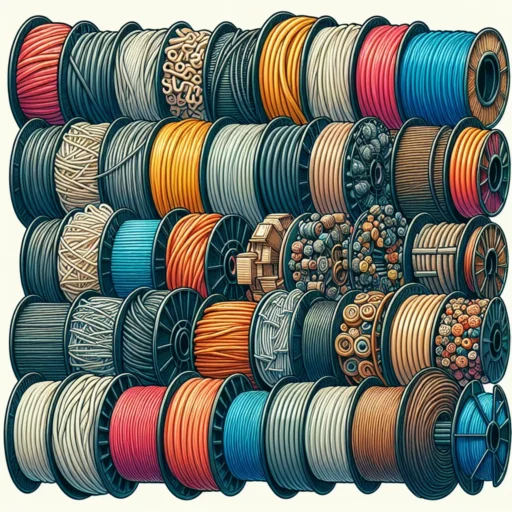
Beyond the classics, there’s a fascinating world of specialty filaments that add flair and unique properties to your prints. For instance, you can find filaments infused with wood or metal, which create stunning aesthetics and textures. There are even glow-in-the-dark filaments, which can add a fun twist to your projects.
Each specialty filament brings its unique characteristics, but keep in mind that they often require specific print settings to get the best results.
Conclusion
With so many options available, choosing the right filament for your 3D printing project can be a game-changer. Whether you opt for the environmentally friendly PLA, the rugged ABS, the balanced PETG, the stretchy TPU, or the industrial-grade Nylon, each material opens doors to different possibilities. As you explore these filaments, don’t hesitate to experiment and discover the exciting results that various materials can bring to your creative process. The journey into 3D printing is as rewarding as the final product, and your next masterpiece awaits!