


Understanding the Different Types of 3D Filaments Available
When you think about 3D printing, one of the first things that comes to mind is filaments. After all, they’re the colorful strands that bring your digital designs to life! With so many choices available, understanding the different types of 3D filaments can feel a bit overwhelming, especially for beginners. Don’t fret! Let’s break it down in a friendly, approachable way to help you choose the right filament for your next project.
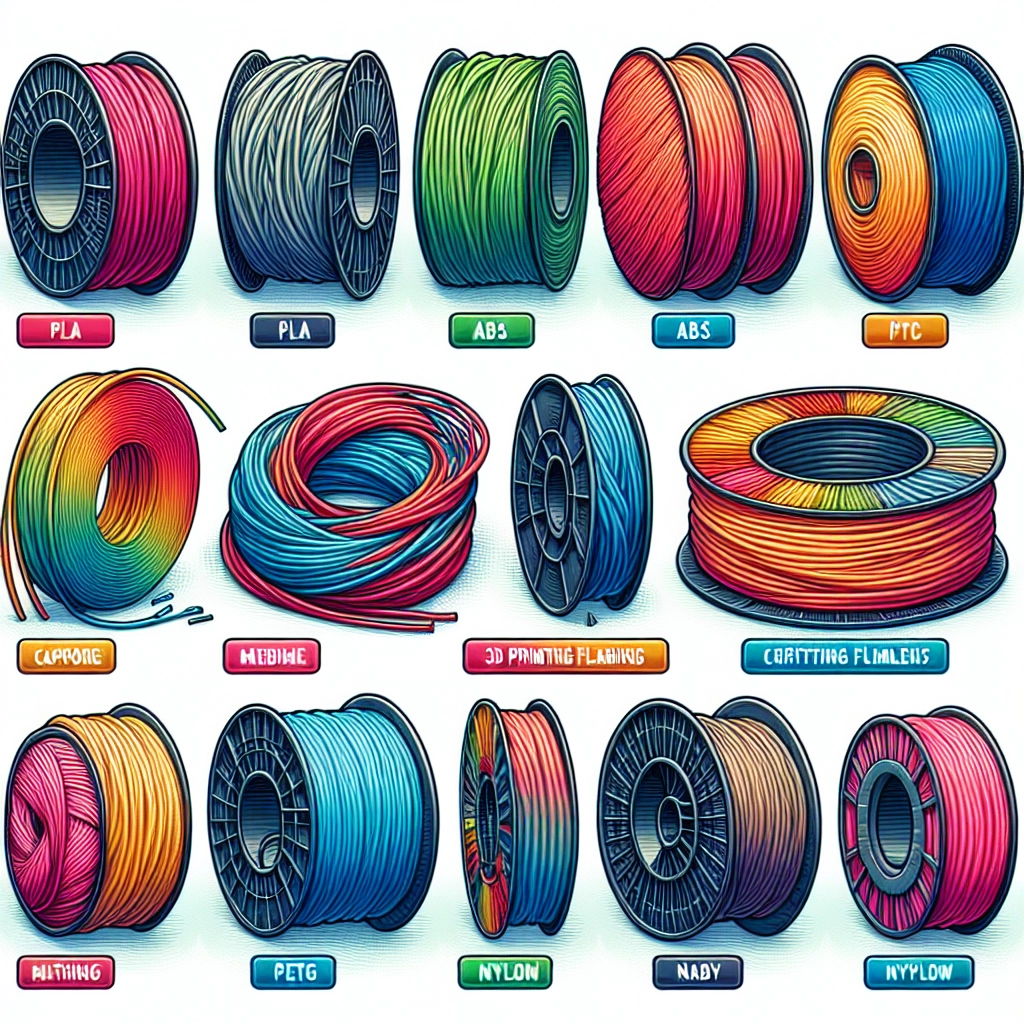
PLA (Polylactic Acid)
PLA is arguably the most popular filament among hobbyists and enthusiasts. It’s a biodegradable, plant-based plastic that’s not only eco-friendly but also easy to use. It requires a lower extrusion temperature, making it perfect for those just starting their 3D printing journey. Plus, it comes in a dazzling range of colors and finishes, giving your prints a vibrant look!
However, while PLA is great for detail and aesthetics, it does have its limitations. It isn’t the most durable option and can be prone to warping under high heat, so steer clear if you’re planning to print objects that will be exposed to high temperatures or heavy use.
ABS (Acrylonitrile Butadiene Styrene)
If you need something a bit more robust, ABS might be the filament for you. Known for its strength and durability, ABS is the same material used to make Lego bricks! It can withstand heat much better than PLA, making it suitable for items that need a bit of extra toughness. However, it’s worth noting that ABS can release fumes during printing, so proper ventilation is a must.
ABS has a higher printing temperature, which might make it trickier for novices, but with the right settings and a heated print bed, you can achieve some excellent results. It also sands well, making it a solid choice for post-processing your prints.
PETG (Polyethylene Terephthalate Glycol-modified)
PETG is a favorite for those who want a balance between the ease of PLA and the strength of ABS. It combines the best of both worlds: it’s durable, resistant to moisture, and can even withstand some moderate impacts. Unlike ABS, it doesn’t emit unpleasant fumes, which makes it a more user-friendly option for home printing.
One of the coolest things about PETG is that it’s chemically resistant, so it’s an excellent choice for printing containers or parts that might come into contact with liquids. If you’re looking for a versatile filament suitable for a range of projects, PETG is definitely worth considering.
TPU (Thermoplastic Polyurethane)
Now, let’s talk about flexible filaments! TPU offers a fun twist to your 3D printing adventures. If you want to print items that require some elasticity, like phone cases or wearable items, TPU is your go-to. It’s rubber-like and can withstand a decent amount of wear and tear, making it perfect for practical, functional designs.
Printing with TPU can be a little more challenging since it requires slower speeds and careful tuning of your printer settings, but the results can be incredibly rewarding. Imagine crafting a custom-fit phone case or a flexible toy—how cool is that?
Nylon
Nylon is another filament worth its weight in gold in the world of 3D printing. Known for its long-lasting durability and impressive strength, nylon can handle a fair amount of stress, making it ideal for functional parts that need to endure daily use. It’s also great for objects that require resistance to wear and chemicals.
However, nylon does have a few quirks. It can be quite absorbent, meaning it might be challenging to print with if it’s taken on moisture from the air. Using a dry box or storing your filament in a desiccant can help mitigate this issue.
Wood and Other Composites
For those looking to get a bit creative, wood filaments and other composite materials provide an exciting opportunity. Wood filaments incorporate real wood particles, giving your prints a unique, rustic appearance. They can be sanded and painted to mimic real wood finishes, making them a fun option for artistic projects.
Other composite filaments include metal and carbon fiber-infused options, which can drastically increase strength and give your designs a more premium feel. Just keep in mind that these materials may require specialized nozzles and printer settings, so a bit of research is key.
In summary, the world of 3D filaments is vast and varied, offering something for everyone, whether you’re a beginner, hobbyist, or seasoned pro. Understanding the unique properties of each filament can help you choose the perfect material for your project, sparking your creativity and bringing your ideas to life. So grab that filament, fire up your printer, and let your imagination soar!