

How to Choose the Right 3D Printer for Your Needs
The world of 3D printing can feel like stepping into a sci-fi movie. With the technology evolving rapidly, more and more enthusiasts—from hobbyists to professionals—are diving into it. But finding the right 3D printer for your needs? That’s where the challenge lies. With a plethora of options available, each boasting different features and specs, it can be overwhelming. Fear not! Let’s break it down so you can make an informed choice.
Assess Your Purpose
Before you hit the “buy” button, take a moment to think about what you plan to do with your 3D printer. Are you looking to print small trinkets, prototypes for a business, or maybe even intricate models for art? Your purpose will heavily influence the type of printer you should consider.
-
Hobbyists and Home Users: If you’re kicking off your 3D printing journey, entry-level Fused Deposition Modeling (FDM) printers are your best bet. They’re user-friendly, affordable, and great for printing simple designs.
-
Professionals and Designers: For those who require finer detail and higher quality, like product prototypes or engineering models, you might want to look into Stereolithography (SLA) or Selective Laser Sintering (SLS) printers. These will give you that crisp level of detail but usually come with a higher price tag.
Consider Your Budget
3D printers can range from a couple hundred bucks to thousands, depending on the capabilities and technology. Start by setting a budget. Remember, it’s not just the printer you’re paying for; consider maintenance costs, materials (filaments or resins), and any additional tools you may need to get started.
-
Under $500: You can find decent FDM printers at this price point. Brands like Creality and Anycubic offer reliable options and are widely recommended in the community.
-
$500 to $2,000: This range opens up quality options for both FDM and SLA printers. You’ll start to see features like larger build volumes, quicker printing speeds, and improved print quality.
-
Above $2,000: At this level, you’re entering the territory of professional-grade printers tailored for industrial use or highly detailed models.
Evaluate Printer Specifications
Here’s where it gets a bit technical, but don’t worry! Here are a few key specifications to keep an eye on:
-
Build Volume: The larger the build volume, the bigger your prints can be. If you’re planning to create larger models or multiple smaller ones simultaneously, this feature is crucial.
-
Print Speed: Measured in millimeters per second (mm/s), the print speed can greatly affect how quickly you can create models. Just remember, faster isn’t always better—sometimes it can compromise quality.
-
Layer Resolution: Expressed in microns, this refers to how thick each layer of filament is. A lower number means finer details. If you’re after quality, aim for a printer with a resolution of 50 microns or better.
Material Compatibility
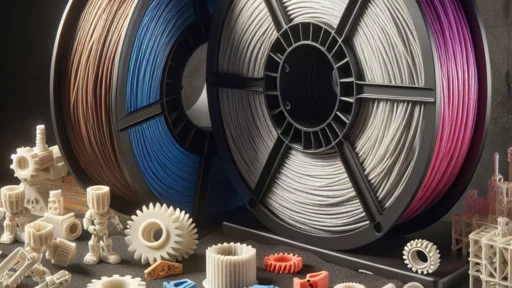
Different 3D printers use various materials, so understanding what you want to print is key. FDM printers typically use thermoplastic filaments like PLA, ABS, or PETG, while SLA printers use liquid resin.
-
PLA: Great for beginners, it’s user-friendly and doesn’t require a heated bed. It’s ideal for simple designs and hobby projects.
-
ABS: A bit trickier due to warping, but it’s more durable and heat-resistant, making it perfect for functional parts.
-
Resin: If fine details are your game, SLA printers can use different types of resin like standard or tough resin, which can give you precision beyond what FDM can offer.
Read Reviews and Community Feedback
Once you’ve narrowed down your choices based on purpose, budget, specifications, and material, it’s time to dig into some reviews. Forums, social media groups, and dedicated 3D printing communities are brilliant resources. You can learn from others’ experiences and discover nuances that specifications may not cover. Look for patterns in reviews—are users praising customer service? Complaining about certain features? This can give you a clearer picture.
Don’t Forget About Customer Support
Having access to good customer support can be a lifesaver, especially for beginners who might need guidance in setting up and using their new printer. Check the manufacturer’s reputation for after-sales service and warranty coverage. You’ll want a solid support system if you run into any hiccups!
With these considerations in mind, you’re well on your way to choosing the right 3D printer tailored to your unique needs. Whether you’re creating the next best-selling prototype or a personal art project, embracing this technology can open a world of creativity and innovation. Happy printing!