
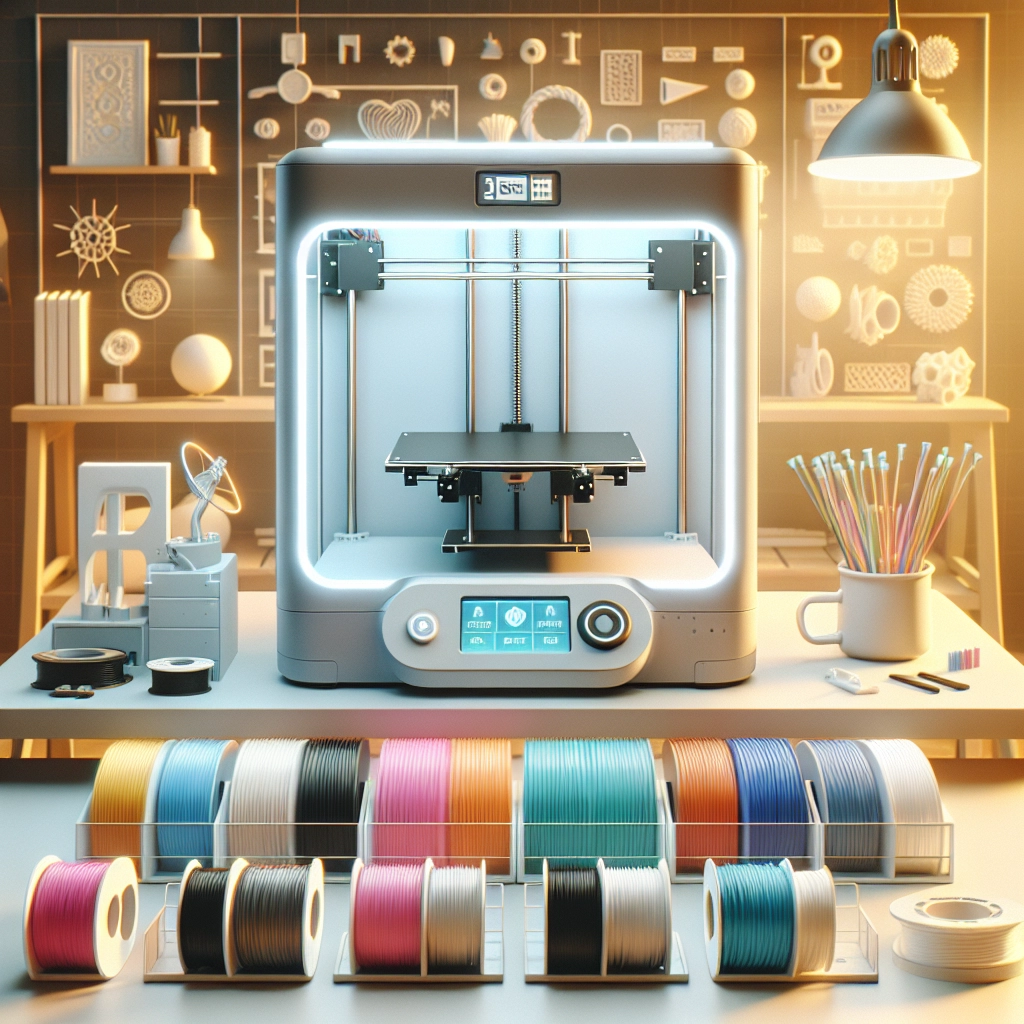

3D Printing for Beginners: Choosing Your First Printer and Filament
Are you intrigued by the incredible world of 3D printing? There’s something undeniably exciting about creating tangible objects from just a digital design. Whether you’re a hobbyist, an artist, or just someone looking to innovate, 3D printing can be a fantastic avenue to explore. But where do you start? With so many options available for printers and materials, it can be overwhelming for a beginner. Let’s dive into some essential tips on how to choose your first 3D printer and filament!
Understanding 3D Printers
First off, it’s crucial to understand the two main types of 3D printers: FDM (Fused Deposition Modeling) and SLA (Stereolithography).
-
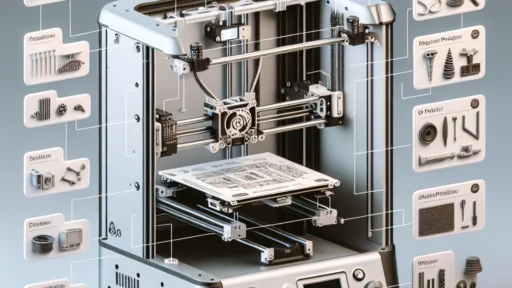
FDM Printers are more common among hobbyists due to their affordability and ease of use. They work by melting plastic filament and layering it to create your desired shape. They are perfect for beginners who want to produce functional prototypes, household items, or custom designs.
-
SLA Printers, on the other hand, use resin to create detailed prints layer by layer. While they can produce higher quality and more intricate designs compared to FDM printers, they can be more complicated to operate and maintain. Plus, the resin can be quite messy and requires careful handling.
As a beginner, an FDM printer is often the best starting point. They typically have a lower entry cost, a larger community for support, and an easier learning curve.
Choosing Your First Printer
When you’re ready to pick your first printer, here are a few factors to consider:
-
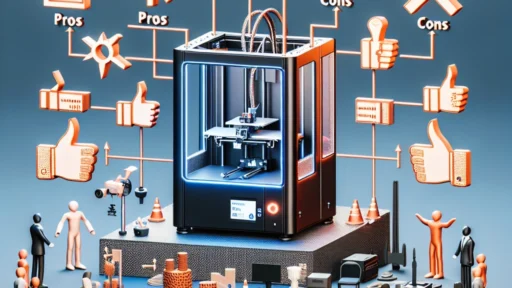
Budget: Decide how much you’re willing to invest. There are great options available between $200 and $1,000. The Creality Ender 3 and Anycubic i3 Mega are popular among newcomers due to their reliability and community support, plus they won’t break the bank.
-
Build Volume: If you have big projects in mind, think about the size of the printer’s build plate. A larger build volume will allow you to print bigger objects, but keep in mind that these printers can come with a higher price tag.
-
Ease of Use: Look for printers that come partially assembled or offer user-friendly interfaces. Some models even have features like auto-bed leveling, which can be a huge time-saver for beginners.
-
Community and Support: Choose a printer that has an active community and ample documentation available online. This will make troubleshooting and learning much easier. Look for forums or social media groups where you can get advice from fellow users.
-
Reviews: Don’t skip the reviews! Before you make your final decision, take some time to check out user experiences. Websites like Reddit and various 3D printing forums can provide insights into real-world usage.
Selecting the Right Filament
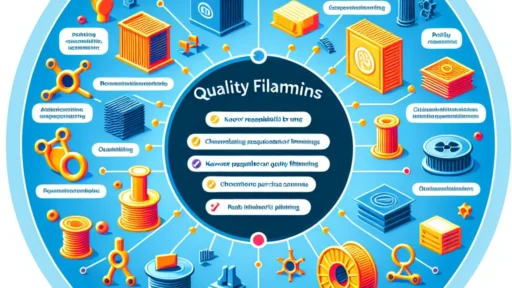
Choosing the right filament for your 3D printing projects is just as important as your printer choice. Here are the most common types of filaments, which should be easily available and user-friendly:
-
PLA (Polylactic Acid): This is the go-to filament for beginners. It’s plant-based, biodegradable, and easy to print with. PLA comes in a wide array of colors and finishes, perfect for creating aesthetic items or prototypes. Plus, it doesn’t require a heated bed, making it ideal for novice users.
-
ABS (Acrylonitrile Butadiene Styrene): ABS is more robust than PLA, which makes it a good choice for functional parts. However, it can emit fumes when melted, so good ventilation is a must. It also requires a heated bed and more precise temperature control, which might be tricky for beginners.
-
PETG (Polyethylene Terephthalate Glycol-Modified): PETG combines the best traits of both PLA and ABS, being durable, flexible, and easy to print. It’s perfect for a variety of projects, from prototypes to parts that need to withstand some wear and tear.
-
TPU (Thermoplastic Polyurethane): If you’re looking to experiment with flexible prints, TPU is your friend. It can be a little challenging to print with, so it may not be the best choice for your very first print.
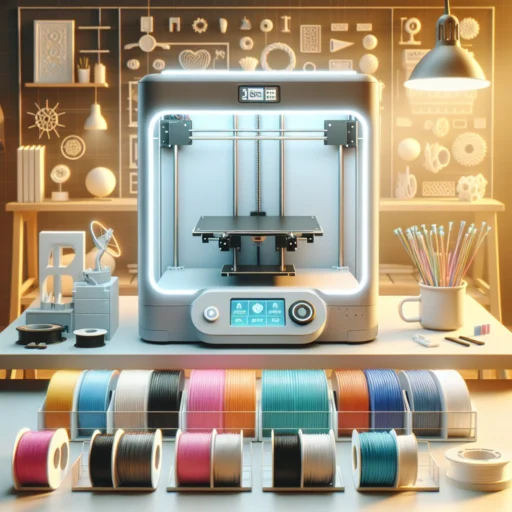
When starting, stick with PLA to build your confidence. As you get comfortable with the printing process, you can branch out to other filament types.
Getting Started
Once you’ve chosen your printer and filament, it’s time to get started! Download some free 3D models from sites like Thingiverse or MyMiniFactory, or use design software like Tinkercad to create your own. Don’t hesitate to make mistakes—it’s all a part of the learning experience.
3D printing is an exciting adventure that can expand your creative horizons and deepen your technical skills. You might start with simple projects, but before you know it, you could be crafting intricate designs or even solving everyday problems with your printer. Embrace the learning curve and enjoy the amazing world you’re about to dive into!