

Understanding the Cost of 3D Printing: Budgeting for Filaments and More
3D printing has revolutionized the way we think about manufacturing and creativity. Whether you’re a hobbyist looking to create unique designs or a professional needing prototypes, diving into the world of 3D printing can be incredibly exciting. However, like any new venture, it’s essential to understand the costs involved, especially when it comes to budgeting for filaments and other necessities. Let’s break down what you need to know!
The Basics of 3D Printing Costs
When we talk about costs in 3D printing, several key components come into play beyond just the printer itself. While the initial investment in a good printer may catch your attention, the recurring costs, particularly for filaments, often take center stage in your budgeting process.
1. The Printer: A One-Time Cost
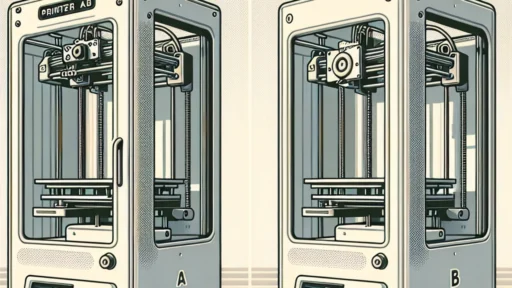
Let’s start with the printer itself. Prices for 3D printers can vary dramatically, ranging from around $200 for entry-level models to several thousand dollars for high-end machines designed for professional use. If you’re just starting, it might be wise to invest in a mid-range printer that offers decent quality without breaking the bank. Do your homework—read reviews, and make sure to choose a printer that’s well-loved in the community.
2. Filaments: The Lifeblood of 3D Printing
Once you have your printer, the next big ticket item is the filament. This is the material you’ll be using to create your prints. The most common types of filament are PLA and ABS, but there are many other options, including PETG, TPU, and even specialty filaments like nylon or carbon fiber.
Pricing: The cost of filaments generally ranges from $15 to $50 per kilogram, depending on the type and brand. When budgeting for your 3D printing projects, consider how much you plan to print. If you’re working on larger projects or multiple prints, you may need to stock up on more filament.
Calculation Example: If you’re designing a small object that uses 200 grams of filament, that’s roughly $3 to $10 per print. However, if you’re building something larger, like a full model, you may find yourself using a kilo or more!
3. Additional Materials
In addition to filaments, there are other materials that may come into play, especially if you’re venturing beyond basic prints.
- Resins: If you go for a resin printer instead of a filament one, the costs can vary significantly. Quality resin can set you back $40 to $100 per liter.
- Supports and Adhesives: You might need additional supplies like support materials or adhesives for certain designs, which can add to your costs.
4. Equipment and Accessories
Don’t forget to budget for essential accessories! Here are a few extras you might need:
- Build Plates and Surfaces: Over time, your print surfaces may wear out and require replacement or upgrading, which could run anywhere from $10 to $50.
- Post-Processing Supplies: Tools for sanding, painting, or finishing prints are also valuable additions. Depending on how detailed you want your final product to be, this could range from $20 to $100 or more.
- Spare Parts: As you use your printer, it may require maintenance. Investing in spare nozzles or upgrade kits can prevent downtime.
5. Electricity Usage
While not always factored in, it’s important to consider the electricity your printer will consume, especially for larger, longer prints. An average 3D printer uses about 50 to 250 watts while printing. That translates to a small increase in your electricity bill, which is often minimal but worth keeping in mind.
6. Software and Licensing
Some advanced features may require paid software solutions or licenses. These can range widely in cost, with some free options available, but specialized software might run you up to several hundred dollars.
Crafting Your Budget
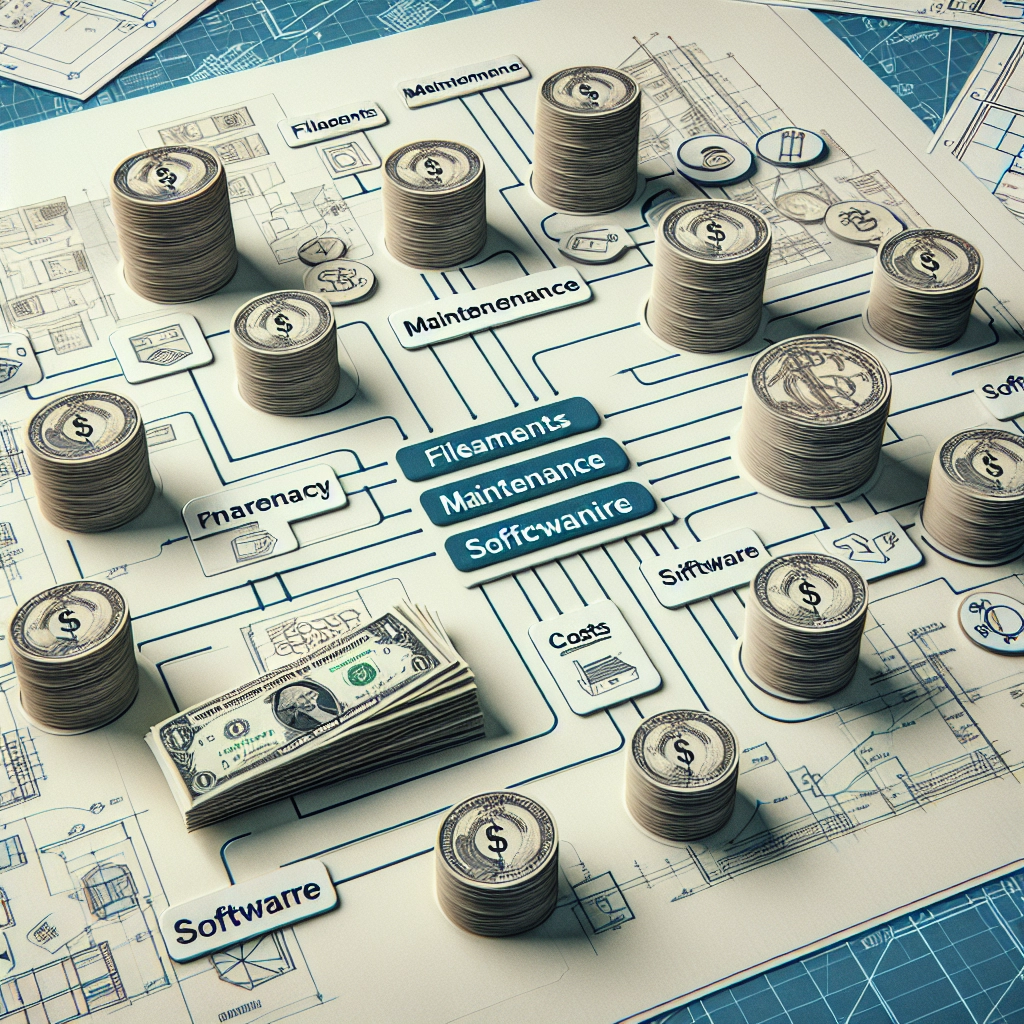
With all these elements in mind, crafting a budget for your 3D printing hobby or business can become a lot clearer. Start by estimating how much you expect to print over a month, calculate your filament costs, factor in any additional materials and accessories you might need, and don’t overlook maintenance and software costs. Keep an eye on how your spending evolves as you grow in skill and ambition.
In the end, investing in 3D printing can lead to endless creative possibilities, but understanding your costs upfront will help you make informed decisions along the way. It’s a rewarding journey that has the potential to empower you to turn your ideas into tangible creations—just be sure you’ve got a budget in place to support your artistic endeavors!