


3D Filament Tension: What You Need to Know
If you’ve dabbled in 3D printing, you’ll know that it’s a fascinating blend of art and technology. But like any creative endeavor, issues can arise, and one of the more frustrating problems can be 3D filament tension. Whether you’re a newbie or a seasoned pro, understanding filament tension can save you a lot of headaches. So, let’s dive into what filament tension is, why it matters, and how to manage it effectively.
What is Filament Tension?
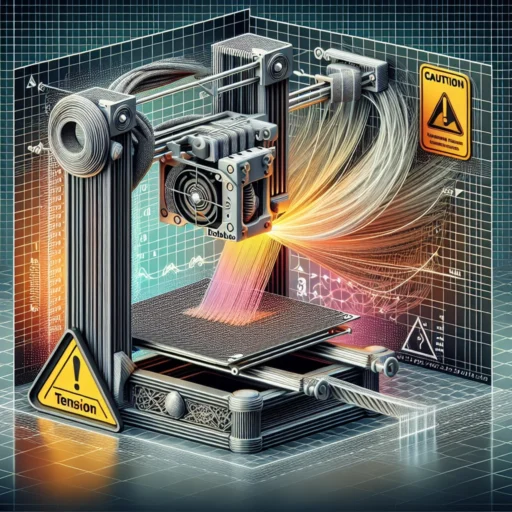
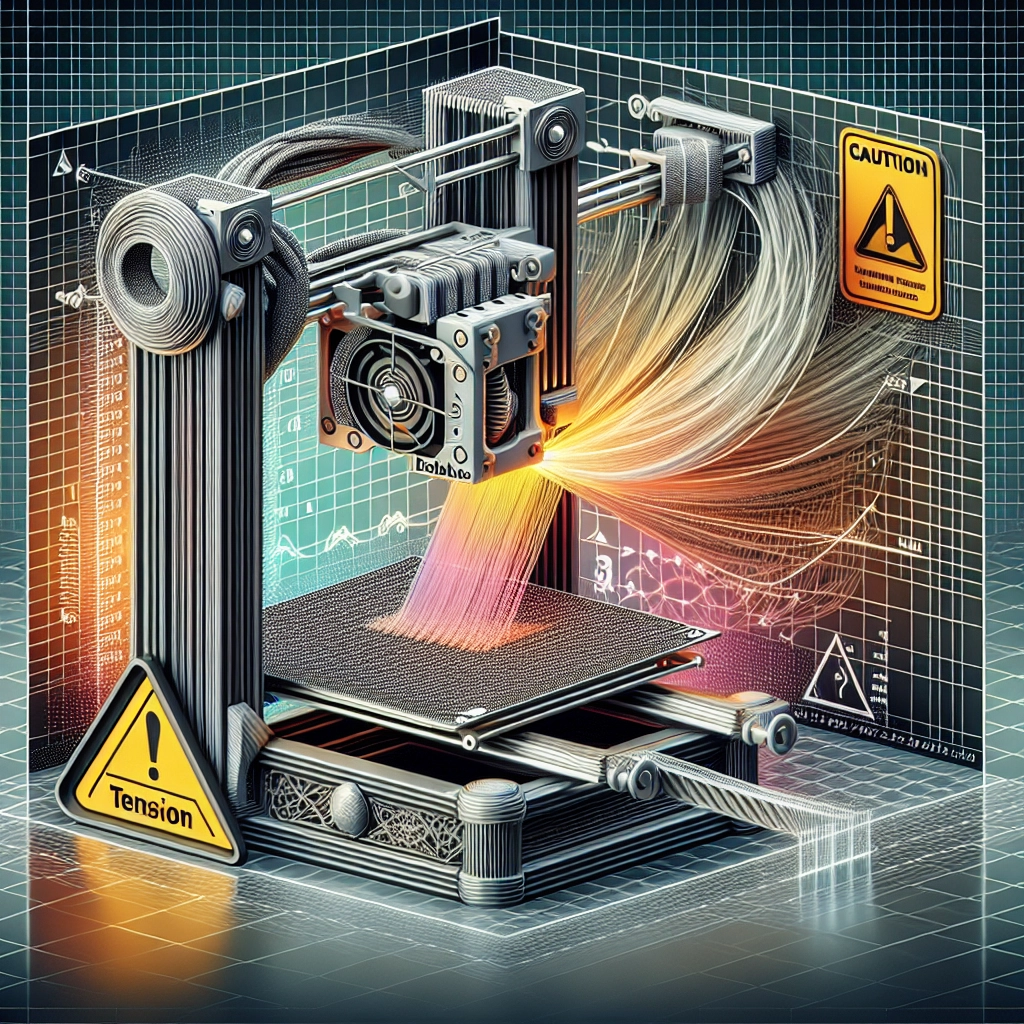
At its core, filament tension refers to the pressure applied to the filament as it moves from the spool to the printer’s extruder. Proper filament tension ensures that your 3D printer can maintain a consistent flow of material, which is crucial for creating high-quality prints.
However, too much or too little tension can lead to a host of printing problems. For instance, if the tension is too high, your printer might have difficulty pulling the filament through the extruder, which could lead to clogging. Conversely, if the tension is too low, the filament might slip, causing inconsistent extrusion and, ultimately, a failed print.
Why Filament Tension Matters
You might be asking yourself, "Why should I care about filament tension?" Well, the importance of proper tension cannot be overstated. A consistent flow of filament leads to smooth, even layers in your prints, which are essential for good adhesion and structural integrity. Here are a few reasons why filament tension is key:
-
Print Quality: Maintaining proper tension directly impacts the quality of your prints. Variability in the filament feed can lead to issues like under-extrusion, over-extrusion, or layer separation, all of which ruin the aesthetic and strength of the final product.
-
Reliability: A printer that struggles with filament tension often requires constant supervision. By ensuring consistent tension, you can reduce the need for constant monitoring and have more peace of mind while your printer works its magic.
-
Material Preservation: Inconsistent tension can lead to excess wear on both the filament and the extruder. This can result in more frequent filament changes and possibly even damage to your machine, which definitely isn’t cost-effective.
Factors That Affect Filament Tension
Several elements come into play when it comes to filament tension. Understanding these can provide insight into how to maintain the perfect setup.
-
Spool Setup: The initial setup of your filament spool can have a massive impact on tension. If the spool is not positioned correctly, or if it’s getting stuck, this can create resistance that affects tension. Ensure your spool can rotate freely and sits on a proper holder.
-
Filament Material: Different filament materials behave differently. For instance, PLA tends to be more forgiving than flexible filaments like TPU. Depending on the material you choose, you may need to adjust the tension accordingly.
-
Extruder Design: The type of extruder you use can also influence filament tension. Direct drive extruders typically provide more control over tension because they’re right next to the hot end, while Bowden extruders can lead to a bit more lag and variability.
-
Environmental Factors: Temperature and humidity can change the characteristics of some filaments, affecting how they behave as they move through the extruder. Tolerance to moisture can be especially crucial for materials like Nylon, which can absorb humidity from the air.
Finding the Right Balance
So, how do you achieve the right filament tension? Well, it often involves a bit of trial and error. Here are some tips:
-
Calibrate Your Setup: Make sure your printer is calibrated correctly. This includes checking the extruder steps per millimeter to ensure precise filament placement.
-
Adjust Tension Settings: If your extruder has adjustable tension settings, find the sweet spot that allows for smooth feeding without excessive pressure.
-
Watch for Signs: Pay attention to how your printer responds. Look out for signs of under-extrusion, over-extrusion, or filament jams. Adjustments may be necessary as you experiment.
Filament tension might not be the flashiest aspect of 3D printing, but it is certainly one of the most important. By understanding how to manage it, you’re not just setting yourself up for successful prints but are also honing your skills as a 3D printing enthusiast. Whether you’re creating intricate models or prototyping products, a little attention to filament tension can go a long way in perfecting your prints. Happy printing!


