


Understanding Different Types of 3D Filaments: A Comprehensive Overview
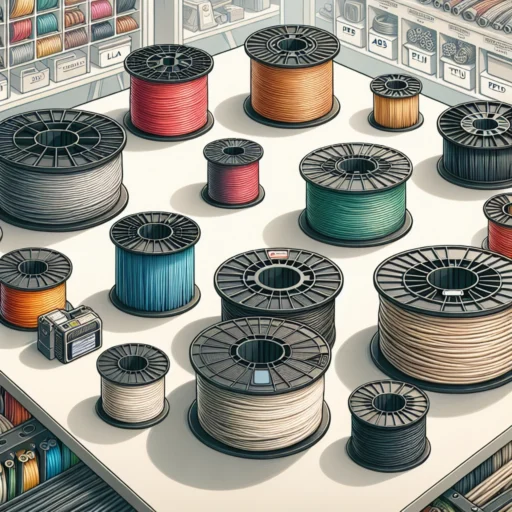
If you’ve recently dived into the world of 3D printing, you might be feeling a little overwhelmed by the sheer variety of filaments available. With each type boasting unique characteristics, picking the right one for your project can feel like a daunting challenge. Fear not! Whether you’re a novice exploring your first prints or a seasoned pro looking to expand your material palette, this guide will help demystify the different types of 3D filaments.
PLA (Polylactic Acid)
Starting with the basics, we have PLA, one of the most popular filaments for beginners. Made from cornstarch or sugarcane, PLA is biodegradable, making it an eco-friendly choice. It prints easily at lower temperatures (180-220°C), which means less risk of warping. Its glossy finish and availability in numerous colors are appealing, too. However, it’s worth noting that while PLA is great for aesthetic prints and prototypes, it may not be the best choice for functional parts that will face heat or stress.
ABS (Acrylonitrile Butadiene Styrene)
Next up is ABS, the sturdy sibling of PLA. This plastic is resilient, making it suitable for functional parts, toys, and even automotive components. ABS prints at higher temperatures (220-250°C), and for those ambitious about their 3D printing ventures, it can be a bit tricky due to its tendency to warp if not printed on a heated bed. The good news? With the right setup, you can achieve fantastic results! Plus, it’s also relatively easy to sand and paint.
PETG (Polyethylene Terephthalate Glycol-Modified)
PETG is the middle-ground hero in the filament realm. Combining the benefits of both PLA and ABS, PETG is tough and flexible, making it ideal for a wide range of applications. It prints easily, adheres well to the print bed, and resists impact and temperature variations, with a printing range of 220-250°C. One of its standout features is its resistance to moisture, making it perfect for items exposed to elements like containers or outdoor gear. And let’s not forget, PETG can yield a nice, glossy finish!
TPU (Thermoplastic Polyurethane)
If you’re looking for flexibility, TPU is your go-to filament. This material is elastic and can be stretched without losing its shape, making it perfect for creating anything from phone cases to wearable tech. Printing with TPU can be a bit more complex—requiring a slower print speed and compatible equipment—so if you’re not quite there yet, don’t fret! As you grow more comfortable with your 3D printer, experimenting with TPU can lead to incredibly innovative designs.
Nylon
Now, if you’re ready to take things up a notch, let’s talk about Nylon. Known for its incredible strength and durability, Nylon is perfect for mechanical parts or items that require a bit more resilience. However, it’s also notorious for being more challenging to print. It absorbs moisture from the air, which can lead to poor print quality, so keep it stored properly! With the right settings (typically around 250-270°C), you can achieve exceptional results.
ASA (Acrylonitrile Styrene Acrylate)
For applications that demand outdoor durability, consider ASA. It’s similar to ABS but has superior UV resistance, ensuring that your prints won’t fade or crack in the sun. ASA can be a little finicky to print due to its propensity to warp, but once you get the hang of it, it’s perfect for outdoor gear or automotive parts. Plus, it can be sanded and painted just like ABS!
Specialty Filaments
Lastly, let’s touch upon some specialty filaments that can add that wow factor to your projects. From wood-filled filaments that give your prints a unique texture and finish to metal-infused options that provide an industrial feel, there is an array of exciting materials out there to experiment with. These filaments often require specific settings, so a little research will go a long way in achieving great results.
Wrapping Up
With this overview of various 3D filaments, you should be well-equipped to select the right material for your next project. Each filament has its own unique properties and challenges, so don’t hesitate to experiment and find what works best for you. Remember, the world of 3D printing is all about creativity and exploration. Whether you’re crafting a small prototype or a larger, functional part, understanding your available options can make all the difference. Happy printing!