

The Cost of 3D Printing: Is It Worth It?
If you’re curious about the world of 3D printing, you’re not alone. This technology has become incredibly popular, revolutionizing everything from prototyping to manufacturing and even healthcare. But with all its potential, one big question looms: what’s the cost? More importantly, is that cost worth it? Let’s dive into this fascinating topic and unpack the financial aspects of 3D printing.
The Price of Equipment
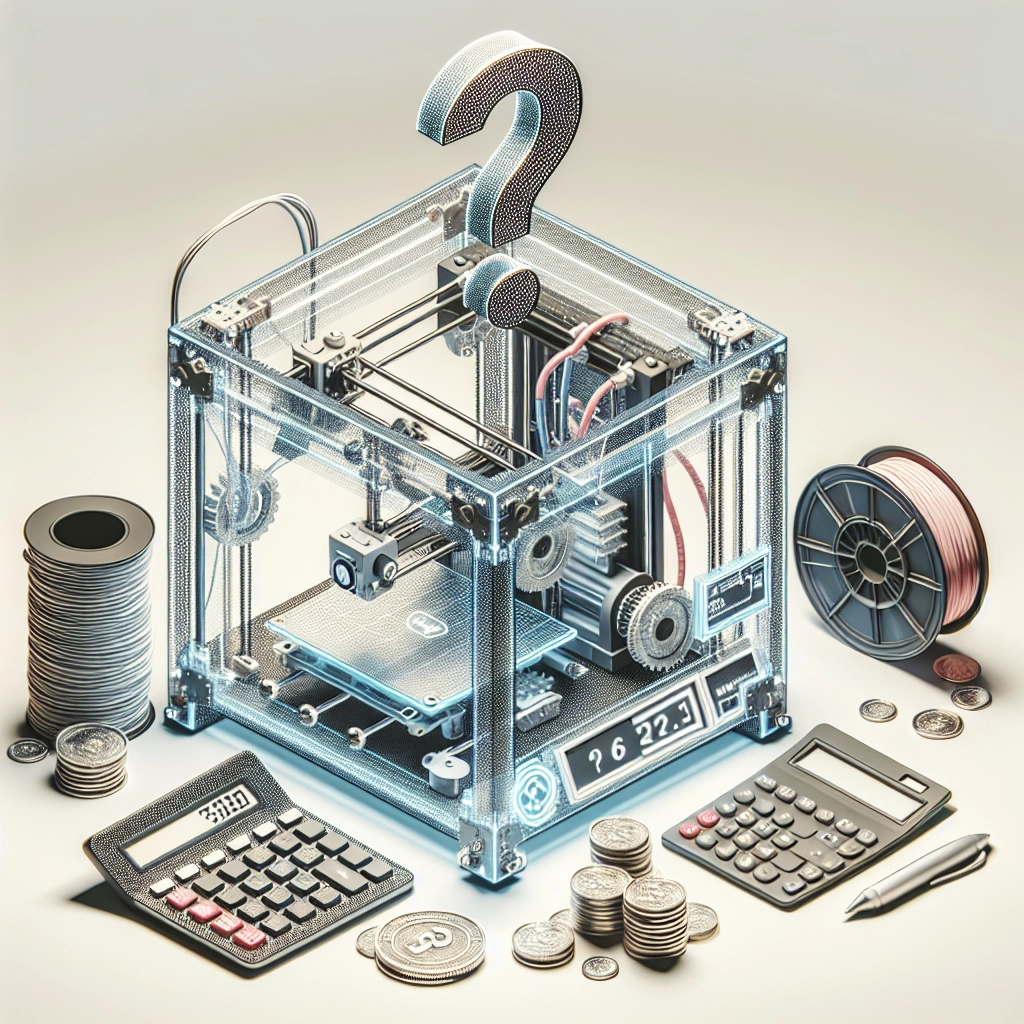
First things first—let’s talk about the initial investment. If you’re considering getting into 3D printing, you’ll likely be looking at two main costs: the printer itself and materials. The price of 3D printers can range dramatically based on type, brand, and printing capabilities.
You can snag a basic FDM (Fused Deposition Modeling) printer for around $200 to $500. These are great for beginners and are often used for hobby projects or even educational settings. On the other end of the spectrum, high-end SLA (Stereolithography) printers can set you back several thousand dollars, especially if you’re looking for professional-grade machines for businesses or detailed prototypes.
Then, you’ve got the cost of materials. Depending on what you’re printing—be it plastic, resin, metal, or something else entirely—the prices can vary. Filament for FDM printers typically costs between $20 to $50 per kilogram, while resin for SLA printers can be between $30 to $150 per liter. If you’re planning to print frequently or in large quantities, those costs tend to add up quickly.
Ongoing Costs
But wait, there’s more! The initial investment isn’t the only financial consideration. You’ve got ongoing expenses as well. Maintenance is crucial for keeping your printer in top shape, and the costs for that can vary. Replacing parts, the occasional professional servicing, or even a simple cleaning kit can all contribute to your budget.
Moreover, if you’re venturing into more complex or commercial-grade 3D printing, you might need additional software for design or operation. Some of the best CAD programs may require subscriptions or one-time purchases that can range from $100 to thousands, depending on features.
The Benefits of 3D Printing
Now that we’ve unpacked the costs, let’s weigh them against the benefits. One of the most significant advantages of 3D printing is its ability to create customized products. From medical implants tailored to individual patients to unique home decor, the potential for one-of-a-kind items is enormous. This customization can eliminate waste and reduce costs for businesses that would otherwise mass-produce unwanted items.
3D printing also cuts down on manufacturing time. Traditional methods can take weeks to develop parts and products, while 3D printing can potentially do this in a matter of days or even hours. It accelerates prototyping, allowing businesses to experiment and iterate on designs without incurring hefty costs for tooling changes.
Additionally, for small businesses and startups, the ability to create prototypes in-house can save substantial amounts of money. Instead of sending designs off to third-party manufacturers—an expense that can quickly spiral out of control—entrepreneurs can produce what they need right at home.
The Value of Innovation
While you’re weighing the costs and benefits, it’s essential to consider the value that innovation brings. For those with creative pursuits or hobbies, 3D printing can be a game-changer. Custom parts for electronics, toys, or even practical household items can make life easier and more enjoyable. Think about it—if you could design and print that perfect phone stand or unique gift for a friend, wouldn’t it be worth the investment?
For businesses, investing in 3D printing technologies can lead to innovative products and processes that set them apart in a competitive market. With rapid advancements in the technology, staying ahead of the curve could mean significantly higher returns on investment.
Is It Worth It?
So, is 3D printing worth the cost? That largely depends on your needs, interests, and how you plan to use the technology. If you’re a hobbyist who wants to dabble in cool projects, the initial investment might feel justifiable. If you’re a business looking to innovate and produce custom solutions quickly, then a 3D printer could become one of your most valuable assets.
Before diving in, take some time to consider your specific goals and budget. In the ever-evolving landscape of 3D printing, it’s about finding that balance between investment and value—and, ultimately, determining how this technology can best serve you. Whether you’re a creative soul or a driven entrepreneur, the possibilities are endless, and perhaps the benefits will far outweigh the costs, making it a worthy venture indeed.