

The Best 3D Filaments for High-Quality Prints
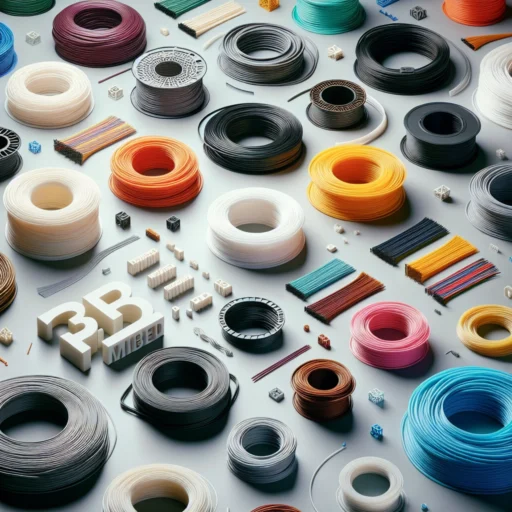
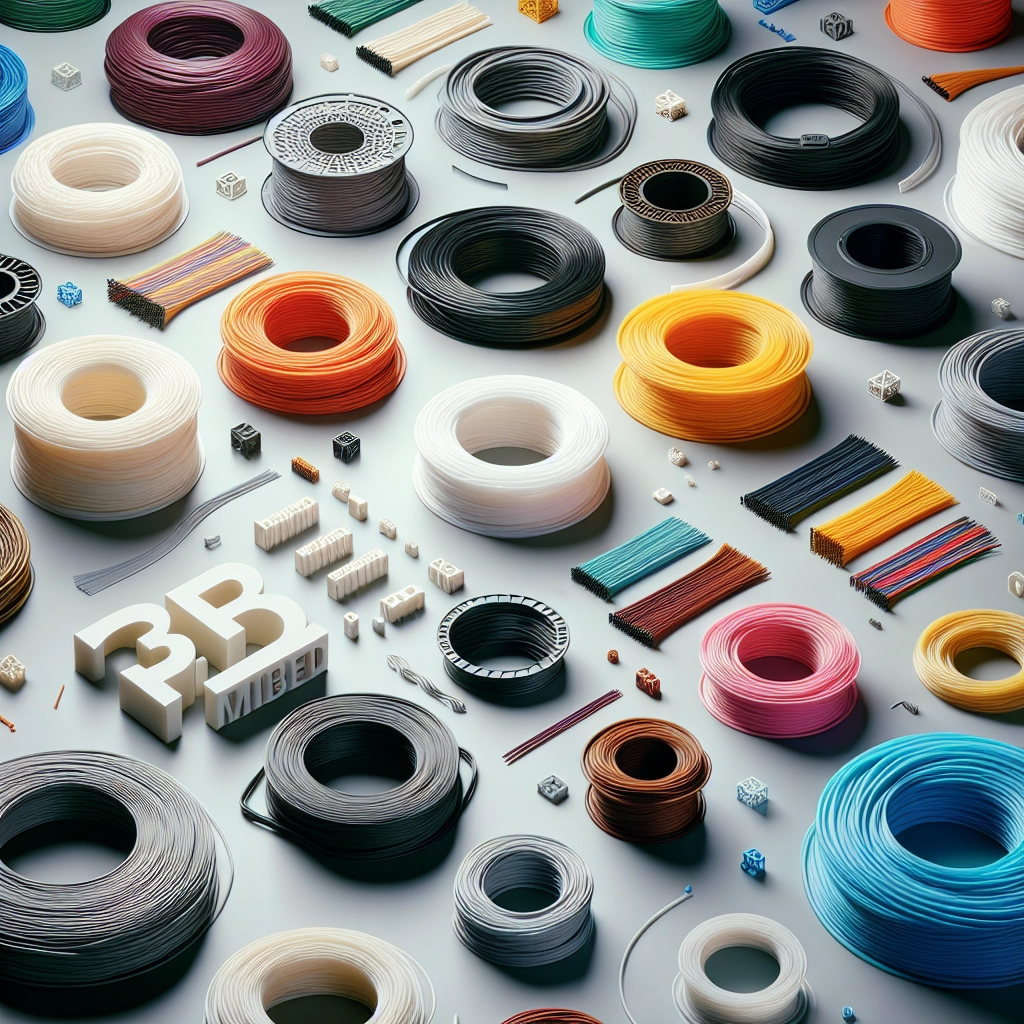
If you’re diving into the world of 3D printing, you’ve probably realized that the quality of your print doesn’t just depend on the printer; the type of filament you use plays a crucial role, too. With so many options available, it can feel overwhelming to choose the right filament for your project. Don’t worry – I’m here to help you navigate the colorful world of 3D filaments!
PLA (Polylactic Acid)
Let’s start with one of the most popular filaments out there: PLA. Made from cornstarch or sugar cane, PLA is biodegradable, making it an eco-friendly choice. Not only is it easy to use and perfect for beginners, but it also adheres well to print beds.
PLA is known for its vibrant colors, which can make your prints stand out. It’s ideal for intricate designs that have sharp details, such as figurines or prototypes. However, keep in mind that while PLA prints look fantastic, they are not as durable as some other materials. If your project requires outdoor use or exposure to heat, you may want to consider a different option.
ABS (Acrylonitrile Butadiene Styrene)
Next up is ABS. If you’re looking for strength and durability, ABS is a solid contender. This filament is commonly used in industries for its toughness and resistance to impact, which is why you might come across it in everything from Lego bricks to car parts.
ABS prints tend to have a glossy finish and can withstand higher temperatures than PLA, making them more suitable for functional parts or items used outdoors. However, ABS does have its quirks. It can warp during printing, so heated print beds and proper ventilation are important to get the best results. If you’re ready to tackle some of these challenges, ABS can elevate your 3D printing game!
PETG (Polyethylene Terephthalate Glycol)
Now, let’s talk about PETG – a fantastic hybrid of PLA and ABS. This filament has the best of both worlds: it’s easy to print like PLA yet durable like ABS. PETG is resistant to moisture and UV light, making it a great choice for outdoor projects. Plus, it has a beautiful glossy finish that can add a professional touch to your prints.
One of the best features of PETG is its layer adhesion, which means your prints won’t easily snap or break. This makes it a great choice for functional parts, like brackets or enclosures. And if you’re looking to create items that require some flexibility, PETG can often hold up under stress without breaking.
TPU (Thermoplastic Polyurethane)
For those of you interested in flexible prints, TPU is the way to go. This filament offers rubber-like flexibility, allowing you to create items like phone cases, gaskets, or any part that requires bending or stretching.
Printing with TPU can be a bit tricky as it requires a well-calibrated 3D printer, but the results are definitely worth it. When successfully printed, pieces have excellent resilience and can absorb shock, which is especially useful for protective gear or other items subject to wear and tear.
Nylon
Last but not least, let’s explore Nylon. This filament is known for its incredible strength, durability, and toughness. Nylon prints can withstand a lot of stress, making them ideal for functional components or items that need to endure wear over time.
It’s worth noting that Nylon can be hygroscopic, which means it absorbs moisture from the air. This can lead to poor print quality if not stored properly, so make sure to keep it in a dry environment. When printed, Nylon offers a smooth finish, and its versatility means that it can be used in various applications, from mechanical parts to creative designs.
Wrapping Up
Choosing the right filament can make all the difference in your 3D printing experience. Whether you’re crafting a decorative sculpture with PLA, building functional tools with ABS, or exploring the flexibility of TPU, each filament has its unique strengths. As you experiment and build your skills, you’ll develop a sense of which materials work best for your specific projects. Remember, the journey of 3D printing is all about exploration and creativity, so don’t be afraid to try new things! Happy printing!