


How to Maintain Your 3D Printer for Longevity
3D printing has taken the world by storm, giving hobbyists and businesses alike the ability to create custom designs and innovative products right from the comfort of their own homes. But like any machine, your 3D printer needs a little TLC to keep it in tip-top shape. Whether you’re a seasoned pro or just starting your printing journey, maintaining your 3D printer will not only enhance its performance but also extend its lifespan. Here’s how to ensure your 3D printer remains a reliable workhorse for years to come!
Clean Your Printer Regularly
Just like you wouldn’t let a dirty car go unwashed, your 3D printer benefits from regular cleaning. Dust and debris can accumulate on the print bed, components, and inside the machinery, which can affect print quality and cause wear and tear over time.
- Print Bed: Clean the print bed with isopropyl alcohol and a lint-free cloth. This removes any residue from previous prints, ensuring better adhesion for future ones.
- Nozzle: Clogged nozzles can be a major headache. Using a clean, thin wire or a needle can help you clear any blockages in the nozzle. Some users also swear by the cold pull method, where you heat the nozzle, then cool it down while pulling out the filament.
- Exterior: Wipe down the exterior with a damp cloth regularly. This not only keeps your printer looking good but also prevents dust from getting into sensitive areas.
Lubrication is Key
Many moving parts in your 3D printer require lubrication. If neglected, these parts can grind and create unnecessary wear. Using a high-quality lubricant, such as white lithium grease or machine oil, can help keep them running smoothly. Focus on the following:
- Rails and Rods: Apply lubricant to the smooth rails where the print head and bed move.
- Lead Screws: A small amount of lubricant on lead screws can prevent binding and ensure smooth movement.
Monitor and Calibrate
Calibration might seem tedious, but it’s essential for achieving high-quality prints. Regular checks can help you avoid issues down the line.
- Bed Leveling: Make sure your print bed is level before starting each print. This can seem tedious but is worth it to avoid that dreaded first-layer failure.
- Extruder Calibration: If you notice discrepancies in dimensions or layer adhesion, your extruder might need recalibration. Correctly calibrating your extruder ensures you’re feeding the right amount of filament, which is crucial for print accuracy.
Keep an Eye on the Filament
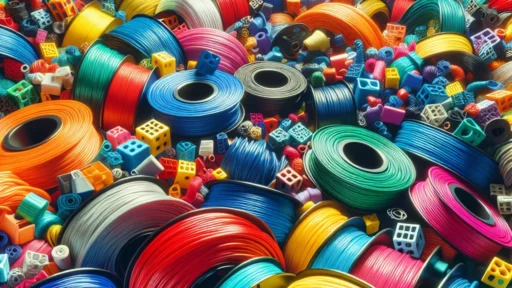
Filament is your printer’s lifeblood, so it’s essential to store and manage it properly.
- Storage: Keep filaments in a cool, dry place, preferably in airtight containers with desiccants to prevent moisture absorption. Wet filament can lead to poor print quality and issues like bubbling or warping.
- Usage: If you notice your filament becoming brittle or discolored, it’s time to toss it. Using old or damaged filament can result in failed prints and clogs that can be frustrating to troubleshoot.
Regular Software Updates
Most 3D printers use firmware and slicing software that receive updates over time. These updates can improve performance, introduce new features, and fix bugs. Keeping your software updated will help ensure that you’re getting the most out of your printer.
- Printer Firmware: Check the manufacturer’s website periodically for firmware updates. Follow the instructions provided, as updating involves a bit of a learning curve if you haven’t done it before.
- Slicing Software: Update your slicing software to benefit from better algorithms, profiles, and features that can enhance your print quality.
Watch for Wear and Tear
Pay attention to parts that wear out over time, such as belts, bearings, or even the print head. Regularly inspecting these parts allows you to catch any issues before they escalate into major problems.
- Belts: If you notice loose or frayed belts, don’t hesitate to replace them. Properly tensioned belts are crucial for maintaining print accuracy.
- Print Heads: The print heads can wear out after extensive use. Replacement parts are often available, and making the switch can dramatically improve your print quality.
Maintaining your 3D printer may seem like a chore, but it’s all part of the creative journey. Each print is an opportunity to learn and improve not only your skills but also the longevity of your machine. Regular maintenance isn’t just about avoiding breakdowns; it’s about fostering a relationship with your printer, ensuring that it’s always ready to bring your ideas to life. So roll up your sleeves, give your printer some love, and keep that creativity flowing!