


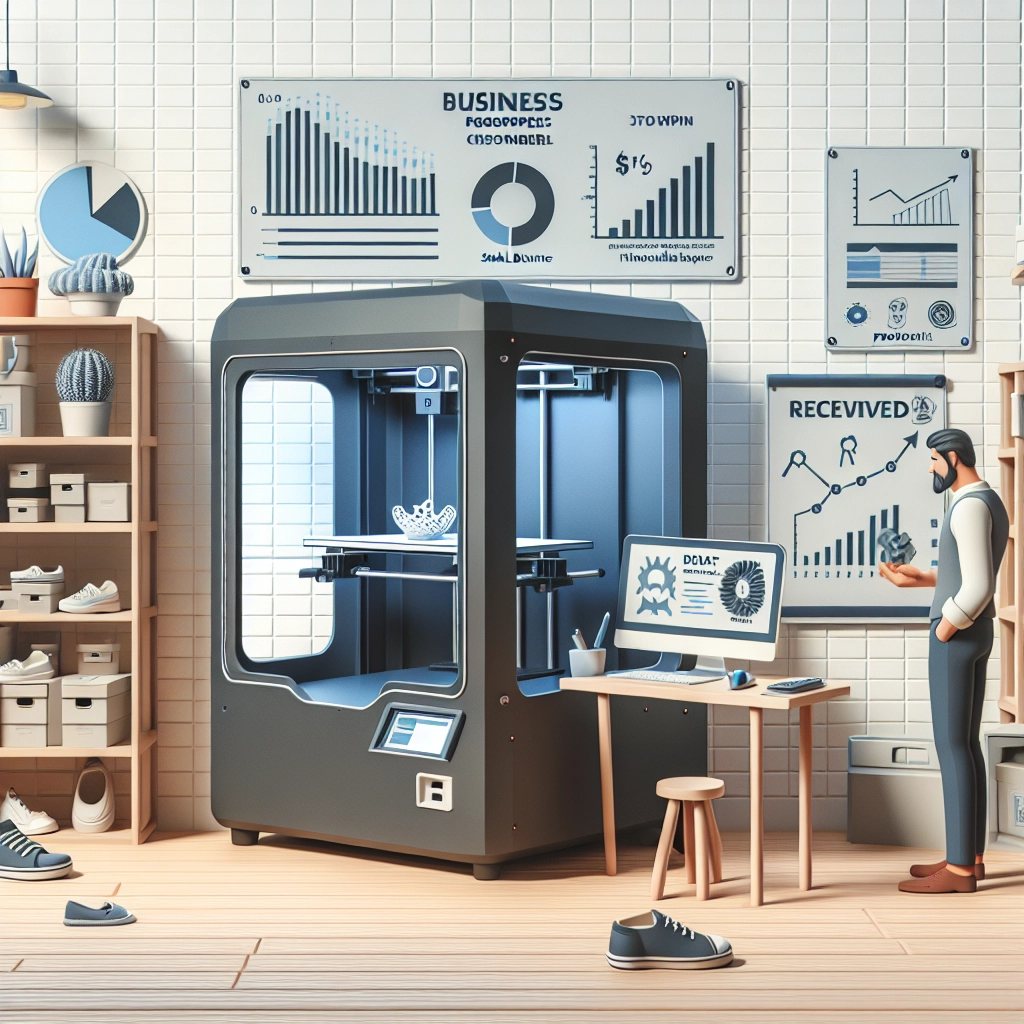

3D Printing and Its Impact on Small Businesses: A Case Study
In recent years, the landscape of small businesses has been revolutionized by advancements in technology, and few innovations have made quite the splash as 3D printing. Imagine having the power to bring your ideas to life, transform prototypes into products, and tailor your offerings precisely to your customers’ needs—all from a machine that fits in your workshop. The implications of 3D printing for small businesses are profound, and today, we’ll dive into a compelling case study that highlights these impacts.
The Rise of 3D Printing
Before we get to the case study, let’s set the stage. 3D printing, also known as additive manufacturing, involves creating three-dimensional objects from digital files by layering materials one on top of another. This technology has made waves across various industries—from healthcare to aerospace—and is more accessible than ever. For small businesses, the benefits are manifold: reduced production costs, rapid prototyping, and the ability to create customized products or limited runs without the substantial overhead that traditional manufacturing would require.
Meet Joe’s Custom Gadgets
Let’s take a look at Joe’s Custom Gadgets, a small startup founded by a tech-savvy entrepreneur named Joe. Joe had a vision: to design and create unique, personalized gadgets and gifts. But like many small business owners, Joe faced hurdles when trying to turn his ideas into tangible products. High manufacturing costs, lengthy lead times, and minimum order requirements from suppliers made it difficult to pursue creative projects without feeling overwhelmed by the financial risk.
Enter 3D printing. With a modest investment in a good quality 3D printer and some training on design software, Joe was able to start producing small batches of products right from his home office.
Transforming Ideas into Reality
Joe’s transition to 3D printing allowed him to prototype quickly. Instead of spending weeks or months working with a manufacturer to create a single product, he could design, print, and refine his prototypes in a matter of days. This rapid iteration process enabled him to respond to customer feedback almost instantaneously, honing his offerings to align perfectly with preferences and trends.
For instance, one of Joe’s early products was a customizable phone stand. Initially, he launched a few generic designs. However, after gathering input from his first customers, he realized that offering personalized inscriptions or colors would lead to increased interest and sales. Within a week, Joe had produced a wide array of styles that perfectly matched his customers’ requests, boosting sales and customer satisfaction.
Cost Efficiency and Scalability
One of the standout advantages Joe’s Custom Gadgets experienced was cost efficiency. Traditional manufacturing processes often involve hefty setup costs and large-scale orders which aren’t feasible for small businesses just finding their footing. With 3D printing, Joe could produce items on demand, minimizing the need for inventory and reducing waste from unsold products.
He later utilized a 3D printing service to expand his product line even further, tapping into a network of specialists who could print using various materials and techniques. This meant he could explore higher-end gadgets—like smart home devices—without investing in expensive equipment or risking significant capital.
Engaging with the Community
Beyond operational efficiency, Joe discovered that 3D printing opened doors to engage more directly with his local community. He started workshops where local aspiring entrepreneurs could come and learn the basics of 3D design and printing. By positioning himself as a resource in the community, Joe not only strengthened his brand but also fostered a network of connections that led to additional collaboration opportunities.
People were excited to share their own ideas, and Joe often found himself collaborating with local artisans and small business owners to create bespoke products. This ecosystem created a vibrant marketplace where creativity thrived, and businesses supported each other in various ways.
The Future of 3D Printing in Small Business
Through Joe’s journey, it’s evident that 3D printing isn’t just a passing trend; it’s a game-changing tool for small businesses. The accessibility it provides opens ways to innovate, customize, and engage with customers in a deeply meaningful way. Small businesses can now compete with larger companies with more agility, creativity, and personality.
Looking ahead, as technology improves and costs continue to fall, we can anticipate an even broader adoption of 3D printing among small businesses. The barriers to entry will lower, and more entrepreneurs will be able to realize their dreams without the constraints faced in traditional manufacturing.
In a world increasingly driven by individual needs and custom solutions, 3D printing stands out as a beacon of possibility for those bold enough to harness its power. Whether you’re a tinkerer with a passion for invention or an entrepreneur looking to disrupt the market, 3D printing could be your ticket to success. Just like Joe, you might find that the sky is the limit when creativity meets cutting-edge technology.


