
Eco-Friendly 3D Printing: Sustainable Filaments to Consider
3D printing has opened up a world of possibilities for creators, engineers, and hobbyists alike. It allows us to whip up prototypes, custom designs, and everyday objects right from the comfort of our homes or workshops. But with great power comes great responsibility, right? As amazing as 3D printing is, it does come with some environmental downsides, primarily in the form of plastic waste. Thankfully, the industry is evolving, and eco-friendly filaments are becoming more widely available. If you’re interested in reducing your carbon footprint while enjoying this innovative technology, let’s explore some sustainable filament options!
PLA: The Popular Choice
Let’s kick things off with PLA (Polylactic Acid), one of the most common and best-loved filaments in the 3D printing world. Why is it so beloved? For starters, PLA is made from renewable resources like cornstarch or sugarcane, making it a far more eco-friendly option compared to conventional petroleum-based plastics. It’s biodegradable too! Under the right conditions (like industrial composting facilities), PLA can break down within a few months. Plus, it’s easy to print with, making it a fantastic choice for both beginners and seasoned pros alike.
However, keep in mind that while PLA can break down, it might not do so effectively in your backyard compost bin. It still requires specific conditions to decompose properly, so be sure to check how to dispose of it responsibly.
PETG: A Strong Contender
Next up is PETG (Polyethylene Terephthalate Glycol). This filament is a fantastic blend of strength and flexibility, making it perfect for practical items that need to withstand wear and tear. While PETG isn’t biodegradable like PLA, it is recyclable, which gives it a sustainable edge. Many 3D printing enthusiasts appreciate its low warping properties and ease of printing, making it a solid choice when considering both performance and environmental impact.
Some manufacturers even produce PETG from recycled materials, further minimizing the environmental footprint. So if you’re looking for something a bit more durable without sacrificing eco-friendliness, give PETG a try.
ABS vs. Eco-ABS: The Sustainable Shift
ABS (Acrylonitrile Butadiene Styrene) is one of the traditional champions of 3D printing filaments, known for its strength and heat resistance. However, its production and disposal can be harmful to the environment. This is where Eco-ABS comes into play! Eco-ABS is formulated to offer the ease and durability of conventional ABS while being a more sustainable option.
While it still retains some of the properties of traditional ABS, Eco-ABS is often made with less harmful additives and generally has a lower environmental impact. It’s a great alternative for those who want to use ABS for its specific properties but are looking to make a more responsible choice.
HIPS: A Hidden Gem
High Impact Polystyrene (HIPS) isn’t just an excellent support material for ABS prints; it’s also a sustainable option on its own! HIPS can be dissolved in limonene, which means it can help reduce plastic waste when used strategically. Plus, HIPS is recyclable and can be found recycled in filament form, making it a fantastic choice for the environmentally conscious maker.
Recycling Filaments: The Upcycle Revolution
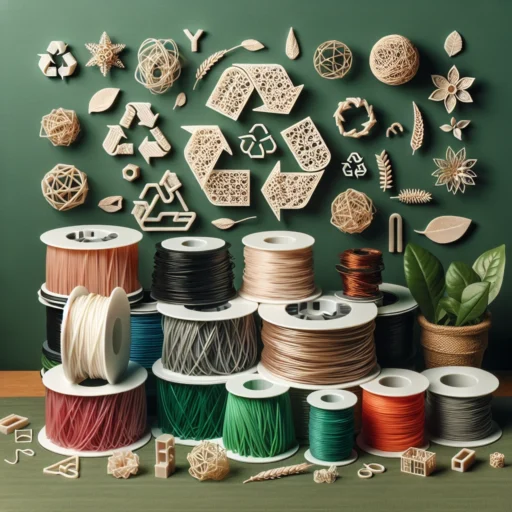
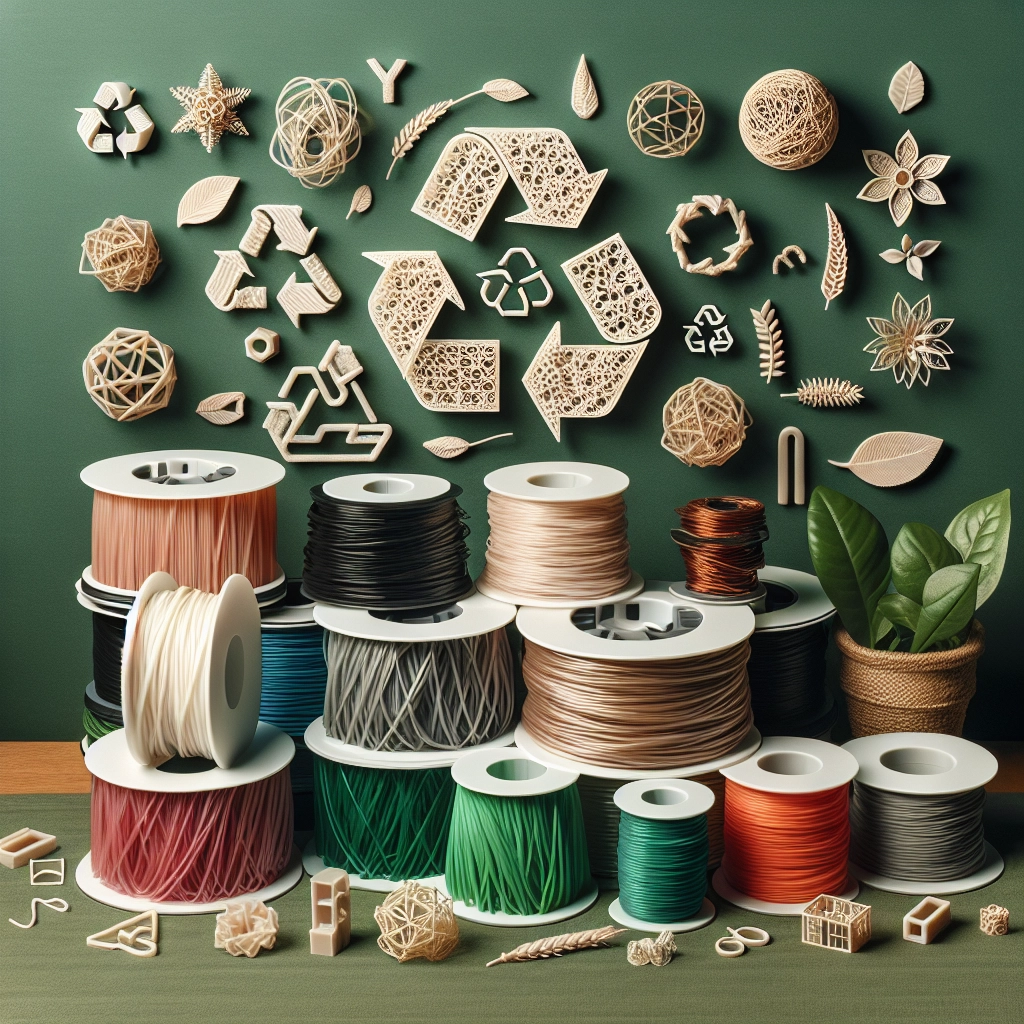
Speaking of eco-conscious options, let’s not forget about recycling filaments! Various companies are now turning recycled plastics into 3D printing filament. These products use discarded materials like water bottles or industrial scraps and can significantly cut down on new plastic production. One notable example would be materials made from recycled PET (rPET). Relying on these options not only helps reduce waste, but it also gives a second life to materials that might otherwise end up in a landfill.
The Rise of Natural Materials
In recent years, we’ve also seen a rise in natural-based filaments. These innovative materials often include ingredients like bamboo, wood, or even algae. They can create unique textures and finishes that standard filaments can’t offer, all while being more environmentally friendly.
Filaments made from pulverized bamboo or wood fibers mixed with PLA, for example, create a stunning finish and can often be less harmful to the planet depending on their sourcing and production practices.
3D printing and sustainability can go hand in hand. While traditional filaments like PLA, PETG, and Eco-ABS offer great performance while maintaining a focus on eco-friendliness, there are continuously evolving options that merge technology with responsible practices. By choosing sustainable filaments, you not only reduce your environmental impact but also join a growing community of innovators who are paving the way for a greener future in manufacturing. So, whether you’re printing your next project for fun or function, consider the planet in your choices – it’s not just about what you create, but how you create it!