
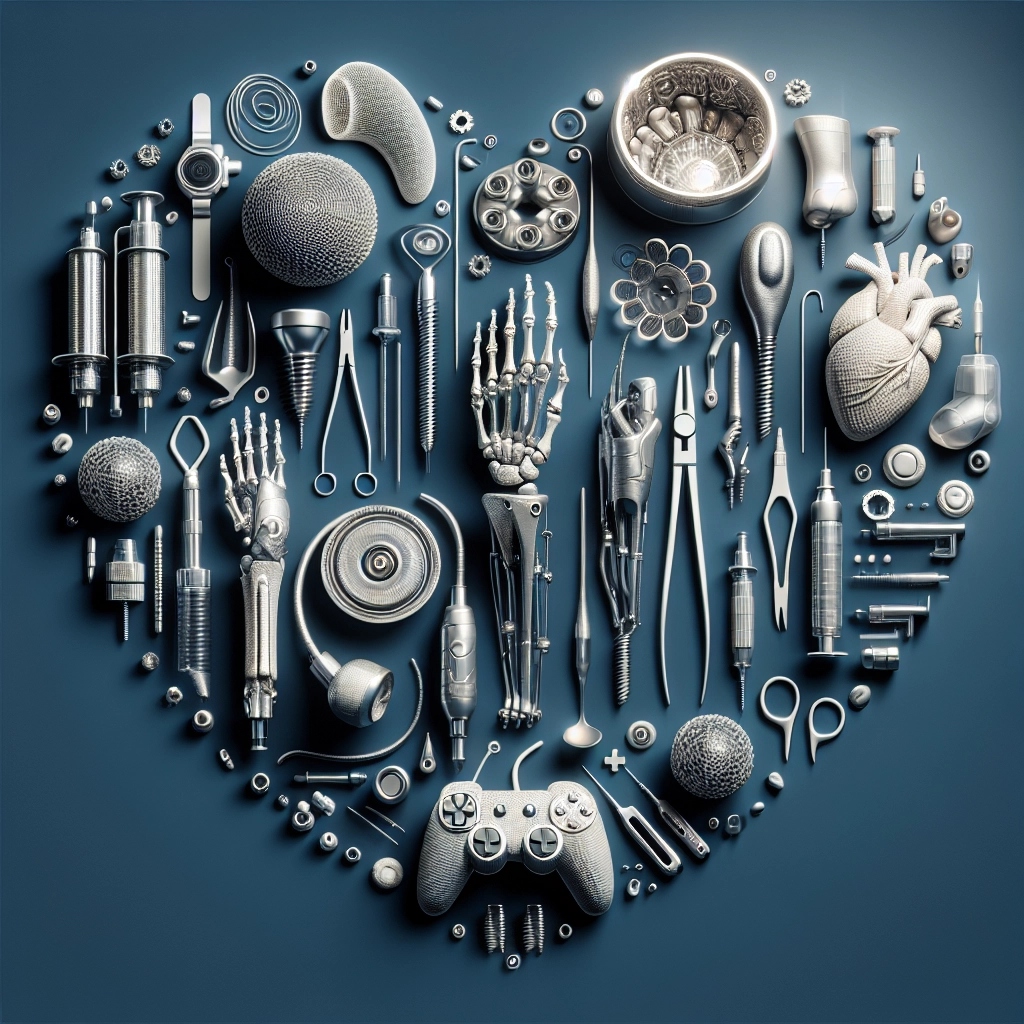

Innovative Uses of 3D Printing in Healthcare
3D printing has been revolutionizing various industries for years, but one of the most fascinating and impactful applications is in healthcare. From creating customized prosthetics to developing intricate biological structures, the potential of 3D printing seems nearly limitless. Let’s dive into some of the most innovative uses of 3D printing in the medical field and explore how they are shaping the future of healthcare.
Personalized Prosthetics and Orthotics
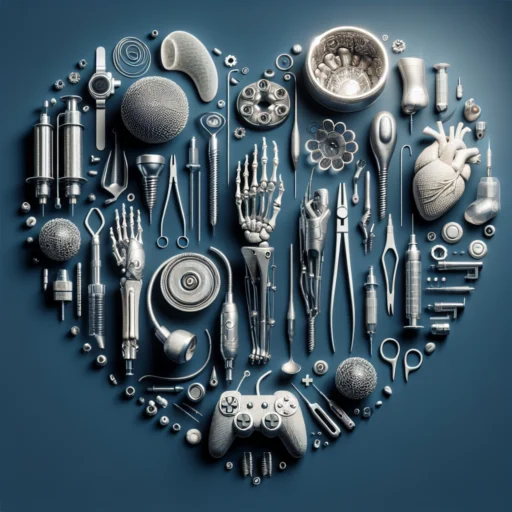
One of the standout applications of 3D printing in healthcare is the creation of personalized prosthetics and orthotics. Traditional prosthetics often come in standard sizes, which can be uncomfortable and not a perfect match for the user. With 3D printing, healthcare professionals can design prosthetics that fit an individual patient’s anatomy perfectly. This customization enhances comfort and functionality, allowing users to engage more easily in daily activities.
For instance, a company called e-NABLE has mobilized a global community of makers who use 3D printing to produce affordable prosthetic hands for children. These devices are not only tailored to the child’s specific measurements but can also feature fun designs and colors, making them more appealing to young users.
Surgical Models and Planning
Before surgeons make incisions, they spend a lot of time planning and visualizing the intricate steps of a procedure. 3D printing offers a groundbreaking tool in this preparatory phase. Surgeons can create accurate anatomical models based on 3D scans of a patient’s organs or structures. This helps them to better understand the patient’s condition and to practice the procedure beforehand.
For example, in complex surgeries, such as heart surgery or tumor removals, having a physical model of the area provides invaluable spatial awareness. It allows surgeons to devise a tailored approach, improving outcomes and potentially reducing operating times.
Bioprinting Tissues and Organs
The concept of bioprinting—using 3D printing technology to create living tissues and organs—is nothing short of astounding. Scientists are experimenting with printing organs like kidneys and livers that could one day alleviate the shortage of transplantable organs. Researchers are using a mixture of living cells and biocompatible materials to create structures that mimic the function and form of real tissues.
While we’re still in the experimental stage, advancements are happening at an impressive pace. Companies like Organovo are already showcasing printed liver tissue that can be used for drug testing, reducing the need for animal trials and ensuring safer medications for human use.
Dental Applications
3D printing is becoming increasingly prevalent in dentistry as well. It allows for the rapid production of crowns, bridges, and orthodontic devices, reducing the time patients have to wait for these treatments. Traditionally, creating custom dental appliances can take weeks. Thanks to 3D printers, this process can now often be completed in a single visit.
Moreover, with 3D imaging technology, dentists can create comprehensive models of a patient’s mouth, leading to more accurate fittings and better outcomes. Whether it’s for aligners in orthodontics or implants, 3D printing is streamlining dental care.
Medical Training and Simulation
Education is another area where 3D printing shines. Medical students and professionals can benefit from hands-on experience with realistic anatomical models. These models enhance learning by allowing students to practice techniques safely without the risk of harming a patient.
A study showed that medical students who used 3D-printed models for practice demonstrated significantly better procedural skills and understanding when compared to those who relied solely on textbooks or lectures. This kind of experiential learning is invaluable in a field where precision is crucial.
Promoting Accessibility
3D printing technology can also help improve healthcare accessibility in underserved communities. With the ability to produce medical supplies locally, clinics can quickly create anything from surgical tools to specialized equipment. This is particularly beneficial in remote areas where importing medical devices might be too costly or time-consuming.
Moreover, organizations and universities are developing projects aimed at establishing 3D printing labs in low-resource settings. These initiatives can significantly decrease healthcare disparities and ensure that everyone has access to vital medical resources.
The versatility of 3D printing in healthcare is genuinely impressive. As technology continues to develop and innovate, we can expect to see even more groundbreaking applications that will change the way we diagnose, treat, and care for patients. While challenges still exist, such as regulatory hurdles and material limitations, the future of healthcare with 3D printing looks brighter than ever. The promise of personalized care and improved outcomes paints a hopeful picture for patients and healthcare providers alike.