

Understanding Different Types of 3D Printing Filaments
3D printing has become a game-changer in various fields, from prototyping to personalized gifts. One of the most thrilling aspects of 3D printing is the wide array of materials you can use in your projects. The filament you choose can significantly impact the outcome of your print, so understanding the different types available can help you make the right choice for your specific needs. So, let’s dive into the fascinating world of 3D printing filaments!
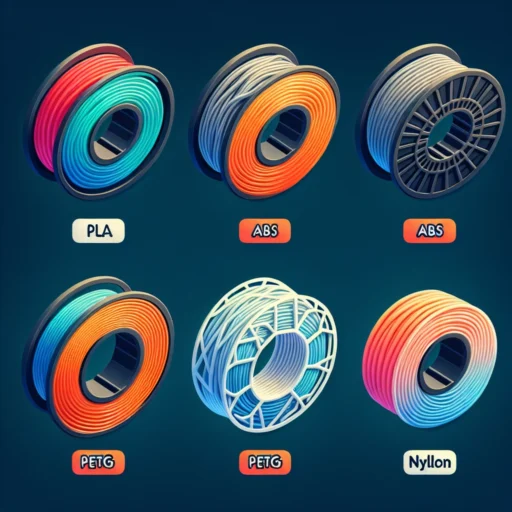
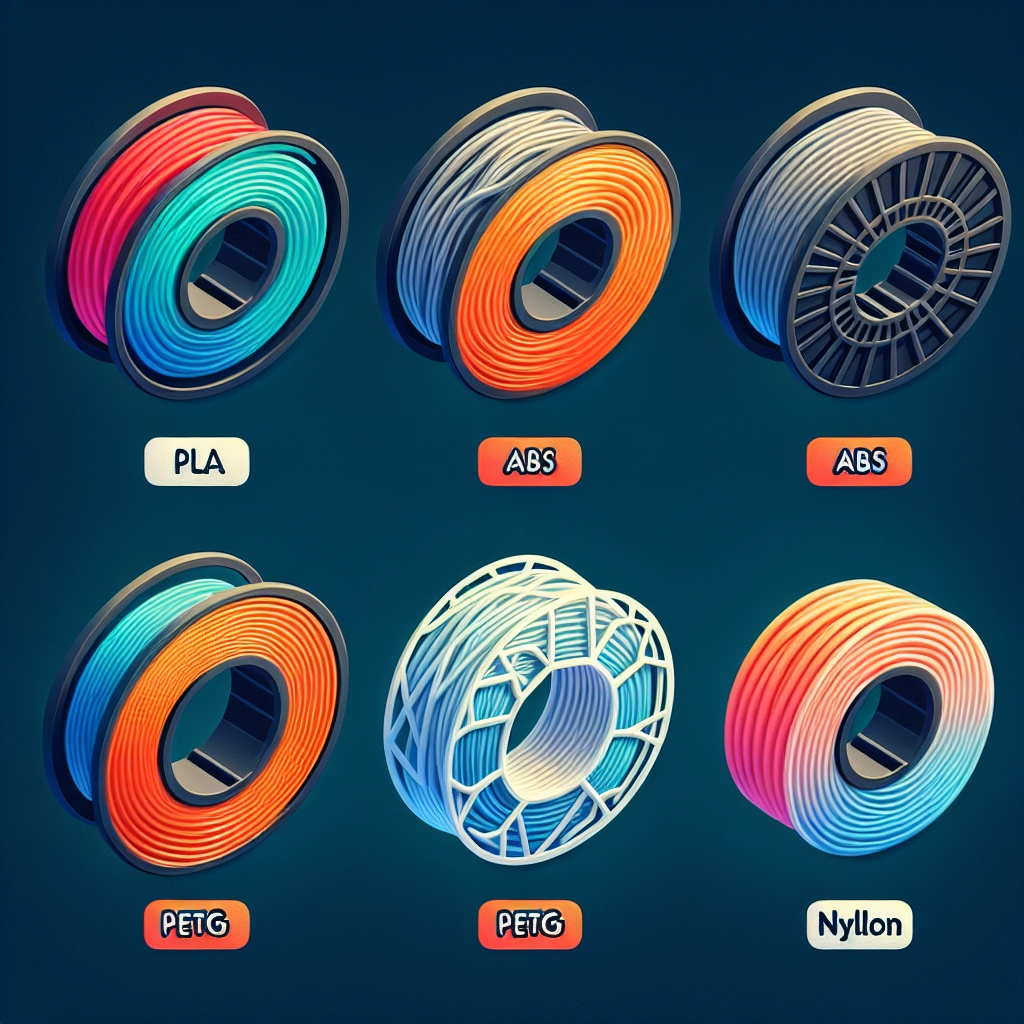
PLA (Polylactic Acid)
Let’s kick things off with the most popular filament: PLA. If you’re new to 3D printing, chances are PLA is the first material you’ll work with. Made from renewable resources like corn starch or sugarcane, it’s biodegradable and pretty eco-friendly.
What makes PLA so appealing? Well, it’s super user-friendly. It adheres well to the print bed, has a low warping rate, and can produce high-quality details, which is perfect for intricate designs and toys. But, it does have some drawbacks. PLA isn’t the best for high-temperature environments since it can soften or warp. So, keep this in mind if you’re working on something that needs to withstand heat.
ABS (Acrylonitrile Butadiene Styrene)
Next up is ABS, another popular choice, especially in the industrial sector. You might recognize it from LEGO bricks! ABS is known for its strength and durability. If you’re looking for something that can handle impacts and stresses, ABS is your go-to.
However, working with ABS can be a bit tricky. It has a higher tendency to warp compared to PLA, making a heated bed almost essential for successful prints. Plus, the fumes emitted during printing are a bit more potent, so good ventilation is a must. But if you’re patient and ready to tackle the learning curve, the results can be well worth the effort!
PETG (Polyethylene Terephthalate Glycol)
If you want the best of both worlds, PETG is your guy. It combines the ease of PLA with the resilience of ABS, making it a favorite among both beginners and seasoned pros. PETG is known for its strength, flexibility, and excellent layer adhesion, making it ideal for functional parts.
One of the standout features of PETG is that it’s both food-safe and recyclable. It’s also resistant to moisture, which is great if you live somewhere humid or are planning to print functional items that may be exposed to the elements. However, it can be slightly more challenging to print than PLA, requiring fine-tuning and a bit of practice to master.
TPU (Thermoplastic Polyurethane)
Now let’s talk about flexible materials, starting with TPU. This filament is perfect if you want to create items that need to bend, stretch, or compress, like phone cases or toys. TPU is rubber-like, which makes it incredibly versatile.
However, printing with TPU does come with challenges. Its flexibility can make it more difficult to feed through your printer, requiring adjustments to your print speed and temperature. But those willing to experiment and troubleshoot often find that the results are incredibly rewarding!
Nylon
When you think of toughness, think of nylon. It’s incredibly strong and durable, making it perfect for functional parts like gears, brackets, or tools. Nylon has excellent abrasion resistance and can handle a significant amount of stress, but it does have its quirks, too.
One of the biggest challenges with nylon is its tendency to absorb moisture from the air, leading to print quality issues. Also, prints can warp if not managed correctly, so a heated bed and proper settings are crucial. If you’re prepared to put in the effort, nylon could be an excellent addition to your 3D printing arsenal.
Specialty Filaments
Besides the standard filaments, there are also specialty options that can be a lot of fun to work with. For instance, filaments infused with metal, wood, or even glow-in-the-dark properties are available. They open up a realm of creative possibilities, but they often require specific printer settings to get just right.
While these specialty filaments can be pricier and sometimes more challenging to print, they allow you to stand out with unique designs and finishes that regular filaments don’t offer.
Final Thoughts
Navigating the world of 3D printing filaments may feel overwhelming at first, but understanding each type’s unique properties and best uses can simplify the decision-making process. The right filament can make a huge difference in your project, whether you’re printing a delicate model or a robust part for everyday use. Just remember, practice makes perfect, and don’t hesitate to explore and experiment with different materials. With creativity and a bit of patience, the possibilities are endless! Happy printing!