
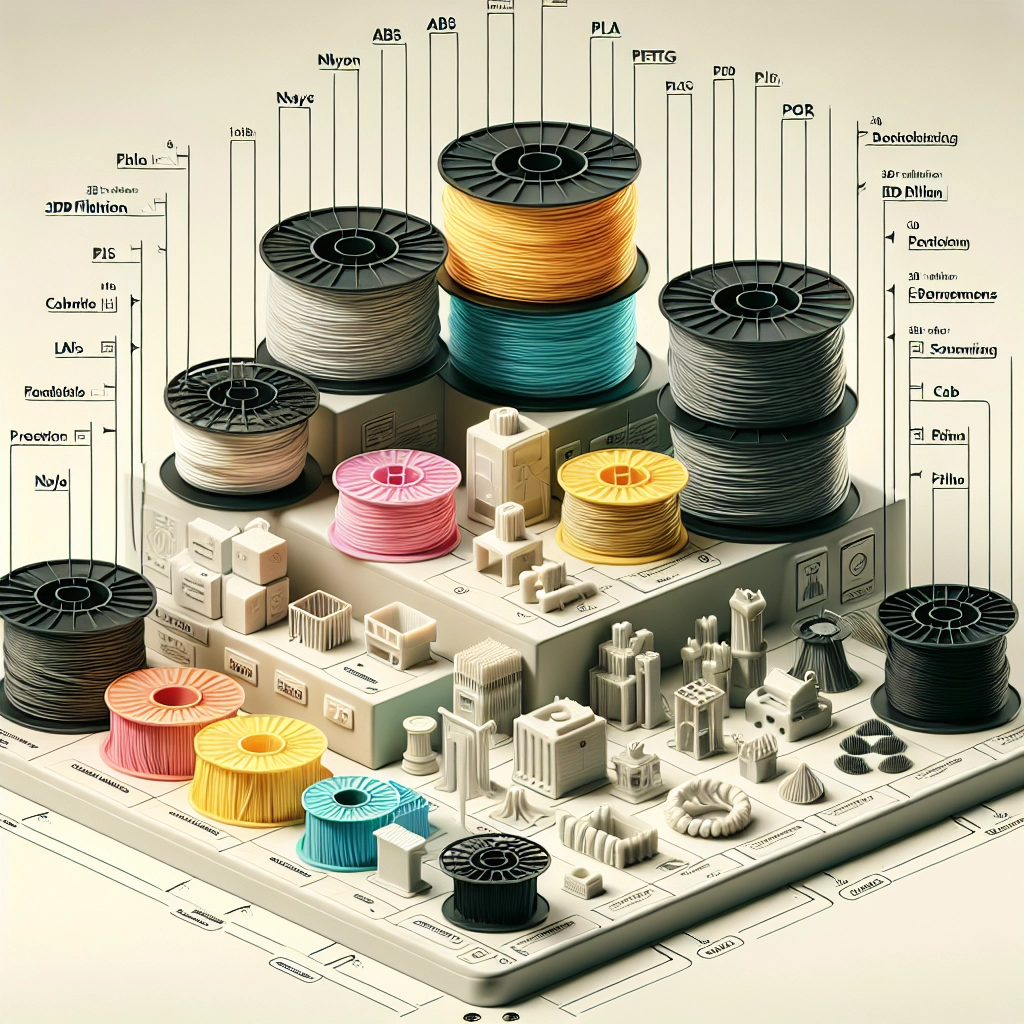

Exploring the Best Types of 3D Filaments for Your Projects
If you’ve recently ventured into the world of 3D printing, you’ve probably come across a bewildering variety of filament options. With each type offering its unique properties, it can be a bit overwhelming to choose the right one for your project. Don’t worry, though! Today, we’ll explore some of the best types of 3D filaments and help you find the perfect fit for whatever you’re creating.
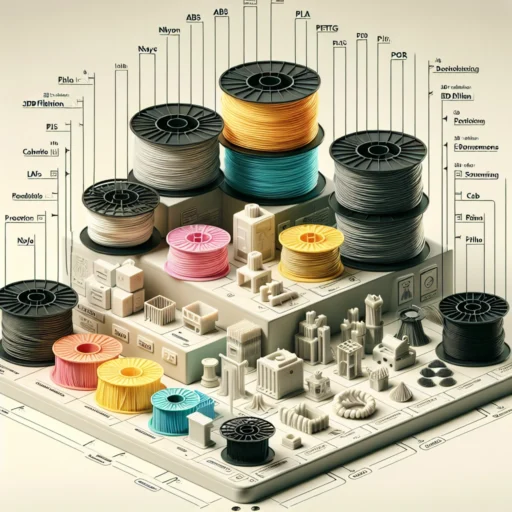
PLA: The Friendly Giant
Starting with the most common and beginner-friendly filament, Polylactic Acid (PLA) is often the go-to choice for new makers. The charm of PLA lies in its ease of use. It adheres well to the print bed, requires minimal temperature adjustments, and doesn’t emit unpleasant odors during printing—making it ideal for home environments.
PLA is derived from plant-based materials like cornstarch or sugarcane, which means it’s biodegradable under the right conditions. This environmentally friendly aspect makes it appealing for those looking to lessen their ecological footprint. Additionally, PLA is available in a vibrant array of colors, perfect for artistic projects or fun desktop models. However, keep in mind that while it’s great for aesthetics, PLA may not be the best choice for functional objects that will experience high heat or mechanical stress.
ABS: The Tough Cookie
For those looking for a sturdy alternative, Acrylonitrile Butadiene Styrene (ABS) might just be the answer. Often used in making anything from LEGO bricks to automotive parts, ABS is known for its strength and durability. If you need a filament that can withstand higher temperatures and is resistant to impact, ABS gets the job done.
That said, working with ABS requires some extra care. The material can warp if not printed with proper bed adhesion and temperature control. It also emits fumes during printing, which makes it advisable to work in a well-ventilated area. With the right setup, however, ABS can yield fantastic results for functional parts, prototypes, and models that need a little more toughness.
PETG: The Best of Both Worlds
Looking for something that combines the best qualities of PLA and ABS? Enter PETG (Polyethylene Terephthalate Glycol-Modified). This filament is a versatile option that provides excellent durability without the downsides of warping or unpleasant odors associated with ABS.
PETG is known for its resistance to moisture and is less brittle than PLA, making it great for functional parts that might get wet or are subject to daily wear and tear. It’s become popular for everything from custom water bottles to outdoor gear. Plus, it’s easy to print with and adheres well to the print bed. Just make sure you set your printing speed to a moderate pace, as PETG can string a bit compared to other filaments.
TPU: The Flexible Friend
If you’re venturing into the realm of flexible prints, Thermoplastic Polyurethane (TPU) is your go-to filament. TPU is a flexible material that allows you to create pieces that can bend and stretch without breaking—think phone cases, wearable tech, and even fun toy prototypes.
Printing with TPU can be a slight challenge since the filament is softer and requires a well-calibrated 3D printer to manage the extruder correctly. However, the end results are worth it! TPU’s elasticity opens up a world of creative potential, especially for those interested in functional, flexible designs.
Nylon: The Heavyweight Champion
For projects that demand resilience and toughness, nylon filaments are unmatched. Known for their strength and flexibility, nylons are often used in applications where durability is critical, like gears, mechanical parts, and various engineering applications.
That said, nylon can be challenging to print. It tends to absorb moisture from the air, which can lead to prints that appear rough or finish poorly. A solid enclosure and high-temperature setup are recommended to achieve optimal results. If you’re ready to delve into advanced printing, nylon could elevate your projects significantly.
Choosing the Right Filament
As you embark on your 3D printing journey, remember that the right filament often depends on your specific project needs. Whether you’re creating an intricate model, a functional part, or something in between, understanding the strengths and weaknesses of each filament type will guide you in making informed choices.
There’s no one-size-fits-all in the world of 3D printing; each filament has its unique advantages waiting to be harnessed. As technology evolves and new materials come to light, stay curious and embrace experimentation. After all, the thrill of creating something new is what 3D printing is all about! Happy printing!