

3D Printing for Eco-Conscious Makers: Biodegradable Filaments and Practices
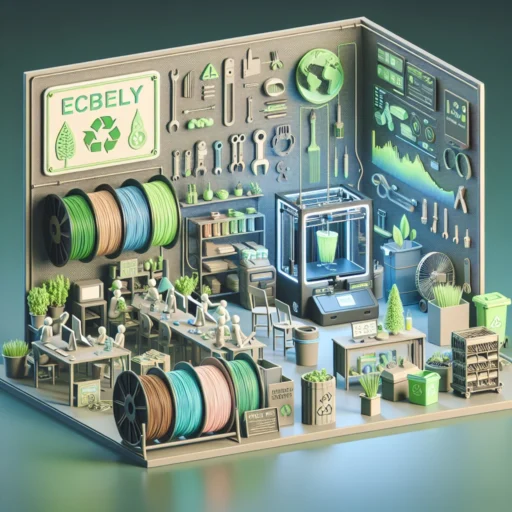
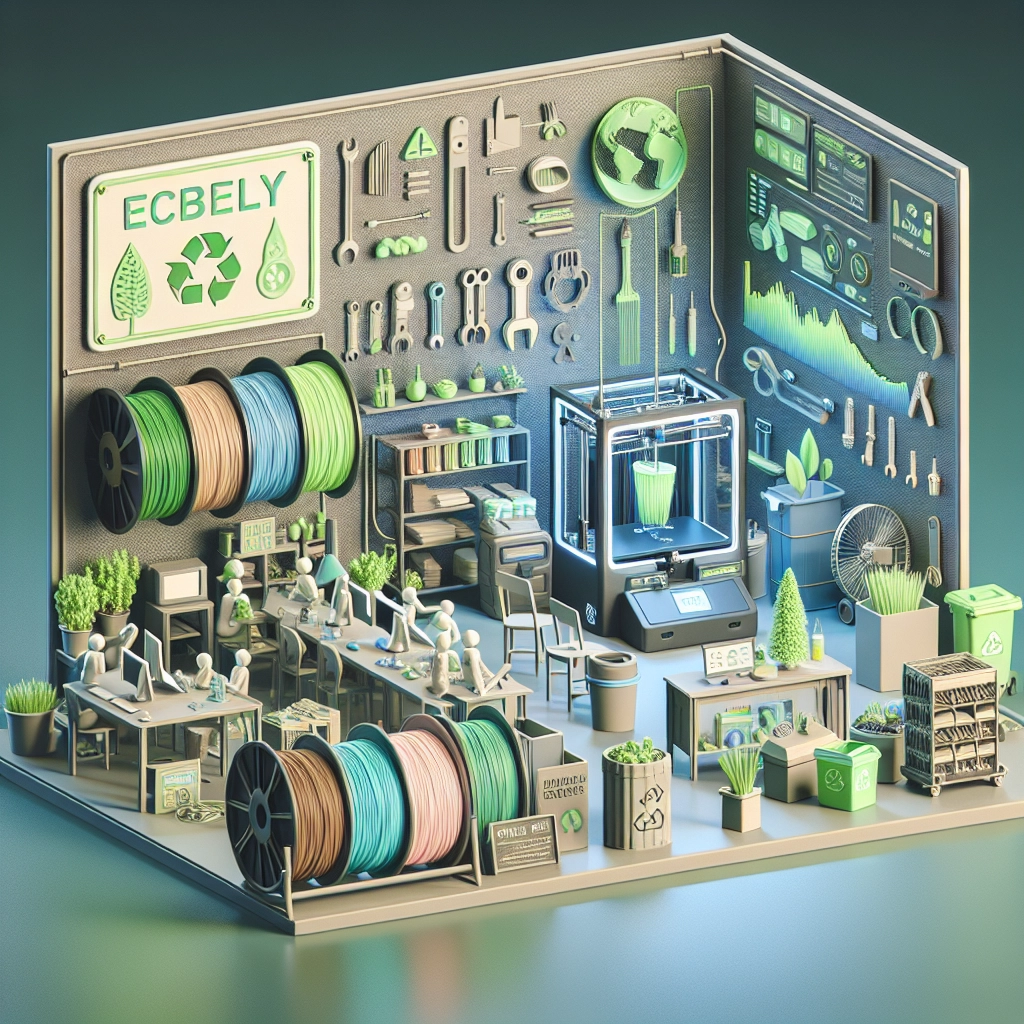
3D printing has revolutionized the way we create and prototype, but as with many technological advances, it hasn’t come without its environmental concerns. Traditional 3D printing materials, particularly plastics, are notorious for their environmental footprint. Luckily, many makers are stepping up and exploring eco-friendly alternatives. Enter biodegradable filaments and sustainable practices that can help reduce the environmental impact without compromising creativity. If you’re a maker who’s eco-conscious, let’s dive into the world of green 3D printing!
Why Biodegradable Filaments?
Before we explore some of the options, it’s essential to understand why using biodegradable filaments is a game-changer for the planet. Standard 3D printing filaments, like PLA (polylactic acid) and ABS (acrylonitrile butadiene styrene), can endure for hundreds of years in landfills. In contrast, biodegradable options offer a more sustainable pathway by breaking down into non-toxic components under the right conditions. This can significantly reduce the quantity of waste produced by the 3D printing community.
Types of Biodegradable Filaments
1. PLA (Polylactic Acid)
PLA is one of the most widely used biodegradable filaments. Made from renewable resources like cornstarch or sugarcane, PLA is easy to print with and offers a shiny, smooth finish. Being biodegradable, it breaks down under certain conditions, typically in composting facilities, turning back into harmless substances. While PLA is the go-to choice for many makers, it’s essential to note that it doesn’t break down quickly in a regular landfill environment.
2. PHA (Polyhydroxyalkanoates)
PHA is another exciting biodegradable polymer produced by bacteria through fermentation. It naturally decomposes in soil and marine environments, making it an excellent alternative for eco-conscious makers. Although PHA filaments can be a bit pricier than PLA, they excel in mechanical properties, offering a balance of flexibility and strength—great for functional prototypes!
3. PETG with Recycled Content
While PETG (glycol-modified polyethylene terephthalate) isn’t biodegradable in the traditional sense, it’s worth mentioning because of its recyclability. Some manufacturers have started producing PETG from recycled materials, making it a more sustainable option. The material is durable, impact-resistant, and suitable for various applications, proving that not all plastics are created equal.
4. Other Bioplastics
There are emerging bioplastics, such as TPU (thermoplastic polyurethane) blended with natural fibers, which can offer both biodegradability and enhanced performance. These are still relatively new in the market but can provide unique printing possibilities while being conscious of the environment.
Sustainable Practices for Makers
Beyond choosing the right materials, adopting sustainable practices is a key way for makers to reduce their environmental footprint. Here are some thoughtful practices to integrate into your 3D printing journey:
1. Print Efficiently
Get tech-savvy with your slicing software. Utilize settings like lower infill percentages, optimized support structures, or variable layer heights to use less filament while still maintaining the integrity of your prints. Efficient designs not only save you material but also reduce energy consumption.
2. Reduce Waste
Every maker knows the pains of failed prints. Instead of tossing failed prints or support structures into the trash, consider recycling them. Some companies offer filament recycling services, or you can invest in a filament shredder to turn your misprints into new filament.
3. Embrace Local and Community-Based Solutions
Supporting local businesses that produce eco-friendly materials can cut down on transportation emissions. As a community, consider collaborating on projects that promote sustainability, like shared resources for 3D printing or hosting community recycling days for failed prints and scraps.
4. Engage with the Community
Join forums and social media groups dedicated to eco-friendly 3D printing. Sharing knowledge and experiences can inspire others to adopt sustainable practices. Plus, it opens up a treasure trove of ideas for new projects!
The Path Ahead
As the world shifts towards more sustainable practices, makers have a unique opportunity to champion eco-friendly 3D printing. With biodegradable filaments at their disposal and an array of sustainable practices to incorporate, eco-conscious makers can create without compromise. Remember, every small action contributes to a larger change. By embracing these alternatives, we’re not just printing models—we’re shaping a more sustainable future for our planet. So, whether you’re printing for fun, prototyping, or engaging in community projects, let your creativity serve the earth as much as it serves your imagination!