

3D printing has undeniably revolutionized the way we create and innovate. From hobbyists crafting miniature models to engineers prototyping cutting-edge components, the potential is limitless. But if you’ve dipped your toes into this fascinating world, you probably know that not all filament is created equal. The quality of filament can make or break your project, affecting everything from print accuracy to the durability of the final product. So, why does filament quality matter, and how can it elevate your 3D printing experience? Let’s dive in!
The Basics of Filament Quality
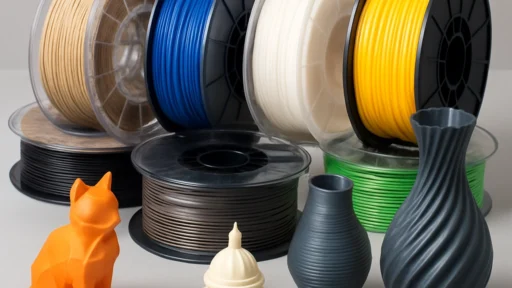
Filament is the material that feeds into your 3D printer to create objects layer by layer. Common types include PLA, ABS, PETG, and TPU, with each serving different purposes and applications. Quality filament, defined by its consistency, purity, and performance characteristics, significantly influences the print quality and overall experience. Imagine baking a cake—using top-notch ingredients will yield a fluffy and delicious treat, while subpar choices could lead to something less than appetizing. The same principle applies to 3D printing!
Print Accuracy and Detail
Let’s start with one of the most crucial aspects: accuracy. High-quality filament behaves more predictably during the printing process. Consistent diameter and smooth extrusion result in better layer adhesion and more precise dimensions, which is vital for parts that need to fit together seamlessly. Imagine creating a custom smartphone case; a discrepancy of a millimeter can lead to a frustrating experience if the case doesn’t fit.
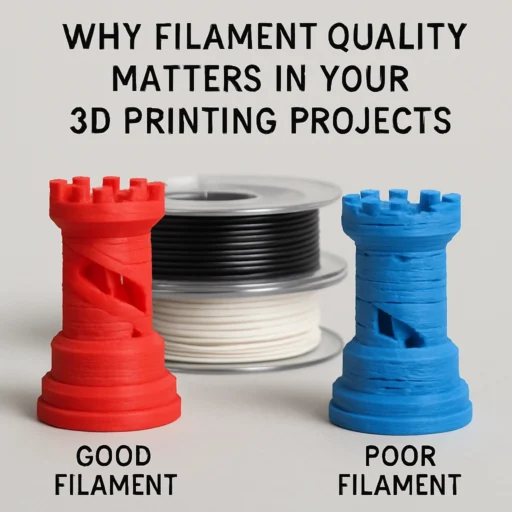
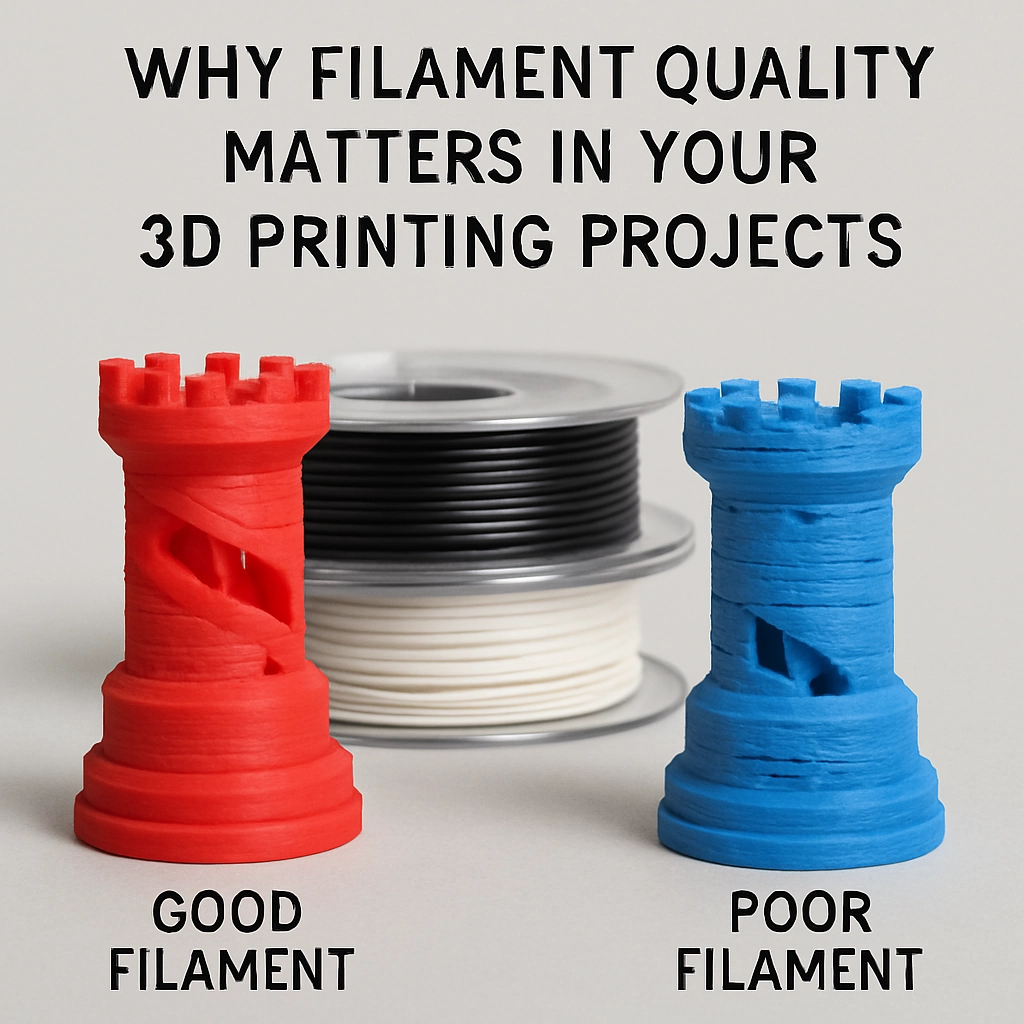
Furthermore, quality filament can produce finer details. While intricate designs might look stunning on the computer screen, they demand a filament that can accurately reflect those details during printing. Poor-quality filaments often lead to clogged nozzles or uneven extrusion, turning your artistic vision into a messy blob. Investing in quality can save you from those painful moments of disappointment.
Strength and Durability
Now, consider the functional aspects of your prints. If you’re crafting items meant for everyday use, like tools or functional prototypes, the material needs to be strong and resilient. High-quality filaments offer better tensile strength and impact resistance. A product made with inferior materials may look great but could easily snap or wear away under stress.
For instance, if you’re printing a functional bracket that needs to support weight, choosing a filament renowned for its mechanical properties is crucial. Materials like nylon or polycarbonate, despite being a bit pricier, can significantly enhance the durability of your prints, ensuring they last longer and perform better in real-world applications.
Surface Finish and Aesthetics
Let’s not overlook the visual appeal! Quality filament contributes to a smoother surface finish, enhancing the aesthetics of your prints. When the right filament is fed into your 3D printer, you can achieve a professional look with clean lines and minimal defects. If your goal is to showcase an artistic piece, having an eye-catching surface finish can make a world of difference.
Some filaments even come with unique finishes, like metallic or matte appearances. These can add a special touch to your projects and can be the difference between an everyday item and a showstopper.
Consistency and Reliability
Another essential factor is consistency. A reliable filament means fewer print failures, less frustration, and ultimately, a more enjoyable 3D printing experience. Quality manufacturers perform stringent quality control to ensure that every spool of filament meets specific standards. They test for dimensional accuracy, color consistency, and material properties, giving you confidence that what you’re buying will perform as expected.
Conversely, low-quality filaments may vary in diameter or contain impurities, leading to uneven extrusion or unreliable performance. This variability can result in wasted time and resources as you attempt to troubleshoot ongoing print failures.
Cost vs. Value
While it may be tempting to save a few bucks by opting for budget filament, it’s essential to consider the long-term value. Yes, high-quality filaments might cost more upfront, but they usually translate to better performance, less downtime, and fewer failed prints. When you factor in the time saved and the potential need for reprints, that savings can slip away quickly.
For those serious about 3D printing—whether for fun or for business—investing in high-quality filament can profoundly impact your success. It enhances your prints’ appearance, strength, and reliability while reducing failure rates and frustrations.
So, the next time you gear up for a new project, remember that your choice of filament is just as crucial as your printer itself. Quality filament can transform a simple idea into a tangible, beautiful creation, allowing your innovation to truly shine. Happy printing!