

A Beginner’s Guide to Choosing 3D Filaments
If you’re venturing into the exciting world of 3D printing, you’ve probably realized that choosing the right filament is just as crucial as picking the perfect model to print. With so many options available, the filament aisle can feel a bit overwhelming. Fear not! In this beginner’s guide, we’ll break down the essentials to help you choose the right 3D filament for your projects, so let’s roll up our sleeves and dive in!
Understanding the Basics of Filaments
Before you dive into the specifics, it’s essential to understand what 3D filament is. It’s the material that your 3D printer uses to create objects. The most common 3D printers use a technology called Fused Deposition Modeling (FDM), which works by heating the filament until it becomes malleable and then extrudes it layer by layer to construct a 3D object.
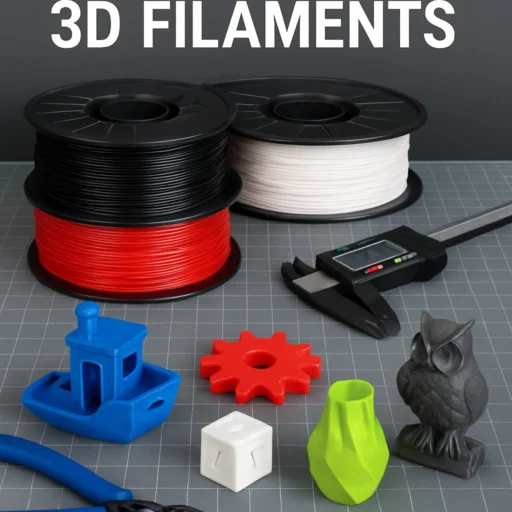
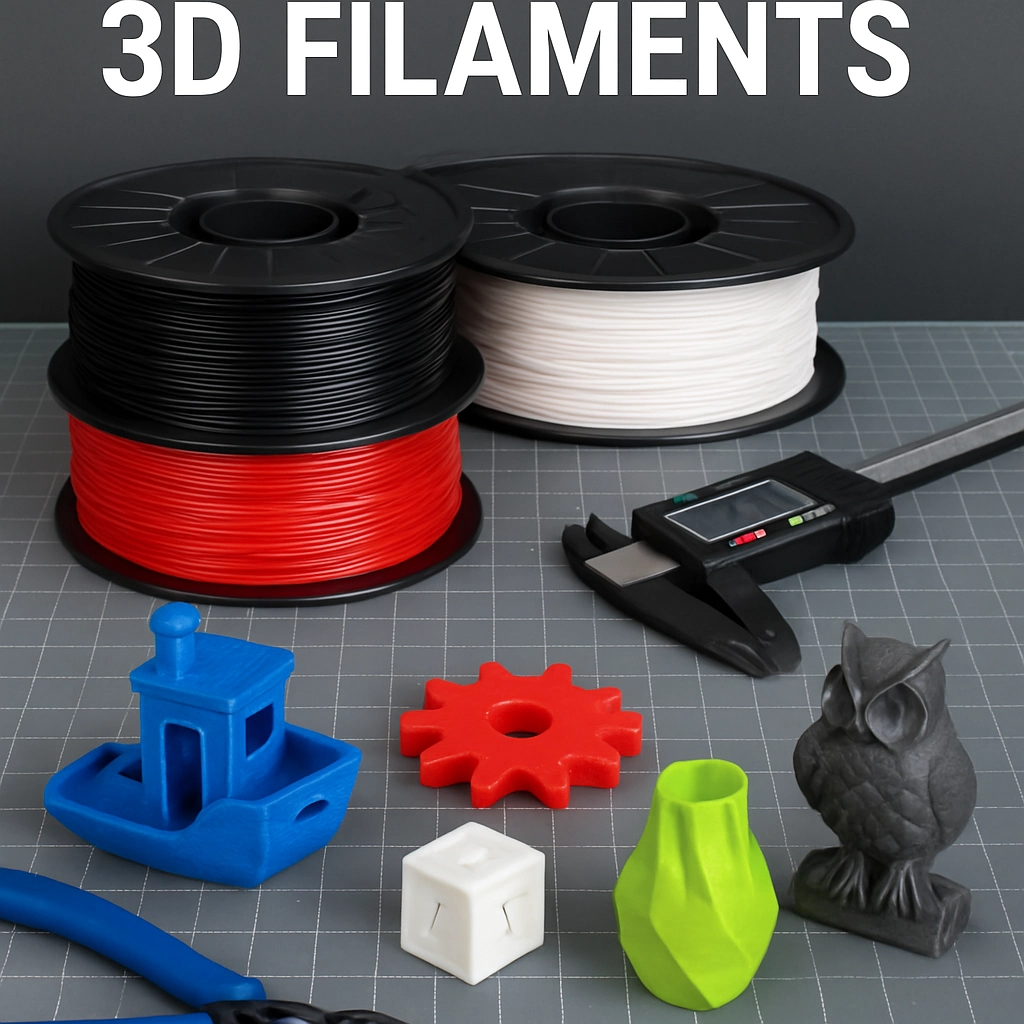
Now, filaments come in various materials, each with distinct properties and ideal use cases. Here are the most popular options you’ll come across:
1. PLA (Polylactic Acid)
PLA is the go-to filament for beginners and hobbyists alike. It’s made from renewable resources like corn starch or sugarcane, making it environmentally friendly. It’s easy to print with, has excellent adhesion, and doesn’t warp much, which are fantastic attributes for anyone new to 3D printing.
Not only does PLA come in various colors, but it’s also safe to print indoors as it emits little to no odor. The downside? PLA is not the most durable filament, and it tends to be less heat-resistant, which means it could warp in hot environments. So, if you’re creating decorative items or prototypes, PLA is your best bet!
2. ABS (Acrylonitrile Butadiene Styrene)
Next on the list is ABS, a tougher filament often used in commercial applications. ABS is known for its strength and heat resistance, making it suitable for items that may experience wear and tear, like tools or parts of a hobby project. However, the printing process can be trickier, as it requires a heated bed to reduce warping.
One thing to keep in mind is that ABS emits fumes when heated, so good ventilation is a must. If you’re prepared to handle a few more challenges, though, ABS can yield fantastic results with its glossy finish and durability.
3. PETG (Polyethylene Terephthalate Glycol)
PETG is a good middle ground between PLA and ABS. It’s relatively easy to print with while offering excellent durability and flexibility. Plus, it’s recyclable, which adds an eco-friendly advantage. If you’re looking to print functional parts that need to be somewhat resistant to impact and temperature, PETG may be the way to go.
What really sets PETG apart is its resistance to moisture, which makes it great for items that might face a little humidity or water exposure.
4. TPU (Thermoplastic Polyurethane)
If you’re feeling adventurous, consider trying TPU. This flexible filament can create items like rubbery toys, phone cases, or custom gaskets. Printing with TPU can be a little more challenging because of its flexibility, which can cause feeding issues in some printers.
However, if you’re interested in making products with some bendability, TPU can open up a world of creative possibilities!
5. Specialty Filaments
As you gain experience and confidence, you may want to explore specialty filaments like wood-filled, metal-infused, or glow-in-the-dark filament. These can add unique finishes and characteristics to your prints, but keep in mind that they may require specific print settings and nozzle types.
Tips for Choosing the Right Filament
When picking out your filament, it may help to consider a few factors:
- Intended Use: Ask yourself what you’re planning to create. Are you making prototypes, decorative pieces, or functional parts?
- Printer Compatibility: Not all filaments play well with every printer. Check your 3D printer specifications to ensure it can handle the filament type you choose.
- Print Settings: Different filaments have different optimal temperature settings. Make sure your printer can reach the required temperature for the filament you want to use.
Final Thoughts
Choosing the right filament for your 3D printing projects might seem daunting at first, but it’s all about knowing the characteristics of each type and considering your specific needs. Start with a material that fits your comfort level, like PLA, and don’t hesitate to experiment as you grow more confident in your printing skills. The world of 3D printing is vast and filled with creative possibilities. So go ahead, choose your filament, and let your imagination take flight! Happy printing!