

Beginner Mistakes to Avoid When Using a 3D Printer
Ah, the wonders of 3D printing! If you’re like many people, the thought of transforming a digital design into a tangible object within hours is nothing short of magical. But let’s be real, jumping into the world of 3D printing can sometimes feel a bit overwhelming. With all the settings, materials, and maintenance calls, it’s easy to stumble into common pitfalls. Fear not! Here’s a friendly guide to help you navigate some of the beginner mistakes that are often made when using a 3D printer.
Ignoring Printer Calibration
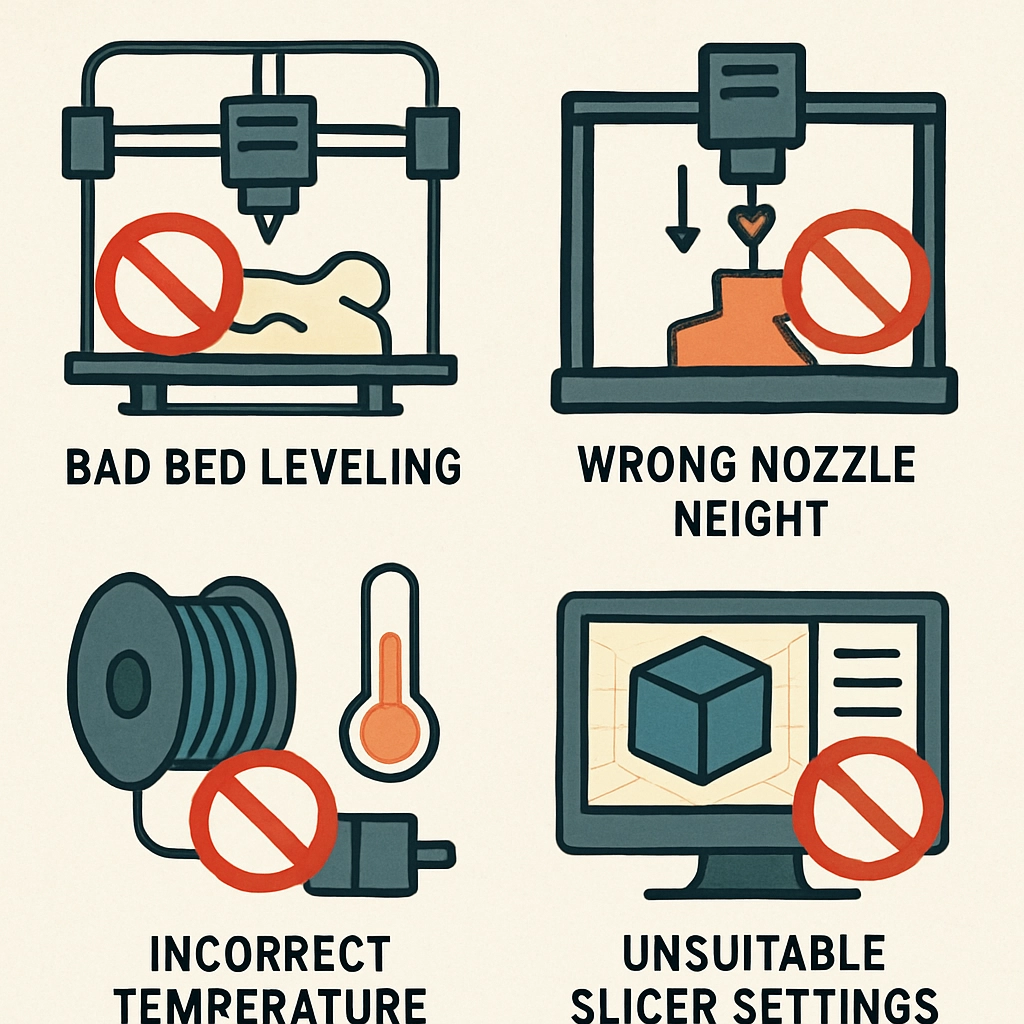
One of the first things you should do when setting up your 3D printer is to ensure it’s properly calibrated. This means checking the bed leveling, extruder settings, and filament diameter. A poorly calibrated printer can lead to all kinds of disasters, like uneven layers or, worse, a failed print altogether. Take your time with this step; it can make a huge difference in the outcome of your projects. Regularly calibrating your printer is key, especially if you move it or change the printing material.
Skipping the Slicing Software
After you’ve got your model and your 3D printer set up, you might be tempted to hit “print” and walk away. Not so fast! Slicing software is crucial because it translates your 3D model into a language your printer understands. This software allows you to adjust settings like layer height, speed, and infill density. Neglecting to choose the right settings can lead to prints that are too fragile or take an eternity to finish. Take some time to familiarize yourself with the slicing software, experimenting with different settings to see how they affect your final prints.
Choosing the Wrong Filament
If you’re just starting out, it can be tempting to grab any filament without doing a little research first. But not all filaments are created equal! For beginners, PLA (Polylactic Acid) is usually recommended because it’s easy to use, biodegradable, and doesn’t require a heated bed. Other materials, like ABS (Acrylonitrile Butadiene Styrene) or PETG, have their quirks, such as a tendency to warp or require more advanced printing techniques. Make sure you understand your printer’s compatibility with the filament you choose, and start with something simple until you gain confidence.
Neglecting Post-Processing
Printing the object is only half the battle. Post-processing often gets overlooked, but it’s an integral part of achieving the smooth finish you might desire. After printing, you may need to sand, paint, or prime your creation to get the look you want. Don’t skip this step! The optimization of your print not only boosts aesthetics but can also enhance the object’s durability.
Not Educating Yourself About Your Printer
Each 3D printer comes with its quirks and specifications. Beginners frequently overlook the importance of reading the manual or watching a few tutorials on setup, maintenance, or troubleshooting. Some functions, like bed adhesion techniques or nozzle cleaning, are best learned ahead of time. Additionally, engaging with online communities, forums, and social media groups related to 3D printing can offer invaluable tips and support. Early investment in knowledge can save you a ton of frustration down the line.
Printing Too Quickly
Impatience can be a common theme for new 3D printing enthusiasts. While we all want that beautiful print to materialize rapidly, it’s critical to remember that quality takes time. Trying to rush the process by increasing print speeds may result in lower quality prints and wasted materials. The best approach is to find a balance between speed and quality, especially when experimenting with new designs. Patience truly is a virtue in the art of 3D printing.
Underestimating Maintenance Needs
Just like a car, your 3D printer requires regular maintenance to keep it running smoothly. Neglecting these tasks can lead to a slew of problems, including clogged nozzles, misalignment, and printer failures. Schedule regular check-ups where you clean the nozzle, check belts, and perform any necessary updates. Building these habits early will ensure that your 3D printing journey runs as smoothly as possible.
Diving into the world of 3D printing can be an exciting venture, filled with creativity and invention. By keeping these common beginner mistakes in mind, you’ll be well on your way to producing stunning prints while avoiding frustration. Every misprint or malfunction is a stepping stone toward mastery. So, embrace the learning process, and before you know it, you’ll be creating with confidence and creativity, bringing your ideas to life in three dimensions! Happy printing!