

Bamboo Filament: A Sustainable Option for 3D Printing
In recent years, as the world has become more environmentally conscious, sustainability has emerged as a critical component of technology and manufacturing. One particularly fascinating innovation in the 3D printing space is bamboo filament. This eco-friendly material isn’t just a trend—it’s a step toward more sustainable practices in the realm of additive manufacturing. But what exactly is bamboo filament, and why is it becoming increasingly popular among 3D printing enthusiasts? Let’s dive in!
What is Bamboo Filament?
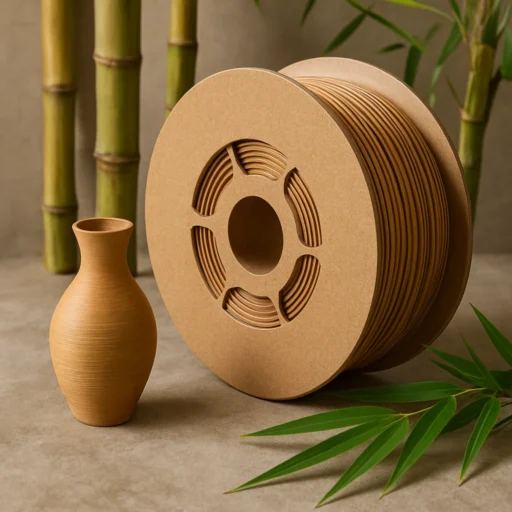
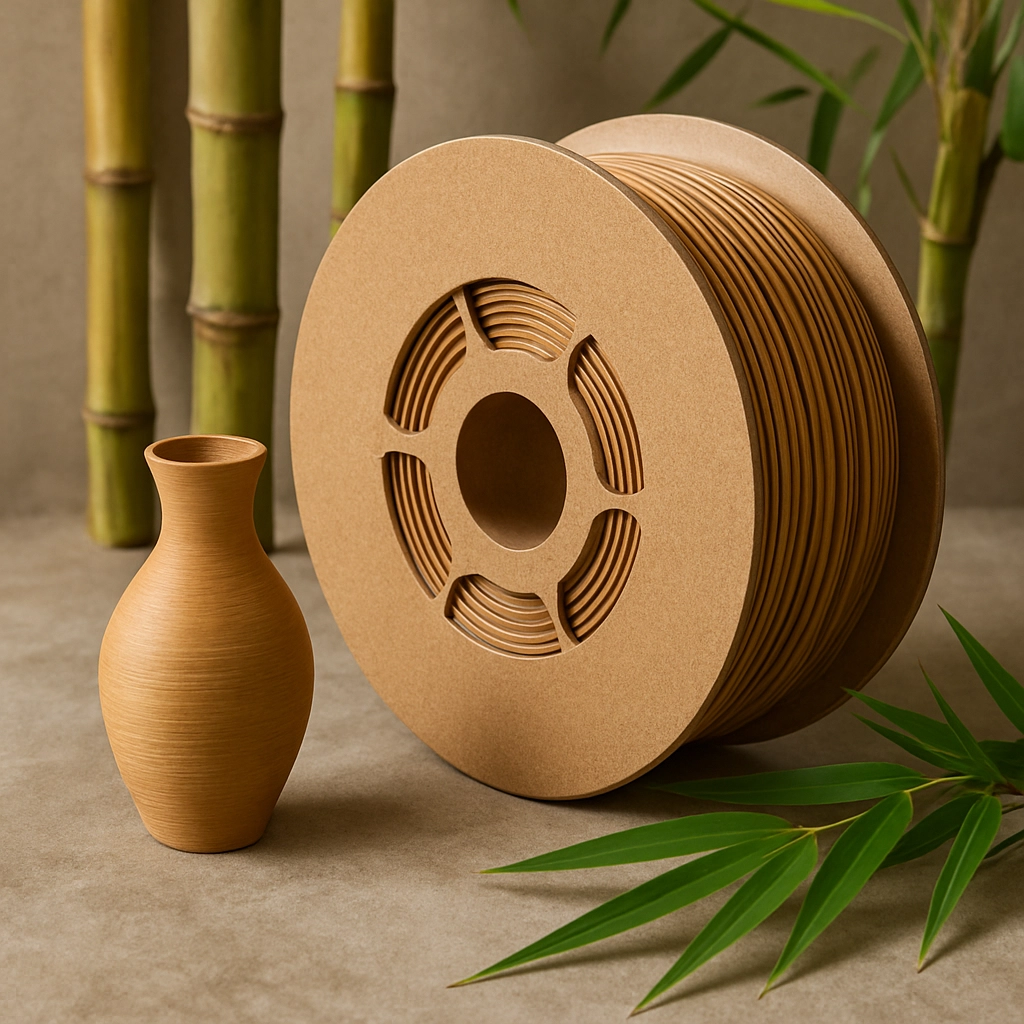
Bamboo filament is a type of biodegradable 3D printing material made from a blend of polylactic acid (PLA) and finely powdered bamboo. PLA itself is derived from renewable resources like cornstarch or sugarcane, making it a greener alternative to traditional plastic filaments. By incorporating bamboo into the mix, manufacturers create a composite that not only looks great but also brings the environmental benefits of bamboo, a fast-growing and renewable plant.
One of the most compelling aspects of bamboo filament is its unique aesthetic qualities. It offers a beautiful, natural wood-like finish, making it ideal for artistic projects and functional prints where aesthetics matter. Whether you’re crafting a decorative item for your home or designing a prototype for a new product, bamboo filament can lend an organic touch that standard plastics just can’t match.
The Environmental Benefits
The push for sustainability isn’t just a buzzword; it’s essential for the health of our planet. Bamboo is known for its rapid growth and minimal resource consumption—some species can grow up to three feet in a single day! This makes it a fantastic candidate for sustainable sourcing. Moreover, bamboo absorbs carbon dioxide and releases oxygen, contributing positively to the environment even as we use it in products.
When you use bamboo filament for 3D printing, you’re opting for a material that is fundamentally biodegradable. While traditional plastics can take hundreds of years to decompose, bamboo filament can break down more easily in composting environments, offering a more responsible way to dispose of your 3D printed creations.
Printing with Bamboo Filament
If you’re already familiar with 3D printing, using bamboo filament will be a fun and relatively straightforward experience. Printing with bamboo filament does have a few unique characteristics. Here are a few tips to ensure your printing process goes smoothly:
-
Nozzle Temperature: Bamboo filament generally prints well at a nozzle temperature similar to that of PLA, usually around 190°C to 220°C. Make sure to check the specific recommendations from your filament supplier, as brands may have slight variations.
-
Bed Adhesion: To ensure good adhesion during printing, it’s advisable to use a heated bed set around 40°C to 60°C. Some users find that using a blue painter’s tape or glue stick can help with adhesion, preventing warping and ensuring a smooth print.
-
Speed Settings: Printing speed is another variable to consider. Slower speeds, around 40–60 mm/s, can yield better results, especially for intricate designs.
-
Post-Processing: Once your print is complete, you may want to lightly sand or polish the surface to enhance its wood-like finish. It’s also possible to apply oils or stains for a more refined final touch.
-
Storage: Like other filament materials, bamboo filament is hygroscopic, meaning it can absorb moisture from the air. Be sure to store it in a cool, dry place and consider using desiccants in your filament storage box.
Where to Get Bamboo Filament
Bamboo filament is available from various providers, typically alongside other specialty filaments like PETG, TPU, and carbon fiber blends. Major brands in the 3D printing community like ColorFabb and Proto-Pasta have released bamboo blends, and it’s worth checking out your favorite 3D printing supplies retailer for options. As it’s gaining popularity, you’ll likely find even more choices in your local craft or hobby stores.
Is Bamboo Filament Right for You?
If you’re invested in sustainable practices and are looking to reduce your environmental footprint, bamboo filament is an excellent choice. It embodies the spirit of innovation while respecting nature, which is a big win for anyone looking to make more conscious decisions. Plus, the extraordinary finish and tactile appeal of bamboo filament can take your 3D printing projects to an entirely new level.
So, whether you’re a seasoned 3D printing pro or just dipping your toes into the world of additive manufacturing, consider giving bamboo filament a try. You might just find that it’s the perfect material to bring your creative ideas to life, all while making a positive impact on the planet. Happy printing!