
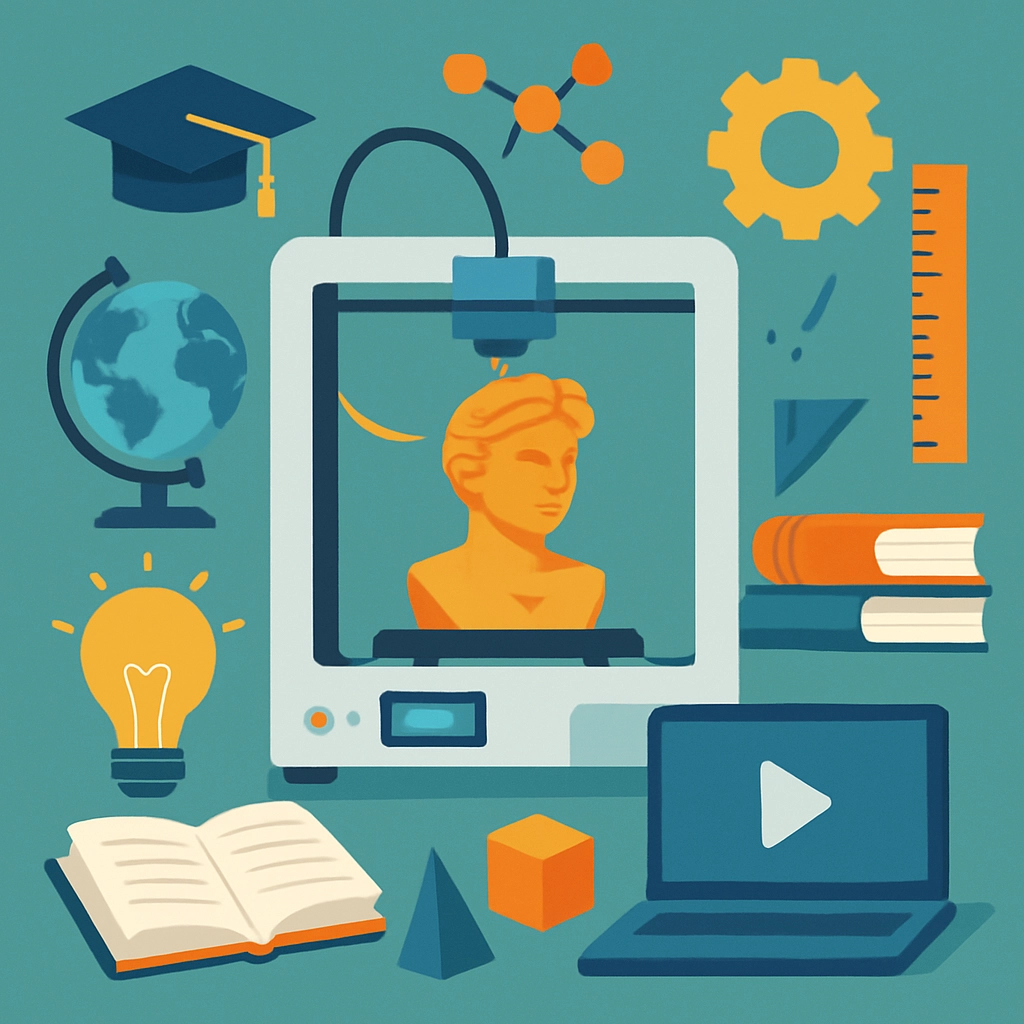

The Impact of 3D Printing on Education and Learning
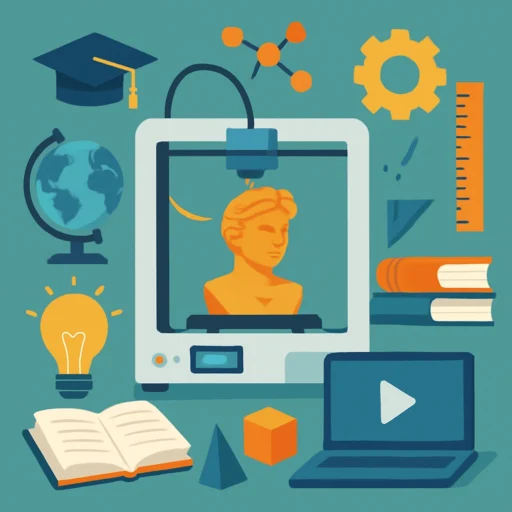
In recent years, technology has transformed the landscape of education, and one of the most exciting advancements is 3D printing. Gone are the days when learning was limited to textbooks and chalkboards. With 3D printing now bubbling up in classrooms and educational institutions, it’s clear that this technology has the potential to revolutionize the way students engage with and understand complex concepts. But just how is 3D printing impacting education and learning? Let’s dive into the fascinating world of additive manufacturing and uncover its benefits in the educational sphere.
Bringing Ideas to Life
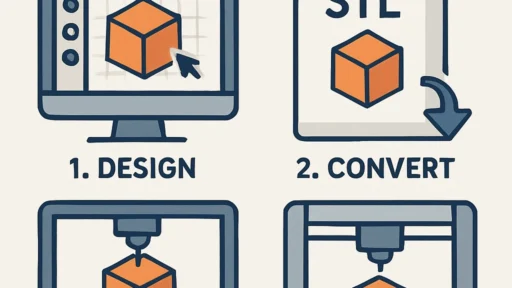
At the heart of 3D printing is the ability to turn digital models into tangible objects. This has some incredible implications for education. Imagine a student learning about anatomy: instead of relying solely on diagrams in a textbook, they can hold a 3D-printed model of a heart, inspecting its intricate structures. This hands-on approach allows learners to better visualize and understand complex subjects, leading to deeper comprehension.
For fields like engineering and architecture, 3D printing offers students the chance to prototype their designs, making it easier to iterate and improve. This creative process fosters critical thinking and problem-solving skills, preparing students for real-world challenges.
Encouraging Collaboration and Creativity
3D printing isn’t just about individual learning; it also inspires collaboration among students. Working on group projects, students can collectively design and print their creations, learning valuable teamwork skills along the way. This collaborative environment encourages open communication, idea sharing, and constructive feedback.
Moreover, the accessibility of 3D printing allows students to express their creativity. They can design and print anything from art pieces to functional tools, integrating technology into their craft. This fusion of creativity and technology not only makes learning more enjoyable but also empowers students to be innovators.
Personalized Learning Experiences
Every student learns differently, and 3D printing can cater to a wide array of learning styles. Visual learners, for instance, benefit from seeing and manipulating 3D models, while kinesthetic learners thrive in hands-on activities. 3D printing can serve as a powerful tool to create personalized learning experiences that resonate with diverse learner needs.
For students who struggle with traditional learning methods, 3D printing can make subjects like mathematics or science much more approachable. By transforming abstract concepts into concrete objects, students can better grasp difficult topics, boosting their confidence and motivation.
Enriching STEM Education
One area where 3D printing shines is in STEM (science, technology, engineering, and mathematics) education. As schools strive to cultivate the next generation of innovators, 3D printing acts as a bridge connecting theoretical concepts with their practical applications. Projects that blend robotics, engineering, and computer-aided design (CAD) spark curiosity and excitement in students, steering them toward careers in these critical fields.
Moreover, many educational institutions are incorporating 3D printing into their curricula, showcasing the relevance of technology in the job market. This kind of exposure can inspire students to pursue further education and careers in STEM, which are vital for the economy.
Addressing Accessibility and Inclusivity
3D printing also holds the promise of enhancing accessibility in education. Customized learning tools can be produced to meet the unique needs of students with disabilities. For example, tactile learning aids can help visually impaired students engage more effectively with lesson content. Similarly, educators can create specialized resources for students with different learning challenges, ensuring every learner has an equal opportunity to succeed.
In addition, 3D printing isn’t confined to the classroom. With access to 3D printing technology, students can continue to explore and create outside of school hours. This fosters a culture of curiosity and lifelong learning, encouraging students to become self-directed learners.
The Future of Learning
As 3D printing technology becomes more advanced and accessible, its role in education will undoubtedly expand. Schools, colleges, and universities continue to integrate this innovative technology into their teaching methods, helping to prepare students for the increasingly digital workforce.
While 3D printing is still a relatively new tool in education, its potential impact is undeniable. As students bring their ideas to life, collaborate on projects, and engage with interactive learning experiences, they are not just learning content—they’re gaining invaluable skills for the future. Who knows? The next great inventor or scientist could very well emerge from a classroom buzzing with 3D printers, shaping the world in ways we can only imagine. The possibilities are truly endless!