

Safety Tips for Using 3D Printers at Home
The world of 3D printing is exhilarating. From creating custom figurines to printing spare parts, the possibilities are practically limitless! However, while it’s easy to get lost in the excitement of bringing your ideas to life, safety should always be at the forefront of your mind, especially when operating a machine that melts plastic and emits fumes. So, let’s dive into some essential safety tips for using 3D printers at home.
Understand Your Printer
Before loading the filament and pressing the start button, take the time to familiarize yourself with your specific 3D printer model. Each printer has different features, quirks, and safety protocols. Read the manual thoroughly—yes, I know it can be a snooze-fest, but it’s crucial. Pay attention to any specific safety warnings, and keep them in mind while printing. Knowing your machine inside and out makes for a safer printing experience.
Use the Right Filaments
3D printers typically use various filaments, the most common being PLA (polylactic acid), ABS (acrylonitrile butadiene styrene), and PETG (polyethylene terephthalate glycol). Not all filaments are created equal when it comes to safety! PLA is generally regarded as one of the safest options as it’s made from cornstarch and is biodegradable. On the other hand, ABS can produce harmful fumes when heated.
Whenever you’re using a new filament, especially those not commonly used, make sure to research ventilation needs and any potential hazards. It’s better to be informed than sorry!
Maintain Adequate Ventilation
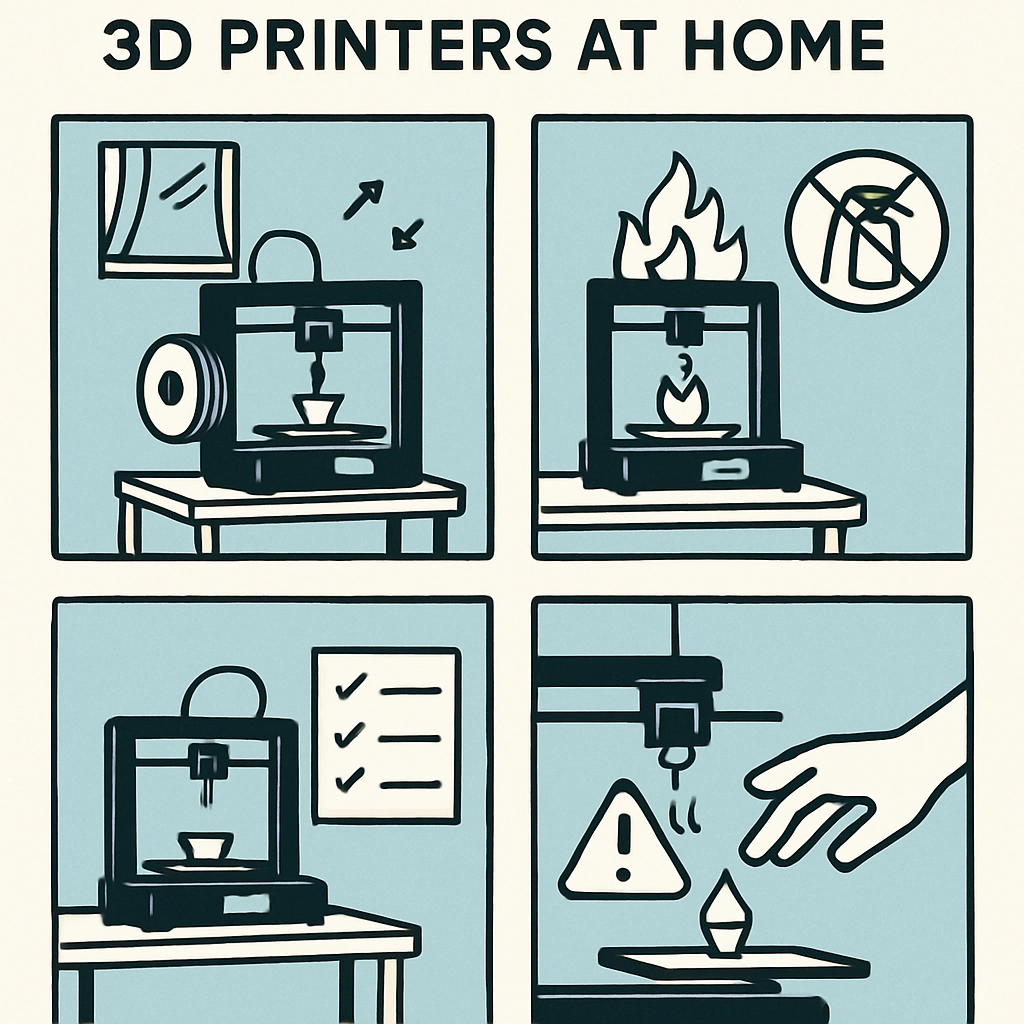
Let’s talk about fumes. While some filaments, like PLA, produce minimal fumes, others can release volatile organic compounds (VOCs) and other potentially harmful gases when heated. The best way to protect yourself is to always work in a well-ventilated area. Open a window, use a fan, or consider investing in an air purifier specifically designed to filter out 3D printing fumes. If you’re planning to do a lot of printing, consider dedicating a well-ventilated space for your 3D printer.
Keep It Clean
A clean workspace is a safe workspace. Make it a habit to clean your 3D printer regularly. Dust and debris can interfere with the printer’s functionality, potentially leading to jams or even fires. After printing, clean the print bed and remove any leftover filament. Not only does this keep your printer in tip-top shape, but it also prevents any accidents from occurring due to clogs or debris.
Stay Within Your Printing Temperature Range
Most printers will come with temperature guides for your specific filament choices. It might be tempting to crank up the temperature for a faster print (or if you’re just impatient) but doing so can lead to meltdowns—of both your printer and potential safety. Always stick to the recommended temperature settings to avoid creating excess fumes or damaging the printer.
Use Common Sense Around Moving Parts
3D printers often have moving parts that can pose a risk for pinching, crushing, or other injuries. Be mindful of this when your printer is operational. Avoid reaching into the printer while it’s running, and never attempt to retrieve prints before they are completely cool. Play it safe and let the printer finish its job before intervening, no matter how frantic you might feel watching it print the last details!
Use Protection when Required
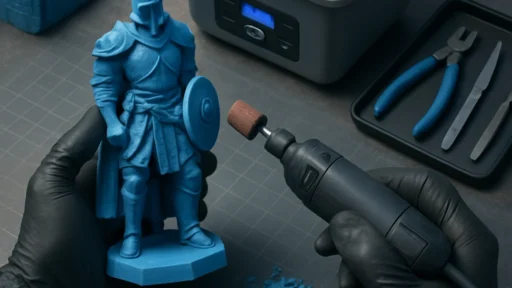
In some situations, using personal protective equipment (PPE) can help. This might include safety goggles if you’re trimming supports off your prints, gloves when handling freshly-print objects, or even a mask if you’re working in a less ventilated area with certain filaments. Being proactive about safety gear can go a long way in ensuring your health as you dive into the 3D printing hobby.
Keep Children and Pets Away
If you’re a parent or pet owner, this point can’t be emphasized enough. 3D printers can pose significant risks to small children and pets, so it’s best to establish a strict no-go zone around your printing station. Not only could they accidentally touch hot components, but they might also just get curious about your creation process!
3D printing can be a rewarding and fulfilling experience, unlocking creativity you may not have realized you had. With a little attention to safety, you can enjoy your printing adventures without the unnecessary worry of accidents or injuries. So gear up, get informed, and print safely—your next masterpiece is just a few clicks away. Happy printing!