

Eco-Friendly 3D Printing: Sustainable Filament Options
It’s no secret that 3D printing has revolutionized the way we create and design. From rapid prototyping to custom parts and intricate art pieces, it’s like having a personal factory at your fingertips. However, with the many advantages of 3D printing comes a responsibility to keep our planet in mind. This is where eco-friendly 3D printing steps in—specifically, the sustainable filament options that allow us to innovate without harming our environment. Let’s take a closer look at why it’s important and which materials could help you 3D print a brighter, greener future.
Why Eco-Friendly Filaments?
The environmental impact of traditional 3D printing materials cannot be ignored. Standard filaments like ABS and PLA, while popular, often have downsides. ABS (Acrylonitrile Butadiene Styrene) is known for its strength, but it’s derived from petroleum and can emit toxic fumes when printed. On the other hand, PLA (Polylactic Acid) is plant-based and compostable, but only under specific industrial conditions, which isn’t exactly convenient for your average user or hobbyist.
So, what can we do to reduce waste and enhance sustainability? By choosing eco-friendly filament options, we can limit our carbon footprint and contribute to a more sustainable future. But don’t worry—you don’t have to compromise on quality or performance!
Sustainable Filament Options to Consider
1. PLA (Polylactic Acid)
Let’s start with the most well-known eco-friendly option—PLA. Made from renewable resources like corn starch or sugarcane, PLA is biodegradable under the right conditions. While it may not be as durable as ABS, it holds up well for many applications. Plus, its ease of use and lower printing temperatures make it an excellent choice for beginners. Just keep in mind that while it’s compostable, you can’t just toss it in your backyard compost heap—industrial composting facilities are ideal for its breakdown.
2. PETG (Polyethylene Terephthalate Glycol)
If you’re looking for something more robust, PETG might just be your new best friend. It’s a step up from PLA in terms of strength and heat resistance, and it’s fully recyclable! PETG’s versatility makes it perfect for everything from jewelry to mechanical parts. It doesn’t emit nasty fumes while printing, making it a healthier option for both you and your workspace. Plus, as more recycling programs pop up, you’ll be seeing a lot more of this sustainable filament in use.
3. Hemp-Based Filament
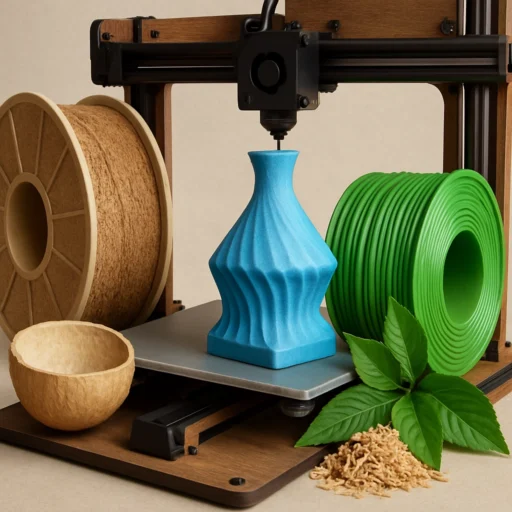
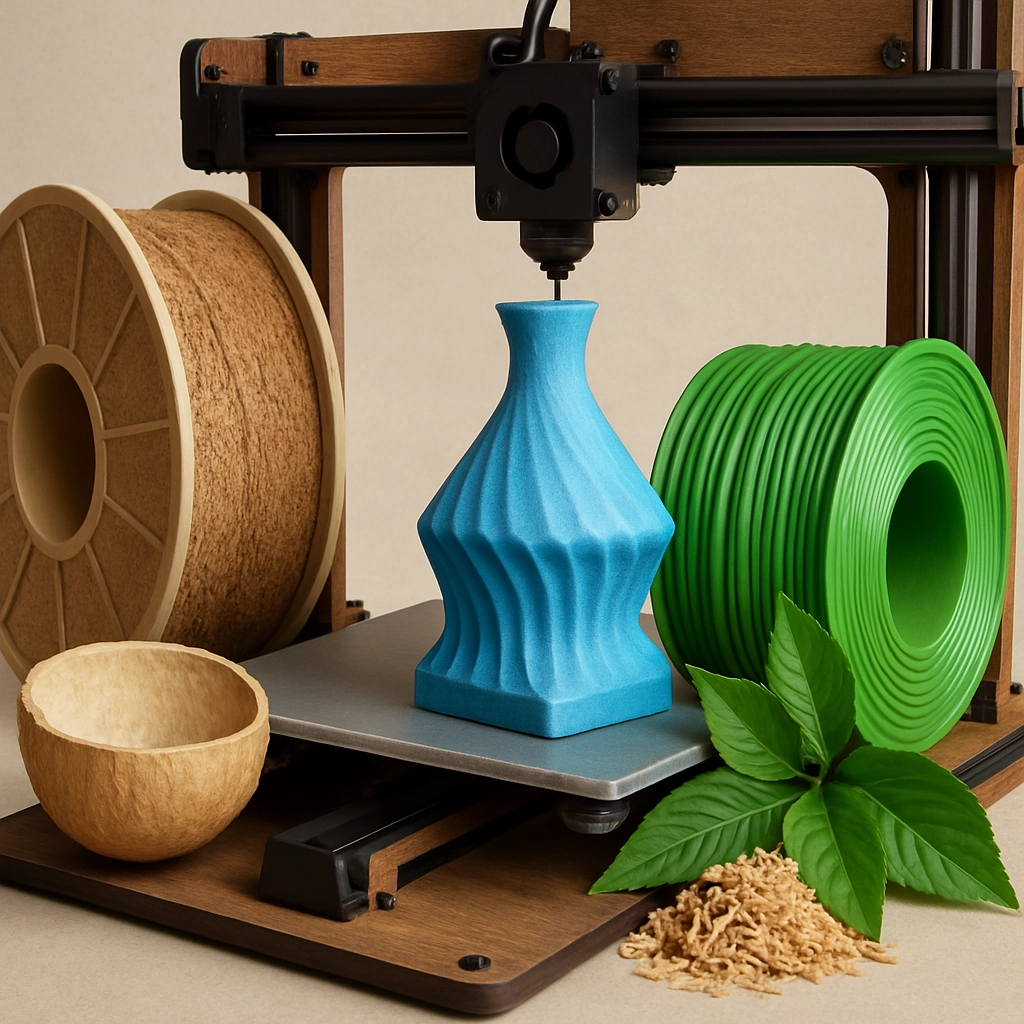
This is a game changer. Some companies have started creating filaments infused with hemp fibers. Not only does this type of filament reduce the need for plastic by incorporating organic materials, but it also brings unique texture and strength to your 3D prints. Hemp is a rapidly renewable resource, making it a stellar option for eco-minded creators.
4. Recycled Filament
For the ultimate in sustainability, consider recycled filaments made from post-consumer plastic waste. These materials are transformed into pellets and then into filament form, effectively giving a new life to items that would have otherwise ended up in a landfill. Luckily, the technology is improving, and we are starting to see a variety of hues and options in recycled filaments that perform as well as their virgin counterparts. If you want to keep plastics out of the ocean and landfill while you print, this option is a no-brainer.
5. Wood and Bamboo Filaments
For those looking to add a unique touch to their creations, wood and bamboo filaments are a fun option! These are typically a composite of PLA with real wood or bamboo fibers. The result? Beautiful prints that look and feel like wood while being biodegradable. Just remember that working with these filaments might require a few adjustments to your printer settings, but the natural aesthetic is worth it.
6. Algae-Based Filaments
You may be surprised to learn that there are filaments made from algae! These environmentally friendly options leverage the fast-growing nature of algae, which absorbs CO2 while it grows. They often come in vibrant colors and contribute to a fantastic cause: reducing carbon footprints and promoting sustainable practices.
As we continue to embrace 3D printing in various fields, the choices we make about materials can set the tone for a more sustainable future. By choosing eco-friendly filaments, we can create amazing designs while lightening our impact on the planet. With so many exciting alternatives available, it’s easier than ever to embark on a 3D printing journey that aligns with your values. Let’s print with purpose, and together we can weave sustainability into the very fabric of our creations!