

The Art of Post-Processing Your 3D Prints
If you’ve dipped your toes into the world of 3D printing, you know the thrill of taking a digital model and watching it come to life layer by layer. But the journey doesn’t end when the printer stops whirring. In fact, that’s just the beginning! Welcome to the vibrant—and sometimes overlooked—realm of post-processing. This art can transform your prints from nice to stunning, taking your creations to a whole new level. So, let’s dive into the intricacies of post-processing and explore some techniques that can elevate your 3D prints.
Why Post-Processing?
Before we jump into the nitty-gritty, let’s chat about why post-processing is so essential. For many, 3D prints straight out of the printer might not quite match the quality of vision you had in your mind. You might encounter rough surfaces, visible layer lines, or unwanted supports that mar the look of your masterpiece. Post-processing not only enhances aesthetics but can also improve your print’s durability and functionality. It’s like giving your print a little TLC—it’s all about making it the best it can be.
Cleaning Up Your Print
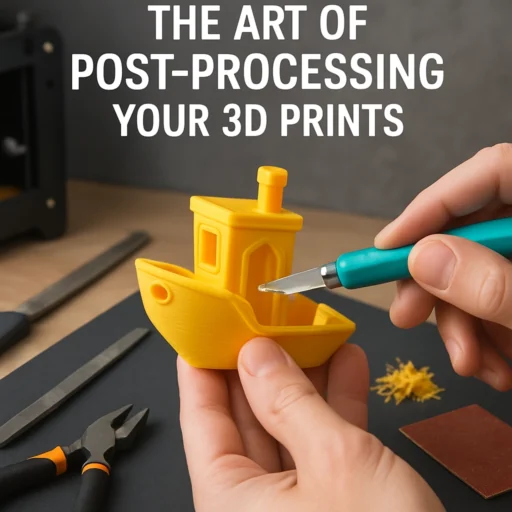
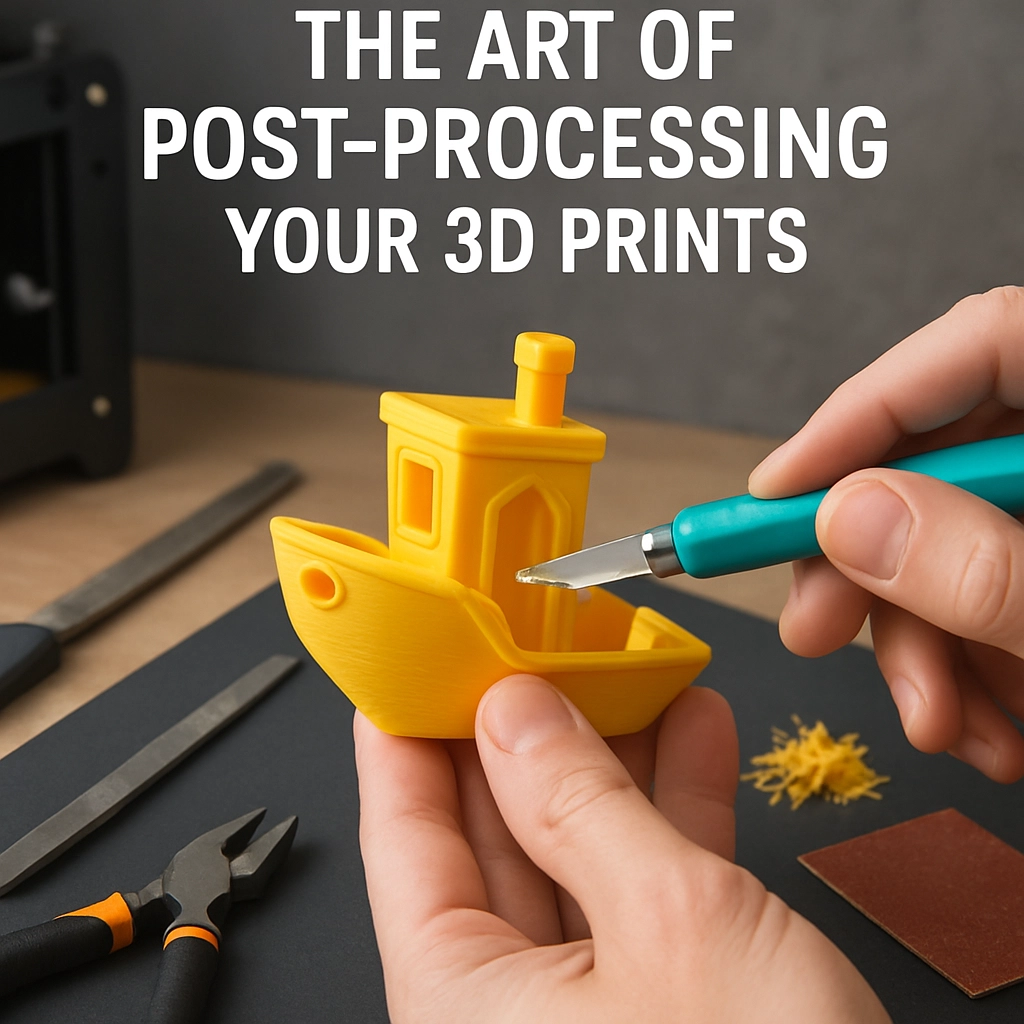
The first step in the post-processing journey is cleaning your print. Depending on the model and the printing method you used, you might have to remove supports or raft. Typically, pliers, hobby knives, and sandpaper will be your best friends here. When removing supports, be gentle to avoid damaging the print; you want to keep those beautiful details intact!
Once you’ve gotten rid of the supports, a good sanding can do wonders. Starting with a coarser grit sandpaper and gradually moving to finer grit creates a smoother surface. Just like in woodworking, don’t rush this step! Take your time and pay attention to the areas that need it most.
Smoothing Techniques
Now that your print is clean, you might ponder how to achieve that ultra-smooth finish that looks like it rolled off a factory assembly line. There are several techniques to accomplish this.
Heat Gun
One popular method involves using a heat gun to carefully melt the outermost layer of the print. The technique, however, requires precision; too much heat can ruin your creation. Keep it moving and at a distance to ensure you don’t overdo it. It’s an art balancing just enough warmth to smooth things out without melting away the intricate details.
Chemical Smoothing
For those using ABS filament, acetone is a game changer! A brief exposure to acetone vapors can create a glassy finish. Of course, you’ll want to exercise caution as acetone can be hazardous. If you opt for this route, make sure to work in a well-ventilated area and keep those vapors away from your skin.
On the other hand, if you’re leaning towards PLA, you might want to explore options like applying a thin coat of primer or sanding and then applying paint. Each material has its nuances, so it’s good to know what you’re working with.
Painting Your Prints
Once you’ve got your surface ready, it’s time to unleash your inner artist with some paint! Priming your print is crucial here, too, as it helps the paint adhere better and can enhance the overall finish. Spray paint is popular for covering large areas evenly, while brushes work wonders for adding detailed hues and effects.
Consider experimenting with different finishes—glossy, matte, or even metallic—to find out what resonates with your style. Don’t shy away from layering paints or adding washes for added depth. The beauty of 3D printing lies in the limitless options available to express your creativity.
Adding Details
If you want to take your print even further, why not add some intricate details? You could glue on extra elements like lights, decals, or additional print elements. For some projects, those little touches can turn a straightforward print into a conversation starter.
Final Thoughts
Post-processing is an exciting phase in your 3D printing journey—a chance to reflect your personality and creativity onto your work. It’s where your design truly comes to life beyond the initial print. Embrace the process, experiment with different techniques, and most importantly, enjoy the transformation of your prints. After all, in the world of 3D printing, the magic happens not just in the printer, but in your hands as you refine and finish your creation. Happy printing, and let your imagination run wild!