


How to Choose the Right Filament for Your 3D Print
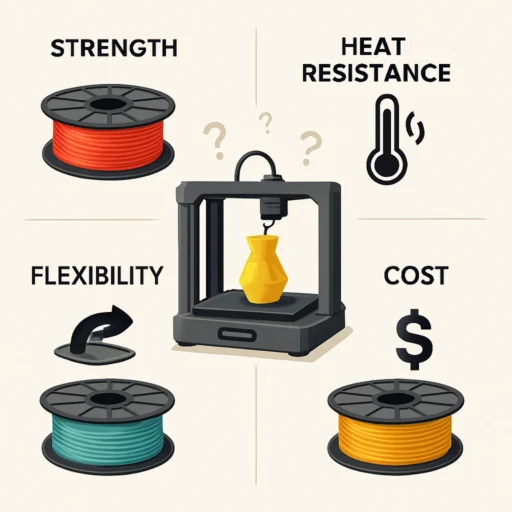
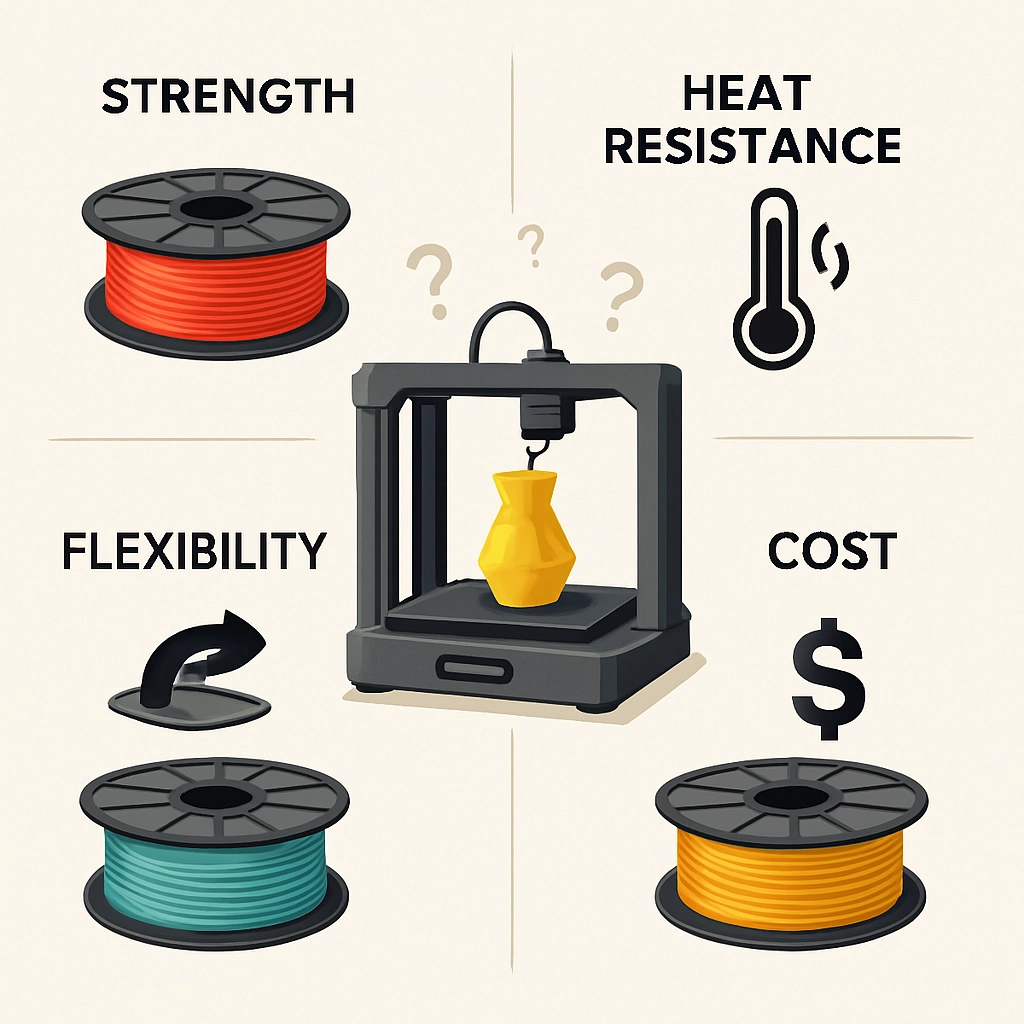
So, you’ve got your shiny new 3D printer set up, and you’re ready to dive into the world of 3D printing. But wait—what’s that? You’re feeling a bit overwhelmed when it comes to selecting the right filament. Fear not! I’m here to help you navigate the colorful and fascinating world of 3D printer filaments, ensuring you make informed choices for your projects.
Understanding Filament Types
First things first: there isn’t just one type of filament out there. In fact, there are several, each with its own unique set of properties and best-use scenarios. Here’s a quick breakdown of the most common types you’ll encounter:
PLA (Polylactic Acid)
PLA is the go-to filament for many beginners and hobbyists. It’s easy to print with, environmentally friendly (being derived from corn starch or sugarcane), and available in a spectrum of colors. PLA prints with a shiny finish and has minimal warping, making it perfect for decorative items, prototypes, and even some functional parts. However, keep in mind that PLA isn’t the best choice for high-stress applications or prolonged outdoor use since it isn’t very heat-resistant.
ABS (Acrylonitrile Butadiene Styrene)
Another popular choice, ABS is known for its strength and durability. If you’re looking for prints that can handle a bit of wear and tear, like appliance parts or toys, ABS may be your best bet. However, be prepared to deal with some of its quirks: it tends to warp and emit fumes during printing, so good ventilation and a heated bed can make all the difference.
PETG (Polyethylene Terephthalate Glycol)
PETG is a fantastic middle ground between PLA and ABS. It’s super strong, slightly flexible, and has good heat resistance. Plus, it’s more temperature-stable than PLA, which makes it a suitable choice for outdoor use. If you want a vibrant print that will last, PETG is worth considering. It’s a bit trickier to print than PLA, but with the right settings, you’ll find it’s very manageable.
TPU (Thermoplastic Polyurethane)
For those looking to print flexible parts, TPU is your buddy! This elastomeric filament is excellent for creating items like gaskets, phone cases, or any other products where flexibility is key. Just remember, printing with TPU can require some adjustment to your printing techniques. If you’ve ever had difficulty with stringing when printing, TPU might challenge your patience a bit, but the results can be well worth the effort.
Nylon
Nylon is incredibly strong and durable, making it ideal for functional parts that need to withstand stress. However, it can be a challenge to print with due to its needing a high temperature and its tendency to absorb moisture from the air—so you’re going to want to store it properly. If performance is your priority, nylon could be the right choice.
Considerations for Your Project
Now that you’re familiar with the types of filament available, it’s essential to think about your specific project. Here are some questions to help you narrow down the best option:
- What are you printing? Is it for display or functional use? The expected stress and wear can guide your choice.
- Where will it be used? If your print is going outdoors, consider resistant materials like PETG.
- What is your printer’s capability? Some filaments require specialized nozzles or temperatures that not all printers can handle.
- What kind of finish do you want? Different filaments have varied finishes—some, like PLA, shine beautifully, whereas others may require post-processing.
Experiment and Have Fun!
Choosing the right filament can sometimes feel like a daunting task, but don’t let it get you down! The best way to find out what works for you is through a little experimentation. Start with basic projects and gradually dive into more complex filaments as you get more comfortable with your printer.
So, grab that filament and unleash your creativity! Whether you’re creating a fantastic decorative piece, a functional tool, or exploring the realms of flexible prints, the world of 3D printing is full of endless possibilities. As you embark on your printing journey, remember that every filament has its quirks—embrace the learning process, and you’ll soon find the ideal materials for your unique creations. Happy printing!