

3D Printing Failures: Lessons Learned from Common Mistakes
3D printing has revolutionized how we think about manufacturing, design, and even art. With just a few clicks, you can turn a digital model into a tangible object. But, as countless enthusiasts and professionals have discovered, the path to creating a perfect print is often littered with hiccups, quirks, and outright failures. So, if you’re looking to dive into the world of 3D printing, it’s a good idea to learn from those who’ve come before you. Let’s explore some common mistakes and the valuable lessons we can glean from these often frustrating experiences.
The Classic Failed Print: Warping
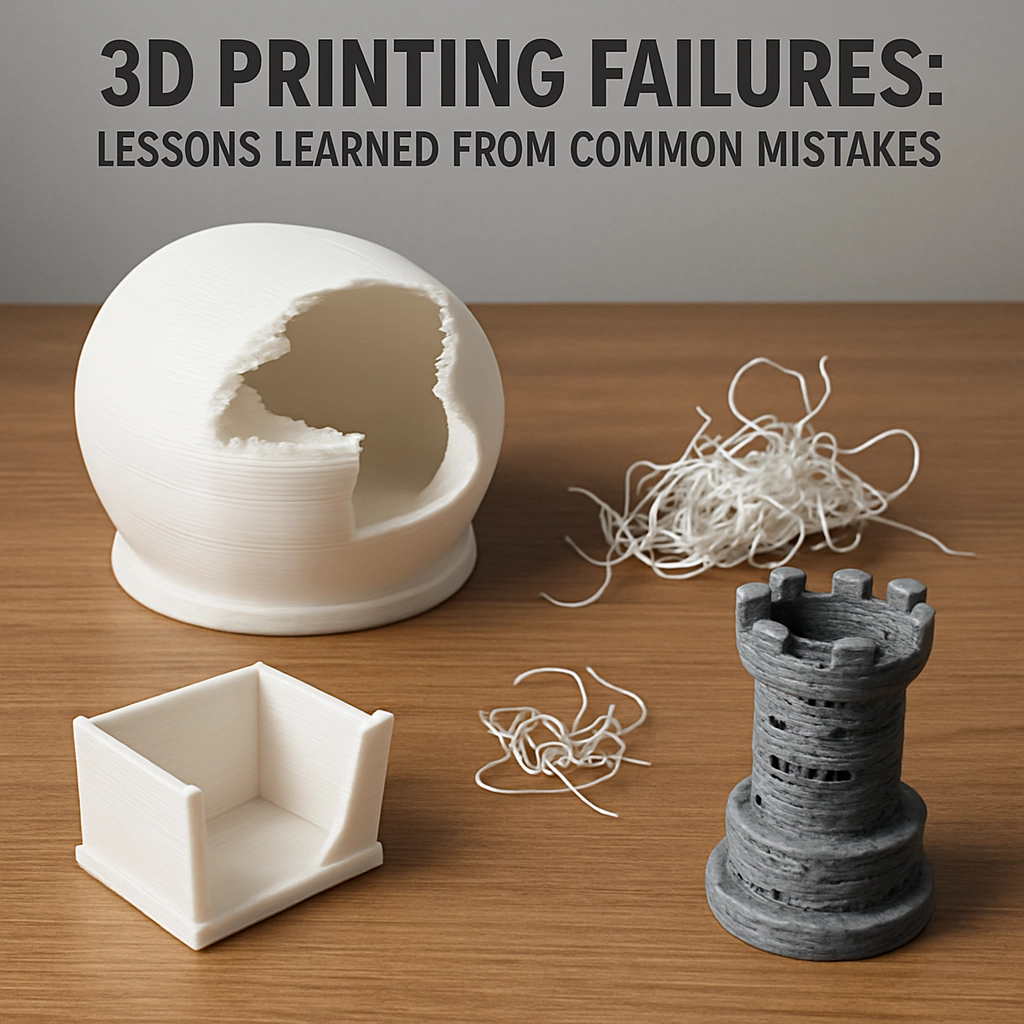
One of the most notorious culprits in the world of 3D printing is warping. This occurs when your print doesn’t adhere properly to the build plate or when the material cools unevenly during the printing process, causing it to lift or bend. The result? A print that looks more like an abstract sculpture than the intended design.
Lesson: Always ensure your print bed is clean and leveled before starting a job. For materials prone to warping, such as ABS, consider using a heated bed or applying an adhesive like glue stick or painter’s tape to improve adhesion. There are also special materials designed to combat warping—so don’t shy away from experimenting!
Layer Separation: When Prints Take a Dive
Another common challenge is layer separation, where layers of the print start to separate, leading to structural weaknesses and ultimately, a failed model. This issue often arises from inadequate temperature settings, poor filament quality, or inappropriate printing speeds.
Lesson: Keep a close eye on your printer settings. Make sure your nozzle temperature matches the filament specifications, and don’t be afraid to adjust your print speed for better layer adhesion. Additionally, investing in high-quality filament can save you a lot of heartache in the long run.
Under-extrusion: The Skinny Print Syndrome
Imagine pulling your masterpiece off the print bed only to find it’s more of a shadow of what you envisioned. That’s the heartbreak of under-extrusion, where the printer fails to deliver enough filament. This can lead to weak spots, gaps, and an overall lack of detail.
Lesson: Regular maintenance on your 3D printer is essential. Clogged nozzles or worn-out extruder gears can lead to under-extrusion, so make sure to clean and calibrate your printer regularly. If you’re using a new filament type, do a few test prints to determine the ideal settings before committing to a large project.
Over-extrusion: A Filament Fiasco
On the flip side, over-extrusion occurs when too much filament is deposited during printing. This can result in blobs, stringing, and messy details. It’s like the printer just can’t help itself and goes a little overboard.
Lesson: Finding the right balance is key. Calibrating your extruder steps and testing flow rates can help eradicate the issue of over-extrusion. Keep a spare roll of filament handy for practice runs—test prints are your friend!
The Silent Killer: Filament Moisture
If your prints are coming out with a grainy texture or pockmarks, moisture might be to blame. Filaments like PLA, ABS, and Nylon are particularly sensitive to humidity, which can make them swell or bubble during printing.
Lesson: Store your filaments properly in a dry area or consider using desiccants to absorb any moisture. If you suspect your filament has absorbed moisture, a quick drying session in an oven can do wonders (though be sure to check for specific temperature guidelines first).
What We Take Away
While 3D printing can be a rollercoaster of triumphs and failures, every misstep teaches us something valuable. Each snag or hiccup provides insights into both the technology itself and our own capabilities as creators. Embracing these challenges not only keeps our projects moving forward but fosters a greater understanding of this exciting craft. Remember, even the most experienced 3D printing guru has faced their share of failures—it’s all part of the journey.
So the next time your print takes a nosedive, don’t get discouraged. Dust yourself off, learn from it, and dive back into the world of 3D printing with newfound wisdom. There’s magic in creating something from scratch; let every failure be a stepping stone toward your next triumphant success!