
The Rise of 3D Printed Fashion: Blending Technology and Art
In recent years, the fashion world has encountered a revolution unlike any other—one that harmonizes the realms of technology and art. Enter 3D printed fashion. What was once considered a futuristic concept is now making waves on runways and beyond, pushing the boundaries of creativity and sustainability in ways we never imagined.
A New Era of Design
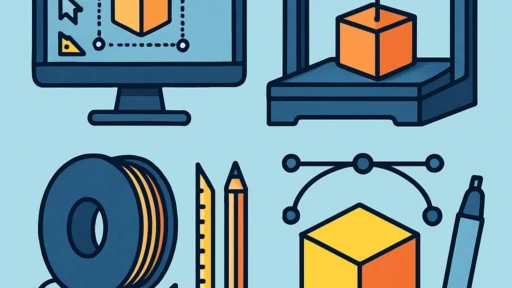
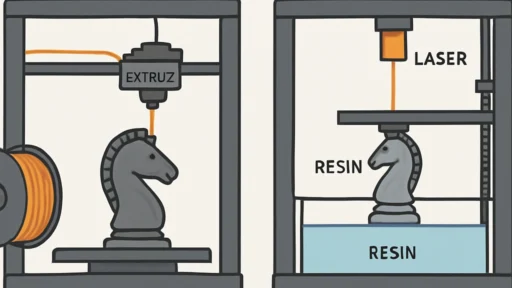
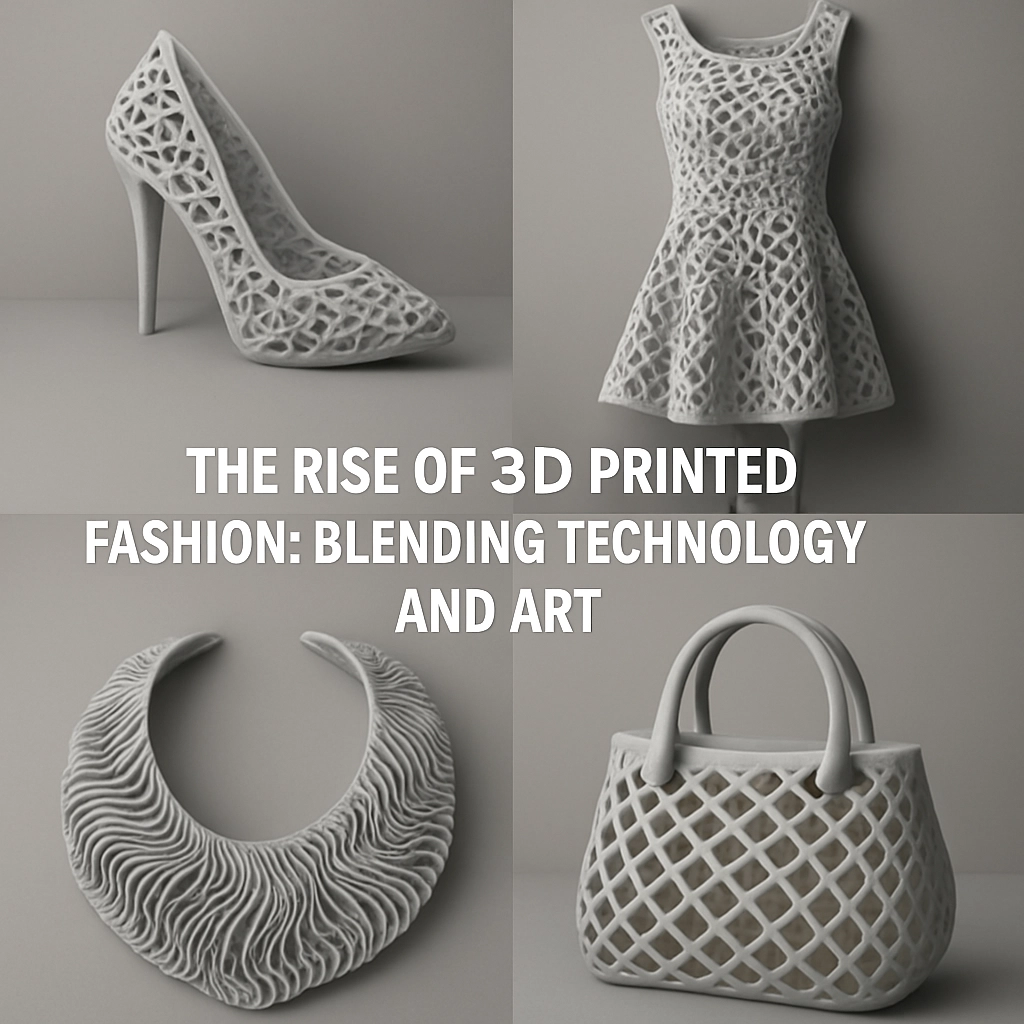
3D printing, or additive manufacturing, refers to creating three-dimensional objects from a digital file. This innovative technique is capturing the imaginations of designers everywhere. With the ability to produce intricate and customizable pieces, fashion designers are now able to break free from traditional limitations. Fabrics that were once thought too intricate or impossible to produce can now be made with a few clicks on a computer.
Take, for instance, the daring designs of Iris van Herpen, a pioneer in this field who has been working with 3D printing for over a decade. Her collections transcend the boundaries of fashion, often blending elements of architecture and biology into wearable art. Van Herpen’s work challenges conventional notions of how clothing can be created and experienced, often leaving audiences in awe.
The Unmatched Customization
One of the most exciting aspects of 3D printed fashion is the potential for customization. Imagine being able to design a garment that perfectly fits your body without the hassle of alterations. With advancements in technology, this dream is becoming a reality. Brands like N21 and The Fabricant are already exploring the possibilities of personalized clothing, allowing customers to adjust styles and sizes to their preference.
In a world where individuality is cherished, this form of fashion empowers consumers. Imagine owning a one-of-a-kind piece that reflects your personality—this kind of personal touch is something mass-produced items can hardly replicate. It’s not just about aesthetics; it’s about creating a connection between the wearer and the garment.
Sustainability Meets Innovation
Another crucial factor driving the rise of 3D printed fashion is sustainability. Traditional garment production consumes massive resources and results in significant waste, as unsold items often end up in landfills. 3D printing, on the other hand, creates items layer by layer, significantly reducing waste since materials can be reclaimed and reused. For environmentally conscious consumers, this shift is monumental.
Moreover, many innovative designers are integrating biodegradable materials into their creations. Brands like DressX are focused on cutting down on textile waste, allowing customers to wear digital garments without the environmental footprint of traditional manufacturing. By embracing this technology, the fashion industry can inch closer to a more eco-friendly model, and that’s something we can all rally behind.
Challenges Ahead
While the rise of 3D printed fashion is certainly exciting, it doesn’t come without its challenges. As with any new technology, there are hurdles to overcome. One of the main obstacles is the initial cost of 3D printing technology, which can be prohibitive for emerging designers and small brands. While prices have gradually decreased, the investment required can still be substantial.
Furthermore, there’s also the issue of scalability. Producing smaller runs of unique items can be efficient for niche markets but can pose difficulties when attempting to cater to mass audiences. Striking a balance between artistic expression and practical production is a delicate dance that many designers are still figuring out.
The Future of Fashion
As we look ahead, the merging of 3D printing with fashion seems poised to grow even more dynamic. New materials are being developed, new technologies are emerging, and the possibilities seem endless. More than just a trend, this integration could reshape the entire industry, leading us into a fresh chapter of creativity that blends artistry with cutting-edge technology.
So what does this mean for the future of fashion? Perhaps we are on the brink of an era where clothes not only serve functional purposes but also become canvases for self-expression, innovation, and sustainability. As the lines between technology and creativity continue to blur, one thing is for sure: 3D printed fashion is here to stay, and we can’t wait to see where it takes us next.
Whether you’re a fashionista or just someone who appreciates art, this evolution presents a thrilling landscape to explore—one where your imagination can run wild, and personal style knows no bounds.